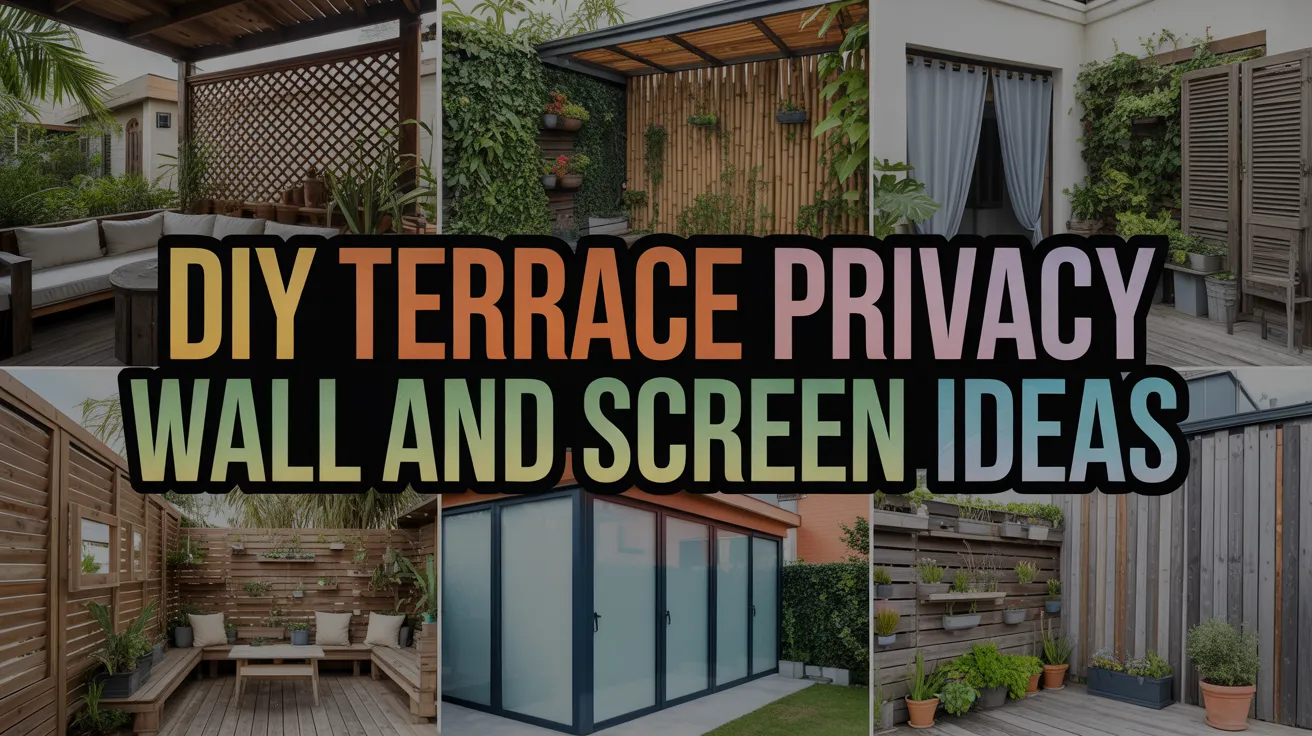
8 DIY Terrace Privacy Wall and Screen Ideas to Enhance Your Outdoor Space
Many people want to create a private space on their terrace to enjoy time outdoors without being seen by neighbors or passersby. Adding some kind of privacy wall or screen can help block unwanted views and make the area more comfortable.

DIY terrace privacy wall and screens offer practical and affordable ways to create personal outdoor space while enhancing the look of the terrace. These projects can fit different styles, budgets, and skill levels, making it easy for anyone to improve their terrace privacy.
1. Wooden Lattice Panels with Climbing Vines
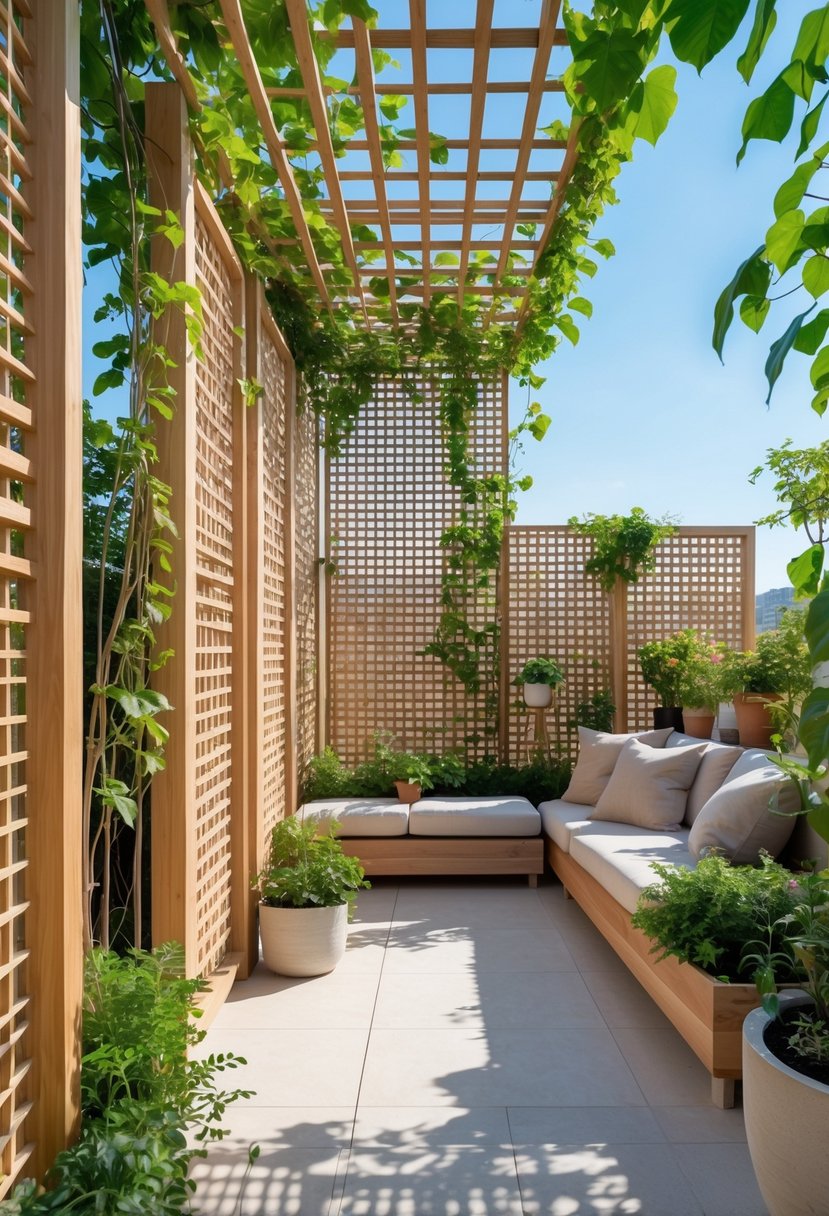
Wooden lattice panels are a simple and effective way to create privacy on a terrace. They allow air and light to pass through while providing a structure for climbing plants.
Choosing vines like jasmine, clematis, or morning glories adds greenery and natural beauty. Over time, the plants will cover the lattice, increasing privacy and softening the look of the space.
These panels can be freestanding or attached to existing walls or posts. They are easy to install and can fit many terrace sizes and styles.
2. Bamboo Roll-Up Privacy Screen
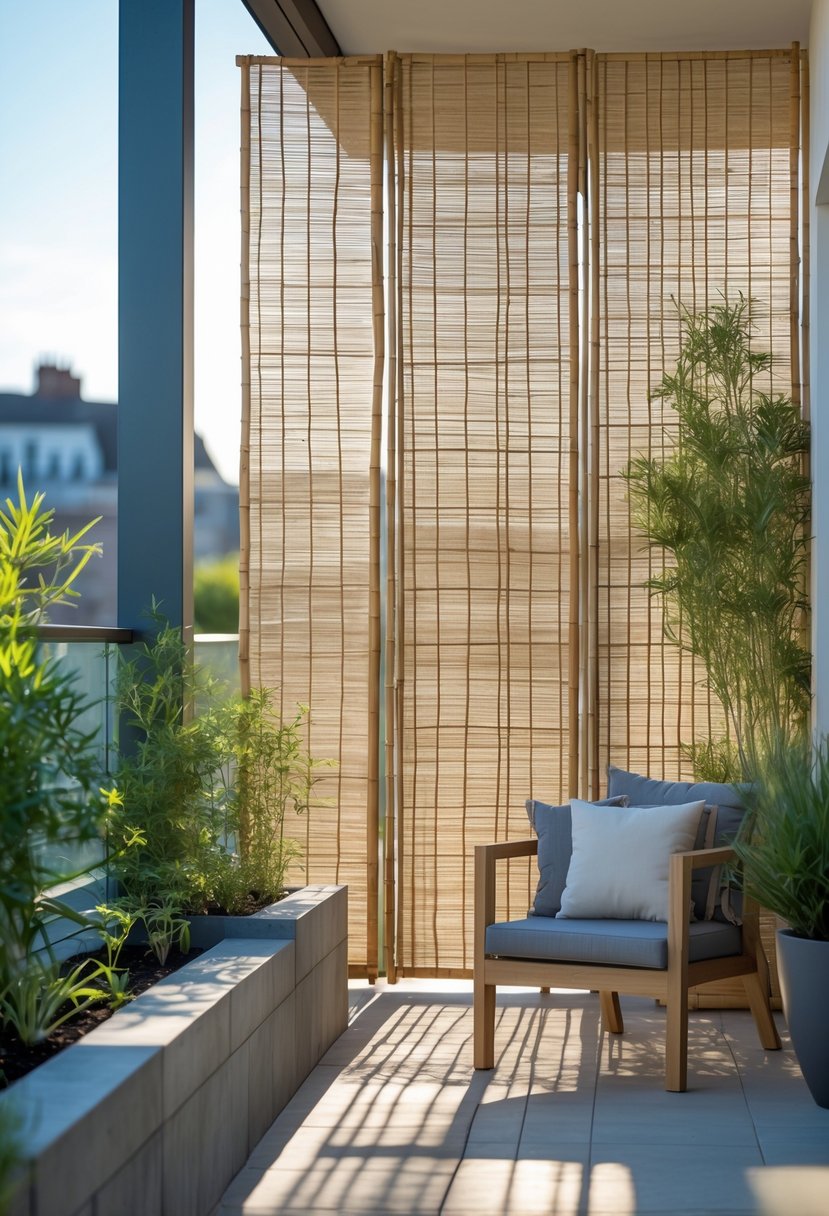
A bamboo roll-up privacy screen is a simple and versatile way to add privacy to a terrace. It can be easily mounted on railings or walls and rolled up when not in use.
The screen provides natural coverage without blocking sunlight completely. It is lightweight but sturdy enough to resist light wind.
This option is affordable and eco-friendly. It requires minimal installation and can be customized by cutting to the needed size.
3. Corrugated Metal Privacy Wall
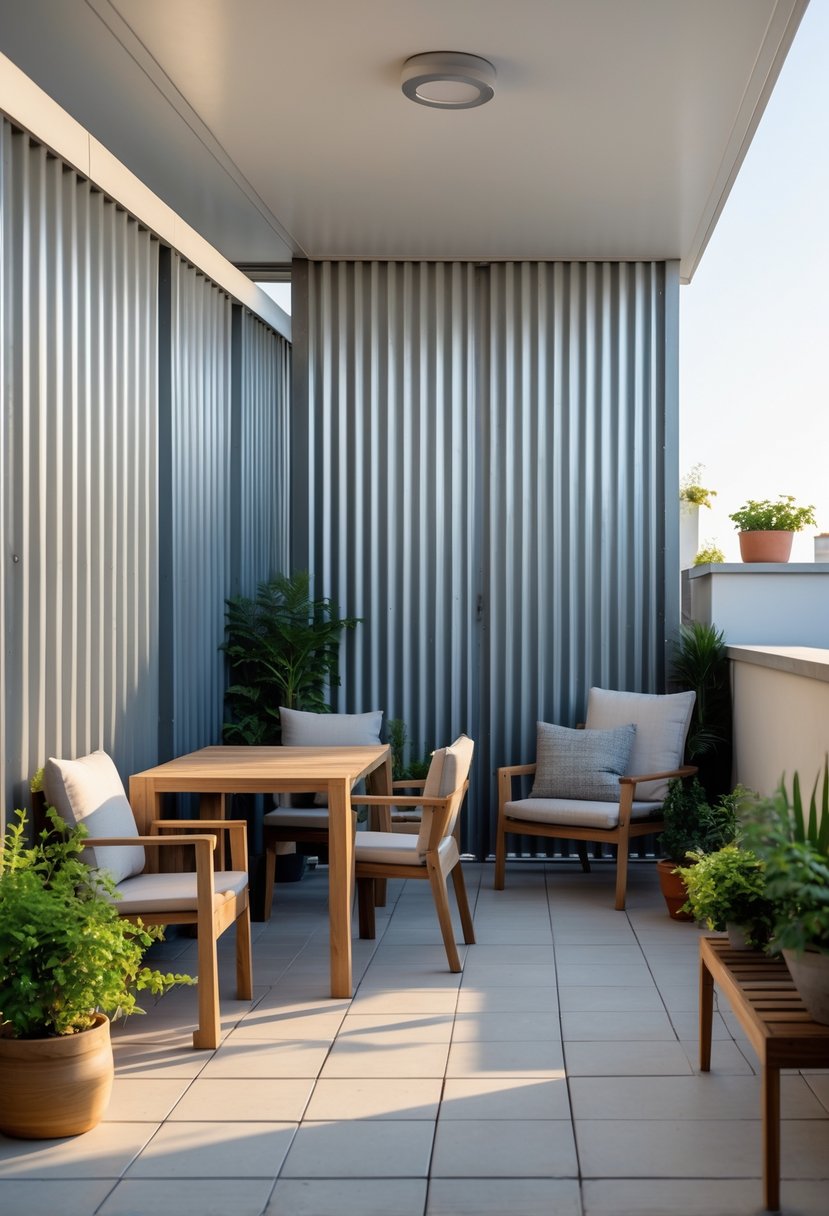
A corrugated metal privacy wall offers a modern, durable option for terraces. It is weather-resistant and provides full privacy from neighbors or passersby.
The materials are affordable and relatively easy to install with the right tools. Metal sheets can be paired with wooden posts to add a rustic touch.
The shiny finish of the metal can also help reflect light, brightening the outdoor space in the evenings. This type of wall suits both simple and contemporary styles.
4. Outdoor Curtain Panels on Tension Rods
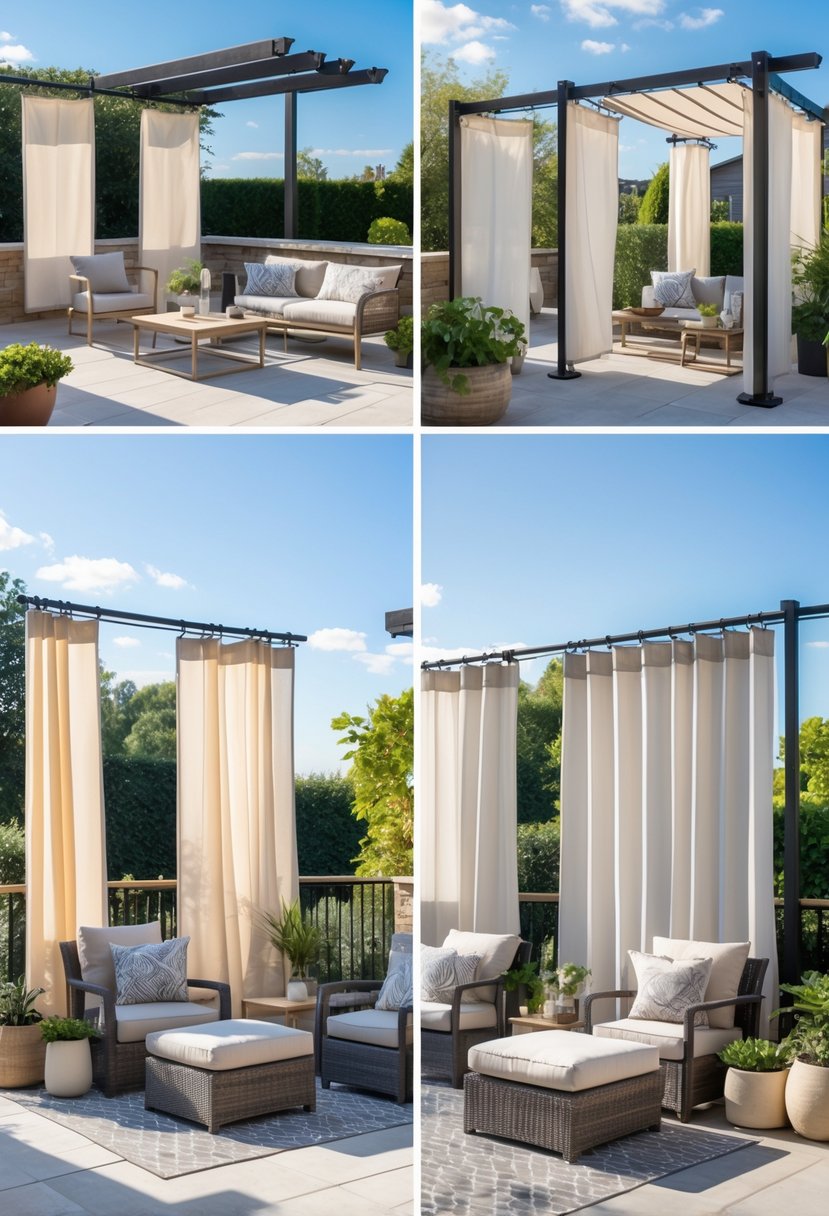
Outdoor curtain panels on tension rods create a simple privacy wall for terraces. They are easy to install without drilling or special tools.
Tension rods fit between two surfaces and hold up curtains that block views and provide shade.
This setup is lightweight and can be moved or removed as needed. Using weather-resistant fabric helps the curtains last longer outside.
5. Recycled Pallet Wood Privacy Screen
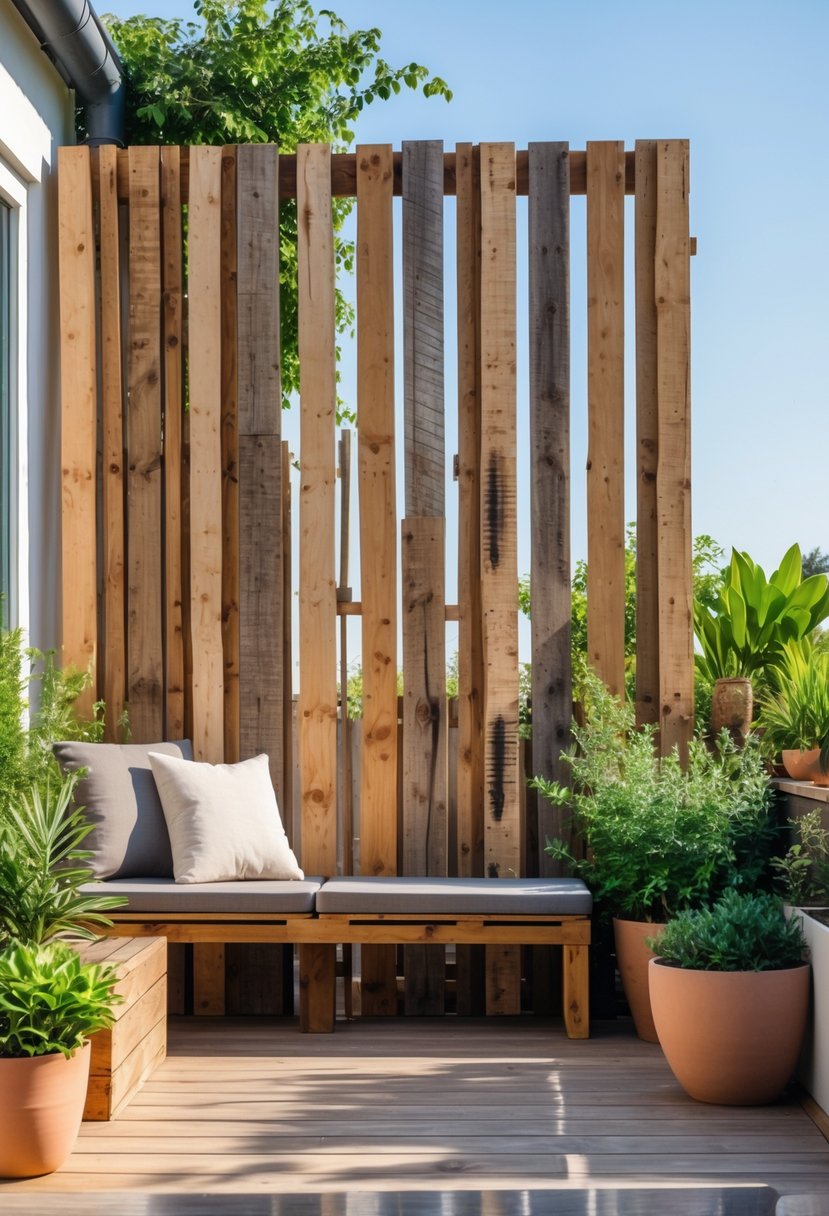
A privacy screen made from recycled pallet wood is an affordable and eco-friendly option. It uses old pallets, which can often be found for free or at a low cost.
The wood can be arranged vertically or horizontally to match the terrace style. Pallet screens offer both privacy and a rustic look without much effort.
Adding a coat of paint or sealant helps protect the wood from weather damage. This DIY project suits those looking for a simple, sustainable way to create privacy outdoors.
6. Freestanding Planter Box Divider
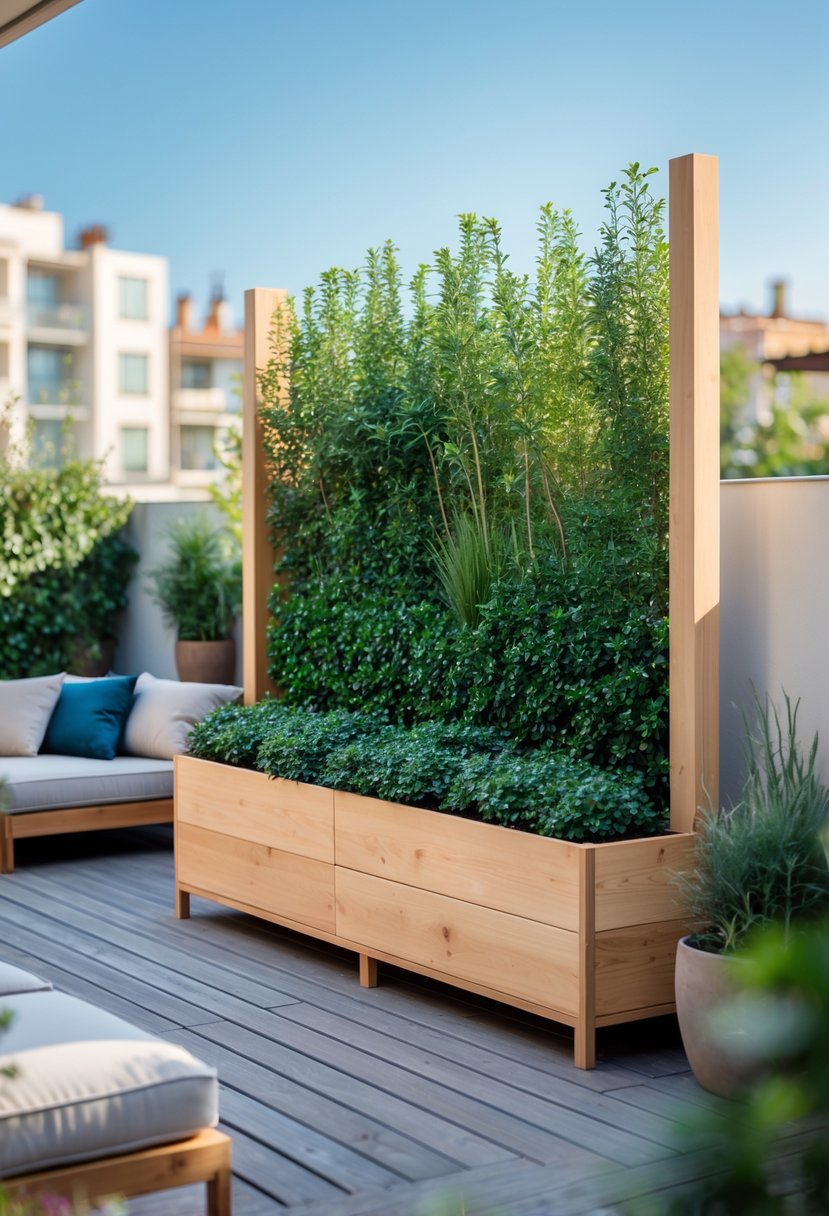
A freestanding planter box divider is a simple way to create privacy on a terrace. It does not need digging or cement, making it easy to move or adjust.
These dividers combine planters with a screen or lattice on top. Plants grow through the screen, adding greenery and blocking views.
This option works well for renters or anyone who wants a no-permanent change solution. It adds style while providing a barrier between spaces.
7. Horizontal Cedar Slat Wall

A horizontal cedar slat wall offers a simple, modern look for a terrace. It uses Western Red Cedar, known for its durability and natural resistance to weather. The wood’s color and grain add warmth while providing privacy without completely blocking light.
Building this wall involves spacing the slats evenly across a sturdy frame. It is important to secure the posts well to prevent warping over time. This design fits well in outdoor spaces where style and function are both important.
8. Woven Willow Branch Fence
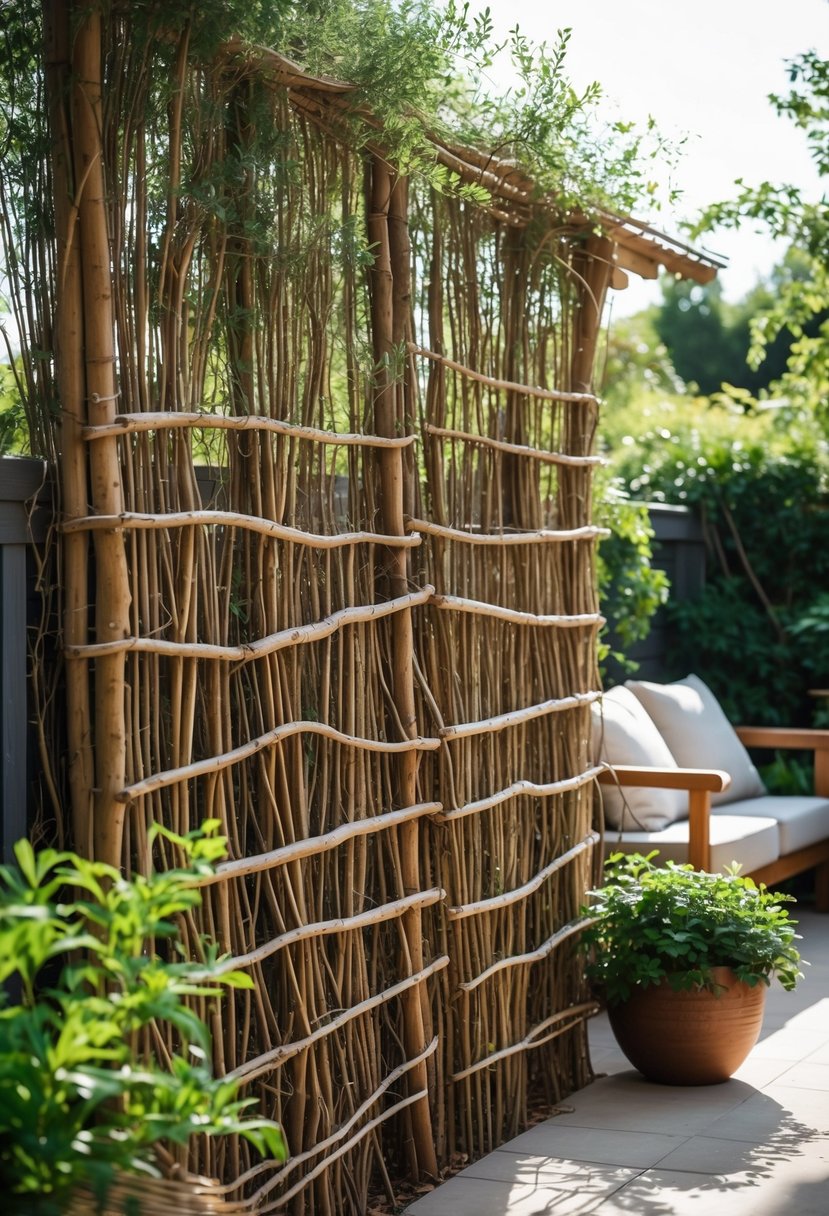
A woven willow branch fence uses flexible willow rods to create a natural privacy screen. The branches are woven tightly around vertical stakes to form a solid barrier.
This type of fence blends well with garden landscapes and offers moderate privacy. It is affordable and can be built using freshly cut or dried willow branches. The fence may also grow thicker if green willow branches are used.
Installation Tips for Terrace Privacy Screens
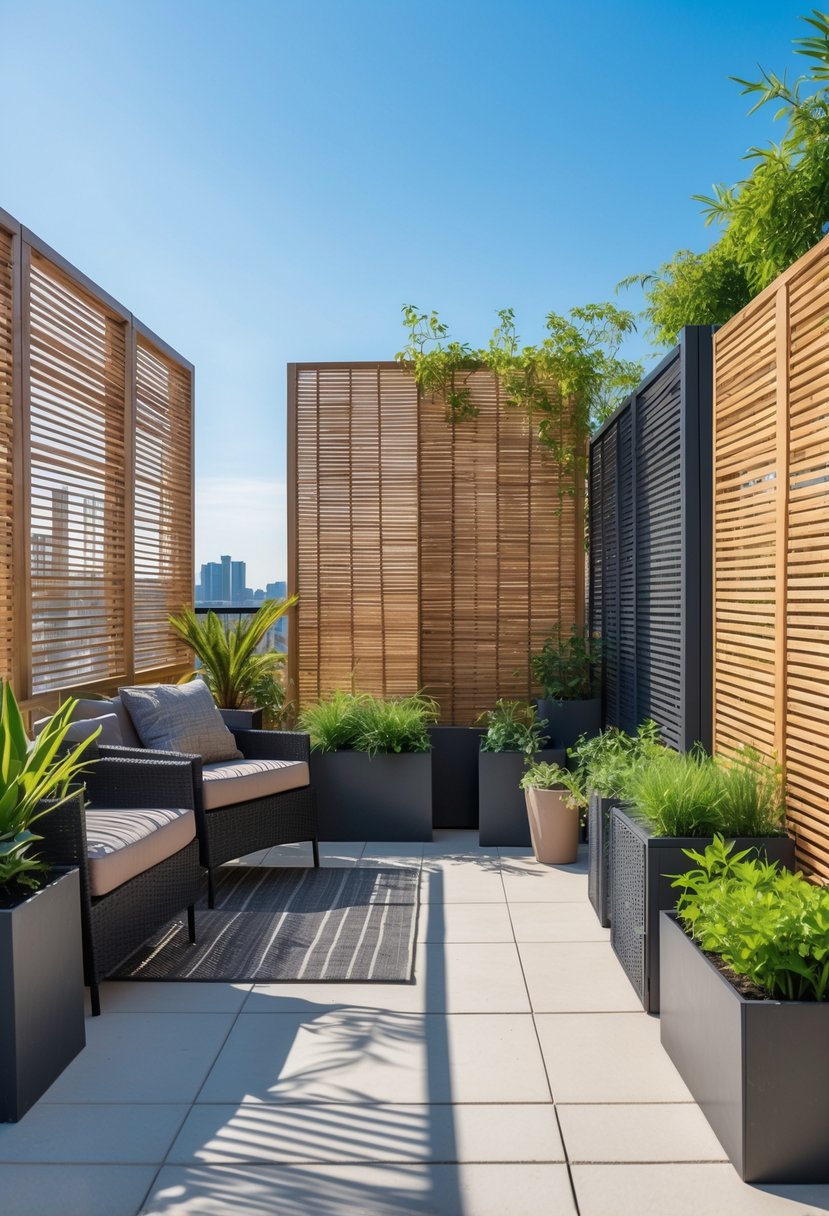
Proper installation keeps terrace privacy screens stable and safe. It involves careful planning for wind conditions, using the right tools safely, and following maintenance steps to ensure durability.
Securing Structures in Windy Conditions
In windy areas, anchoring privacy screens firmly is critical. They should be attached to strong supports like wall brackets or heavy bases to prevent tipping. Using heavy-duty screws or concrete anchors can improve hold strength.
For freestanding screens, weighted bases filled with sand or gravel add stability. Wind-resistant materials such as metal or treated wood withstand harsh weather better. Avoid large flat surfaces facing the wind, which act as sails and increase pressure.
Screens with gaps or lattice designs allow wind to pass through, reducing strain. Checking stability regularly after storms or high winds helps spot any needed repairs early.
Tools and Safety Precautions
Using the correct tools ensures a smooth installation. Common essentials include a power drill, level, tape measure, screwdriver, and safety gear like gloves and eye protection.
Before starting, it’s important to read product instructions and check the terrace surface for damage. Measuring multiple times avoids mistakes in placement.
When drilling or securing panels, wearing eye protection prevents injuries from flying debris. Gloves protect hands from splinters or sharp edges. Working with a partner can help when handling large or heavy screens.
Power tools should be used with care, following manufacturer guidelines to avoid accidents. Ensuring that cords and tools are organized reduces tripping risks.
Maintenance Best Practices
Regular maintenance extends the life of terrace privacy screens. Inspect fasteners and panels at least twice a year to tighten any loose screws or fix damaged parts.
Cleaning wooden screens with mild soap and water prevents dirt buildup. Treating wood annually with sealant or paint protects it from moisture and sun damage.
Metal screens benefit from rust-proof paint or coatings. Fabric screens should be removed and washed according to instructions.
In winter or storm seasons, consider temporarily removing lightweight screens or securing them more tightly to minimize damage. Keeping plants trimmed near screens also helps avoid unnecessary pressure or scratches.
Conclusion
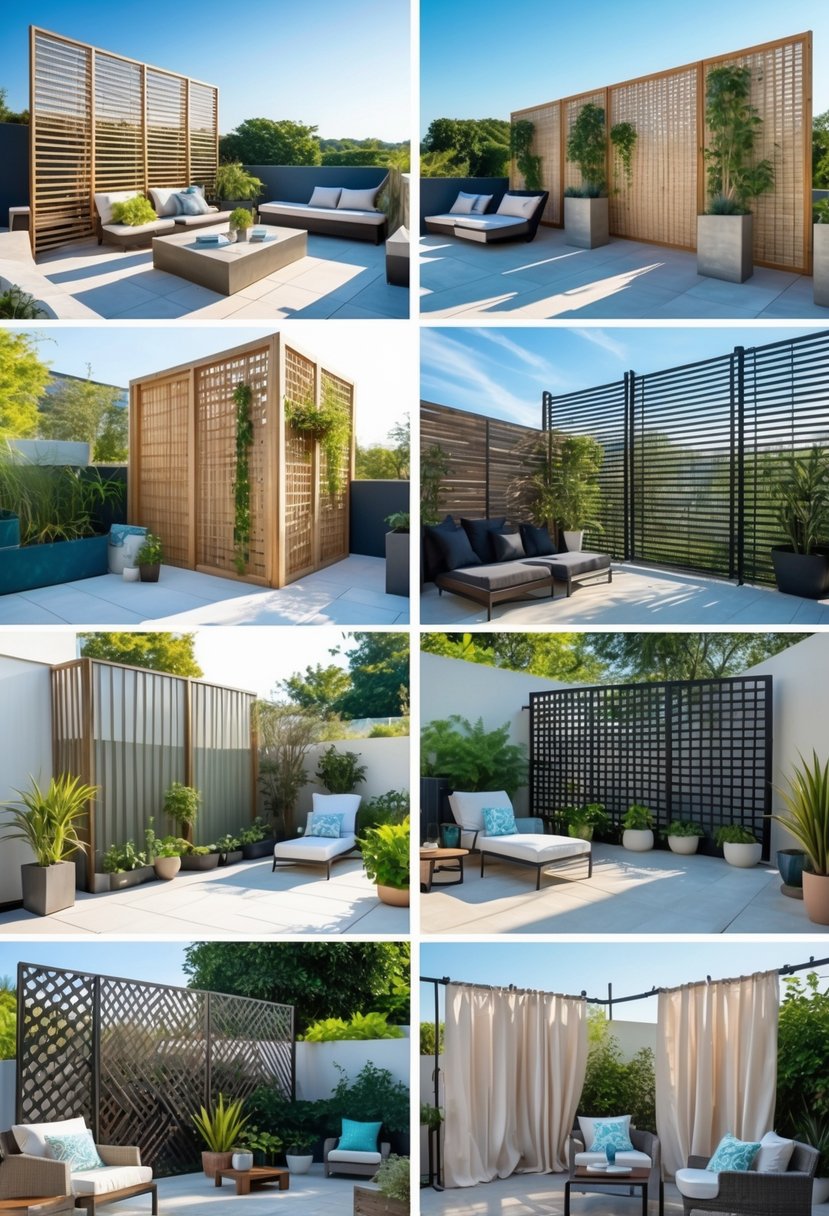
These DIY terrace privacy walls and screens offer practical ways to create a more private and comfortable outdoor space. Each idea can be adapted to fit different styles and budgets.
Materials like wood, fabric, and plants provide a balance of function and style. Simple projects, such as fabric panels or wooden slats, can be completed quickly with basic tools.
More complex options, such as lattice screens or vertical gardens, add visual interest while blocking unwanted views. People can also mix and match ideas to suit their specific needs.
Using DIY methods saves money and allows for customization. It also helps homeowners control the size, shape, and design of their privacy screens.
A well-chosen privacy screen improves outdoor enjoyment by reducing noise and visual distractions. It makes terraces feel more like a personal retreat.
When choosing a project, factors like local climate, space size, and maintenance should be considered. This ensures the screen lasts longer and stays effective.
In short, these ideas provide functional and stylish solutions for anyone looking to add privacy to a terrace. They encourage creativity and offer a range of options from simple to elaborate.