16 Outdoor Living Spaces Ideas to Transform Your Backyard Instantly
Outdoor living spaces expand the usable area of a home and create a place to relax and entertain. These spaces can be tailored to fit different needs and styles, making them a valuable addition for many homeowners.
The key to an effective outdoor living space is designing it to blend comfort, function, and style. A well-planned area offers a natural extension of indoor living, enhancing the home’s overall enjoyment throughout the year.
1. Sunken sectional seating area
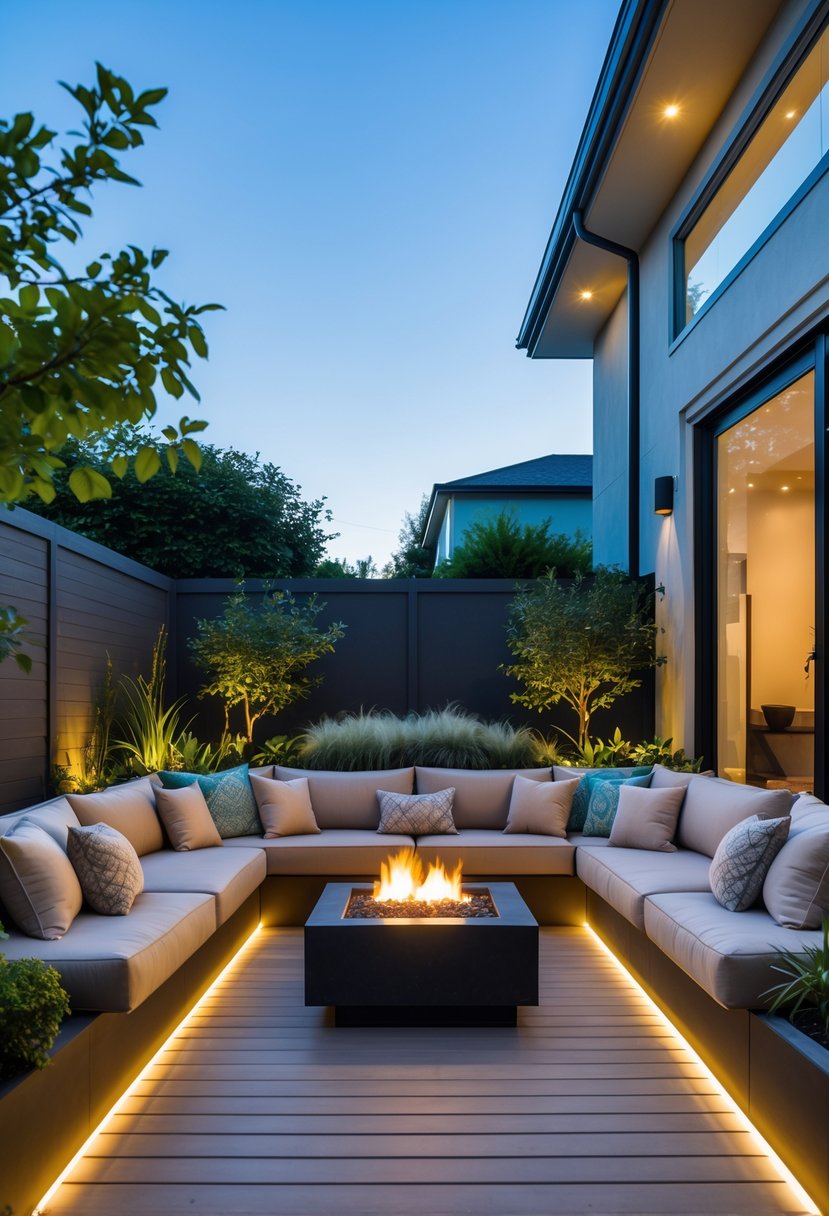
A sunken sectional seating area is a space set lower than the surrounding ground, usually by 12 to 24 inches. This design creates a cozy and defined spot for relaxing or entertaining guests.
The lowered space helps form an intimate atmosphere. It can be combined with cushions and weatherproof materials for comfort.
Sunken seating also keeps views clear and can fit well with surrounding outdoor features like patios or pools. It adds both style and function to outdoor living spaces.
2. Outdoor fireplace with stone surround
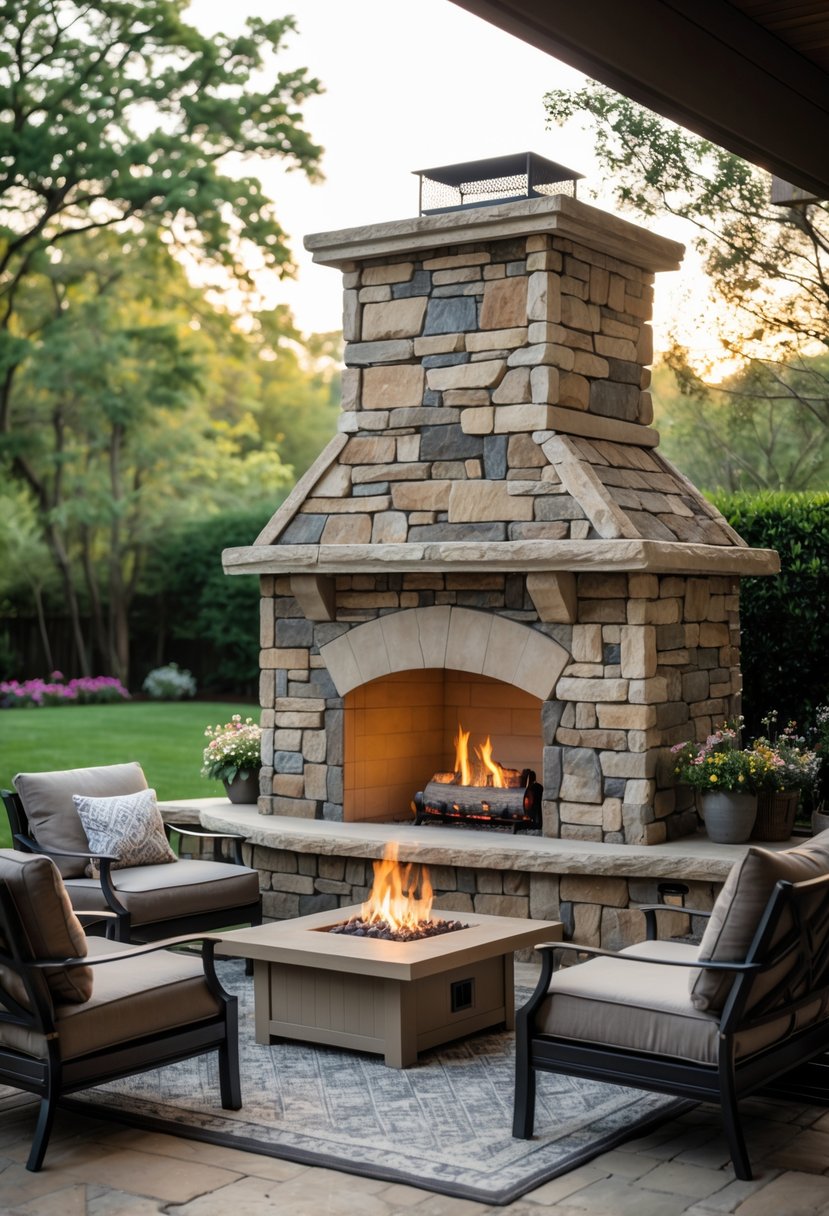
An outdoor fireplace with a stone surround adds both warmth and style to any backyard. Stone offers a natural, durable material that can fit rustic or modern designs.
It creates a strong focal point for gatherings and extends the use of outdoor space into cooler evenings. Different stone types, like stacked stone or fieldstone, allow for varied textures and colors.
This feature helps make outdoor living areas feel inviting and comfortable year-round.
3. String lighting overhead
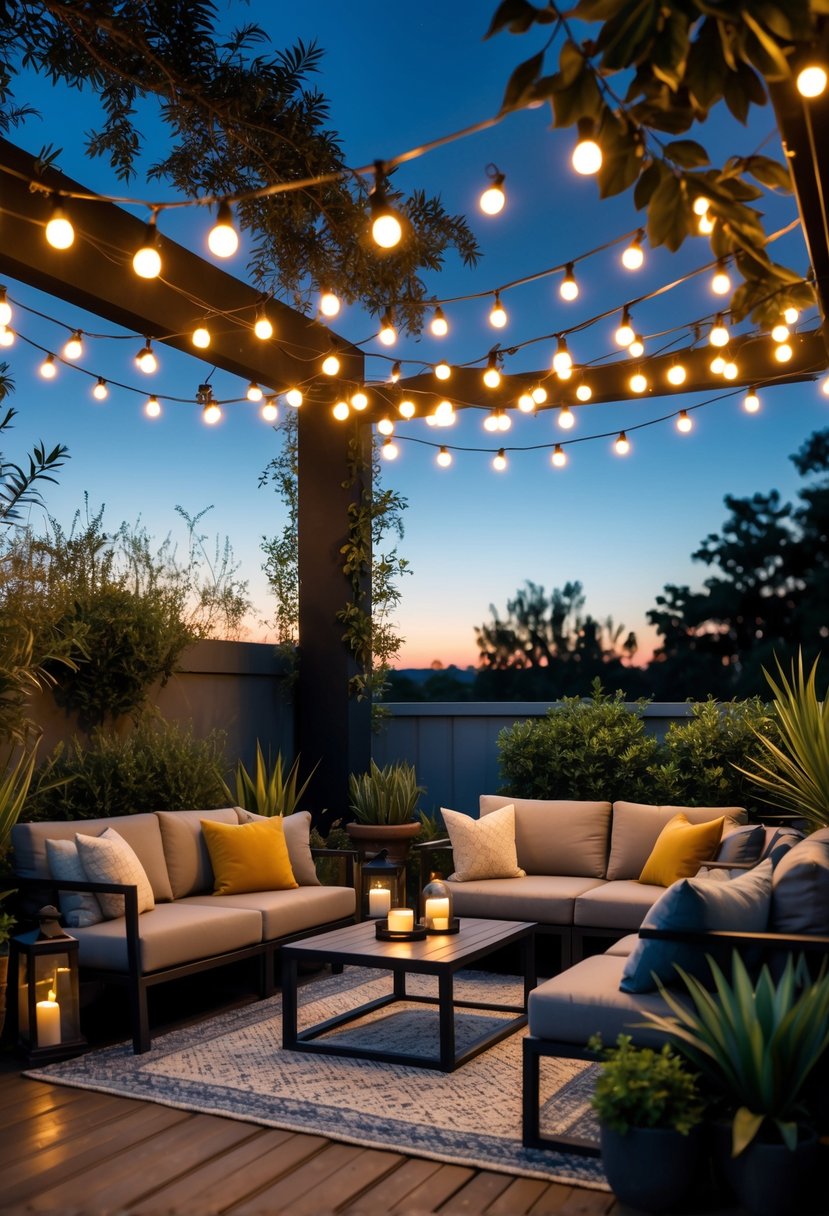
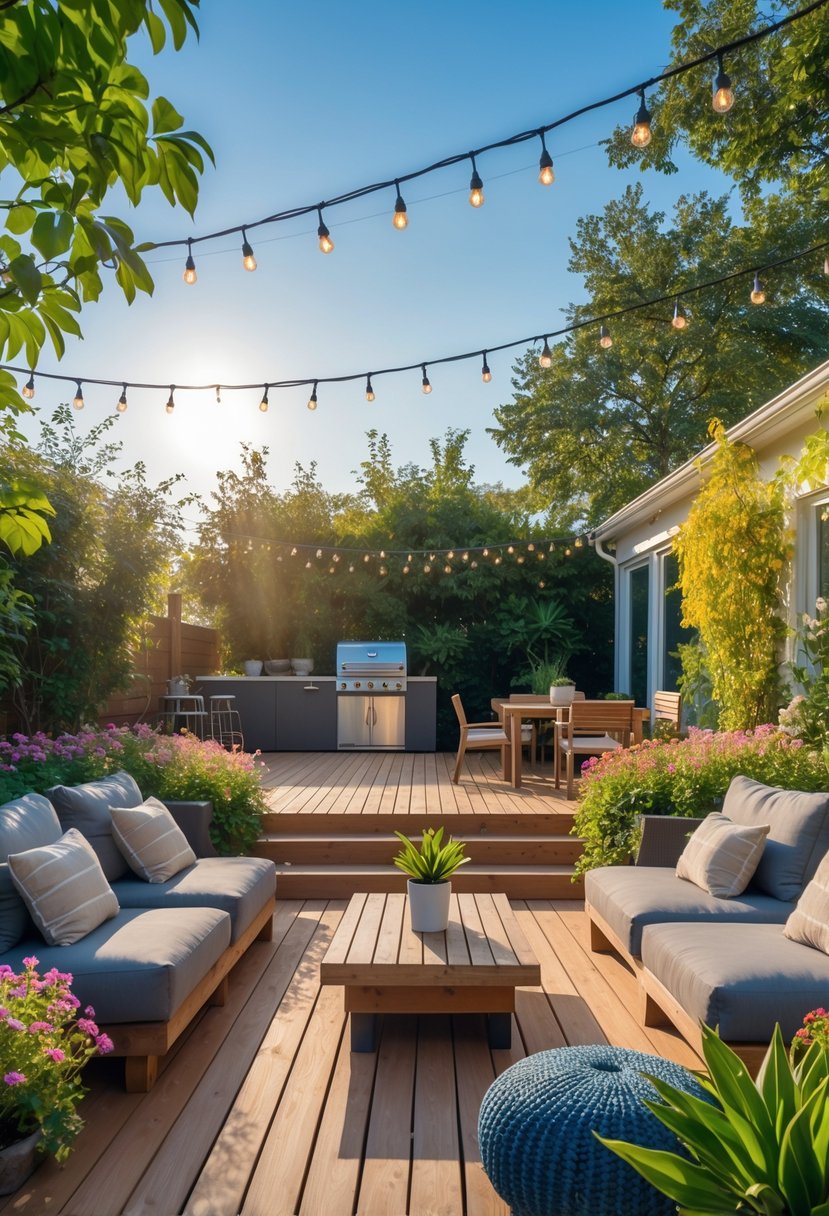
String lighting overhead adds soft, even light to outdoor living spaces. It creates a gentle glow that makes the area feel welcoming and comfortable.
This type of lighting works well over patios, decks, or seating areas. It can be hung between trees, posts, or along the edges of a roof.
String lights help define the space while providing enough light for evening activities. They are simple to install and can be arranged in many creative patterns.
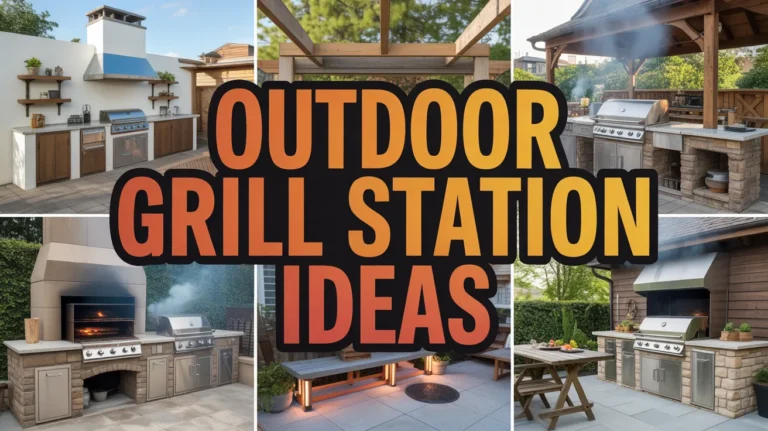
4. Built-in outdoor kitchen with grill
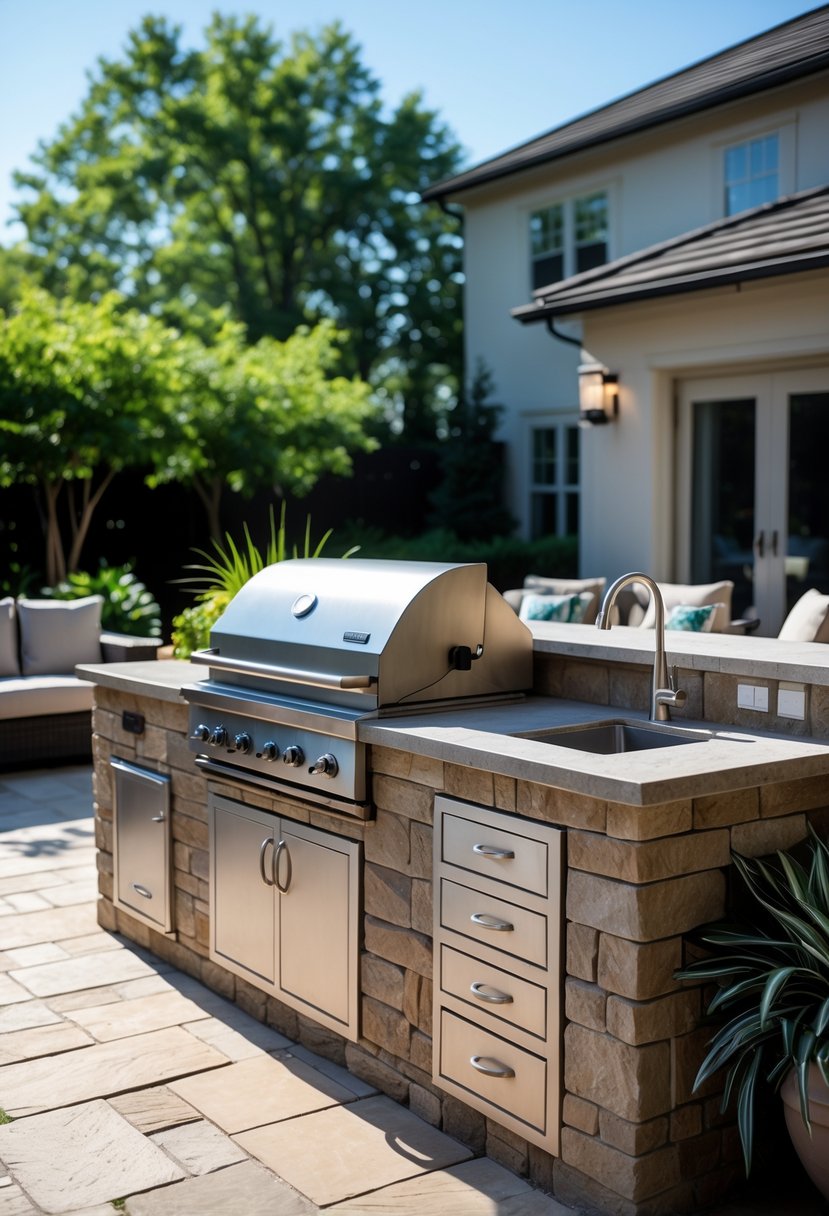
A built-in outdoor kitchen with a grill creates a practical cooking space outdoors. It can be designed with stone or masonry surrounds for a clean, permanent look.
This setup often includes extra features like storage, countertops, and sometimes a fridge. It makes backyard cooking more efficient and enjoyable.
Built-in grills save space and blend well with patios or garden areas. They suit both small spaces and large entertaining areas.
5. Pergola with climbing vines
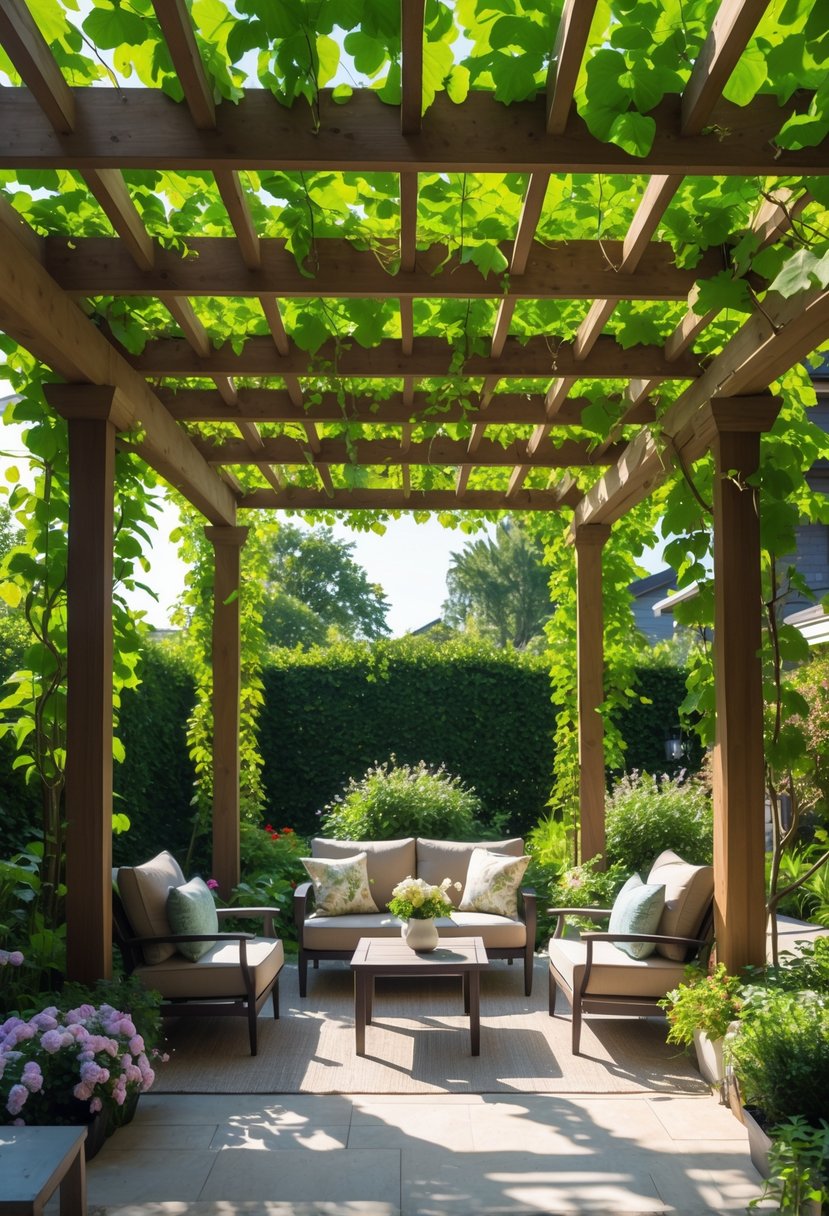
A pergola covered with climbing vines adds natural shade and beauty to any outdoor space. Fast-growing vines like jasmine or honeysuckle bring both color and fragrance.
The sturdy wooden beams support the weight of the plants, creating a cool, green canopy. This design makes the area feel inviting and peaceful.
Adding string lights to the pergola enhances its ambiance for evening gatherings. Climbing vines soften the structure’s lines and blend it with the garden.
6. Hammock between trees
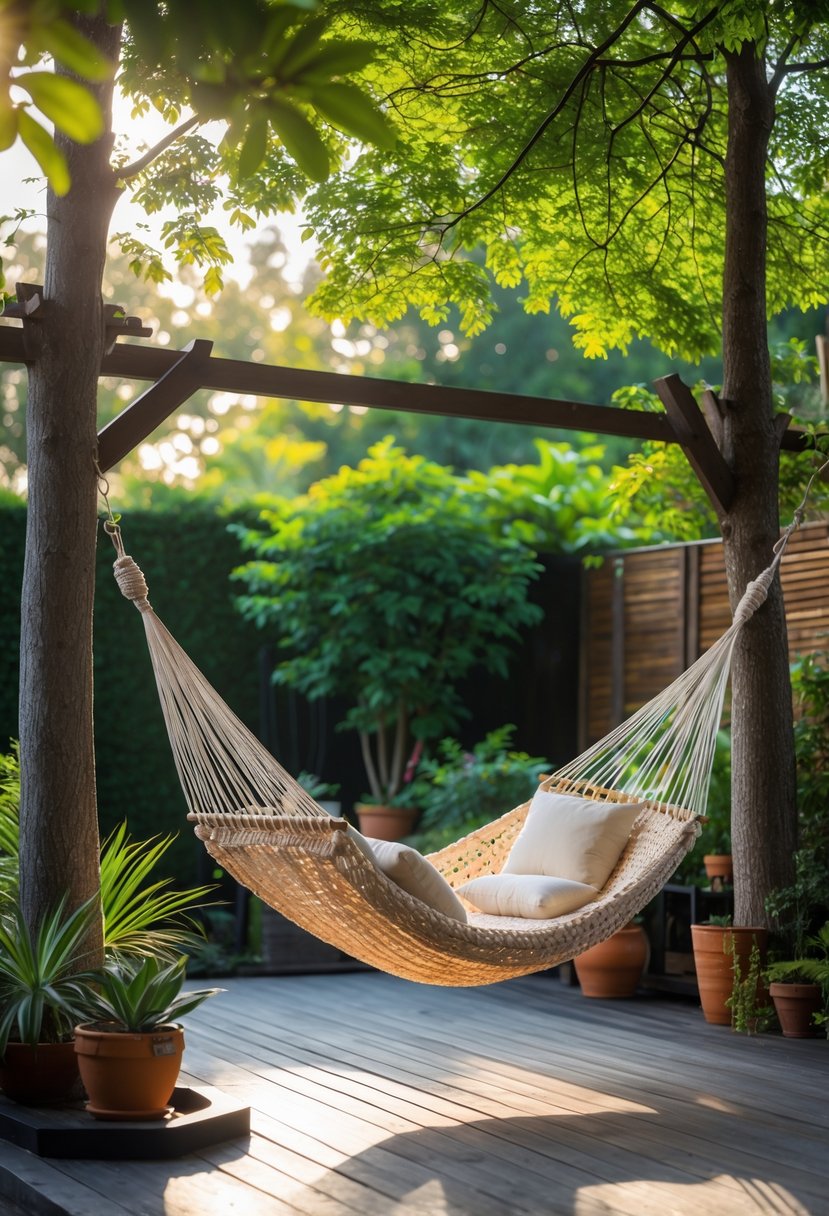
Hanging a hammock between two sturdy trees is a simple way to add comfort to an outdoor space. The natural support lets the hammock sway gently, perfect for relaxing or reading.
Choosing trees that are healthy and strong is important for safety. Spacing between the trees should be about 10 to 15 feet for the best fit.
Adding cushions or a light blanket can make the hammock more inviting. Soft lighting nearby can also create a peaceful atmosphere at dusk.
7. Fire pit surrounded by Adirondack chairs
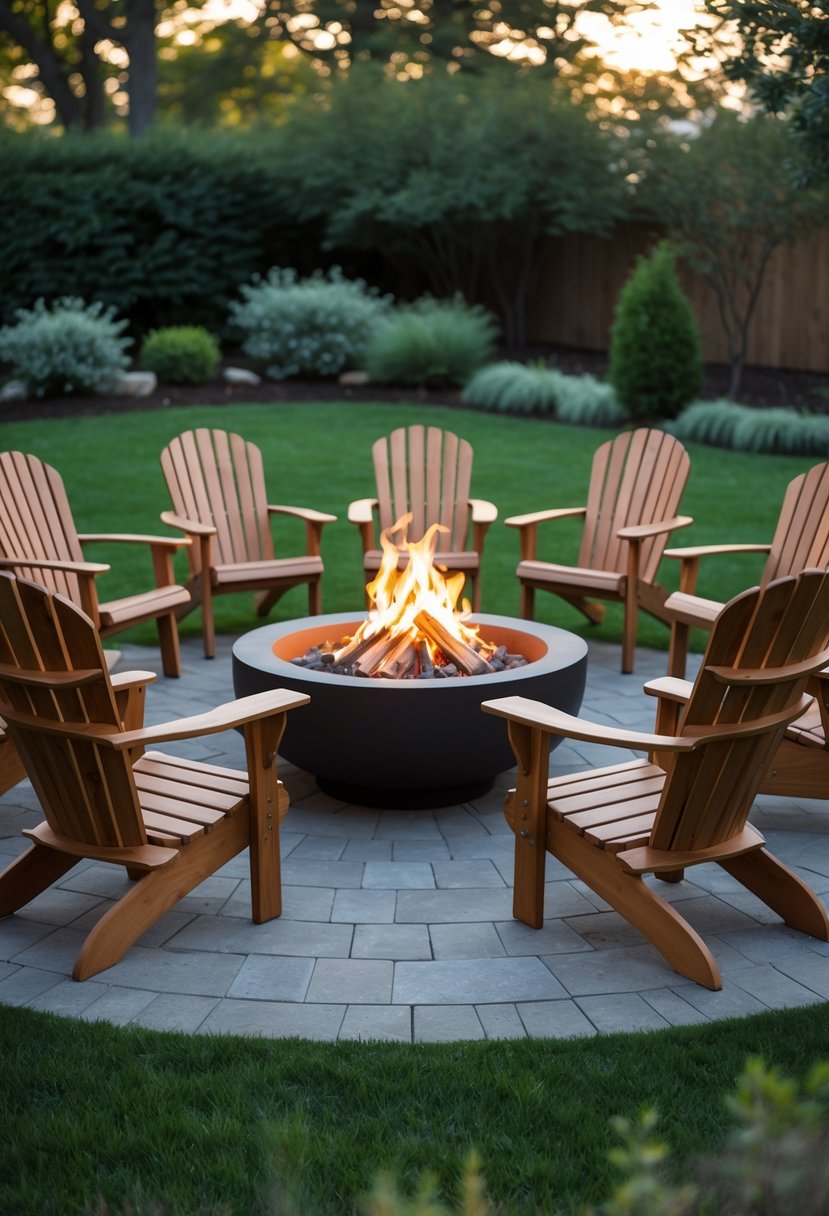
A fire pit with Adirondack chairs creates a simple and welcoming outdoor space. The chairs offer comfort with their angled design, making them ideal for relaxing around the fire.
This setup encourages conversation and warmth during cool evenings. It works well in many backyard styles, from rustic to modern.
Adding string lights or lanterns can enhance the atmosphere without much effort. The fire pit and chairs together form a cozy spot for gatherings or quiet time outdoors.
8. Dining area with weatherproof furniture
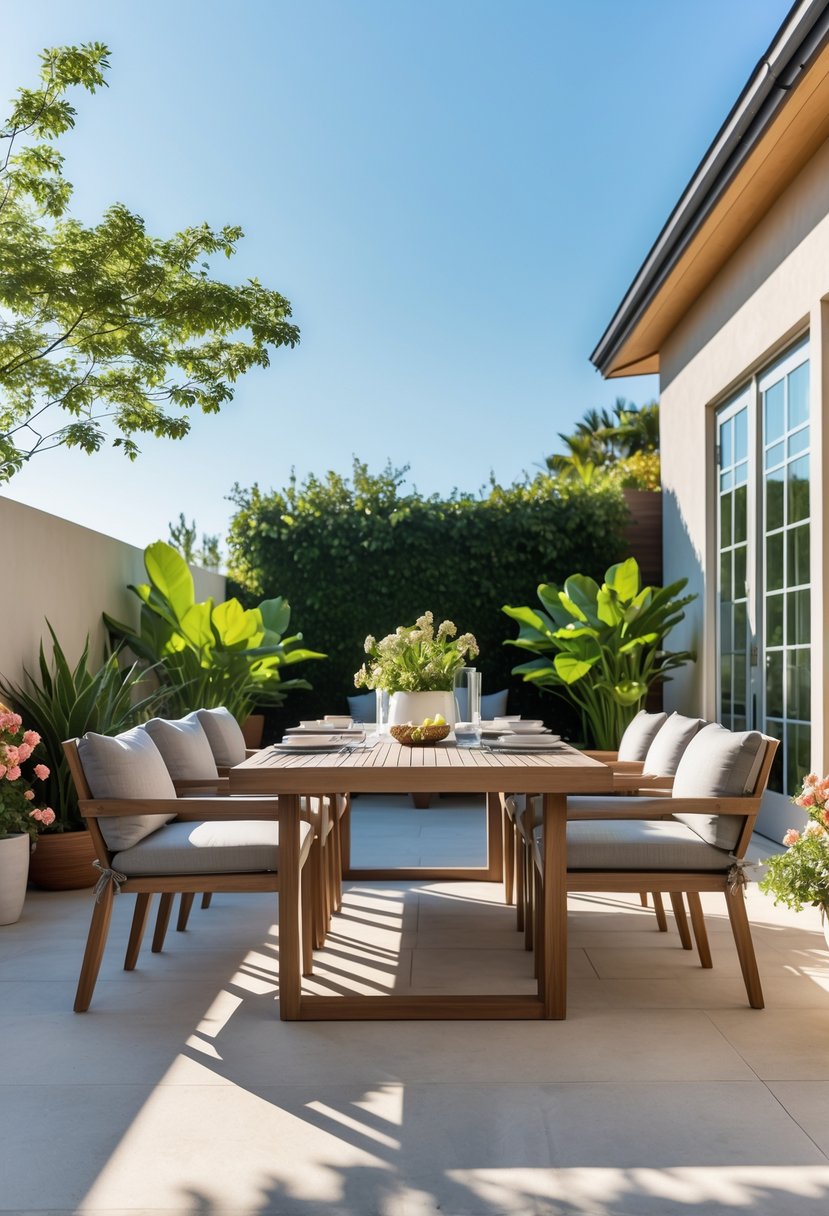
A dining area with weatherproof furniture is practical for any outdoor space. It allows meals to be enjoyed outside without worrying about damage from rain or sun.
Furniture made from materials like metal, treated wood, or synthetic wicker lasts longer and needs less upkeep. Adding cushions with water-resistant fabric makes the space comfortable and easy to clean.
This setup creates a durable and inviting spot for family meals or gatherings. It combines function and style while standing up to changing weather.
9. Vertical garden wall
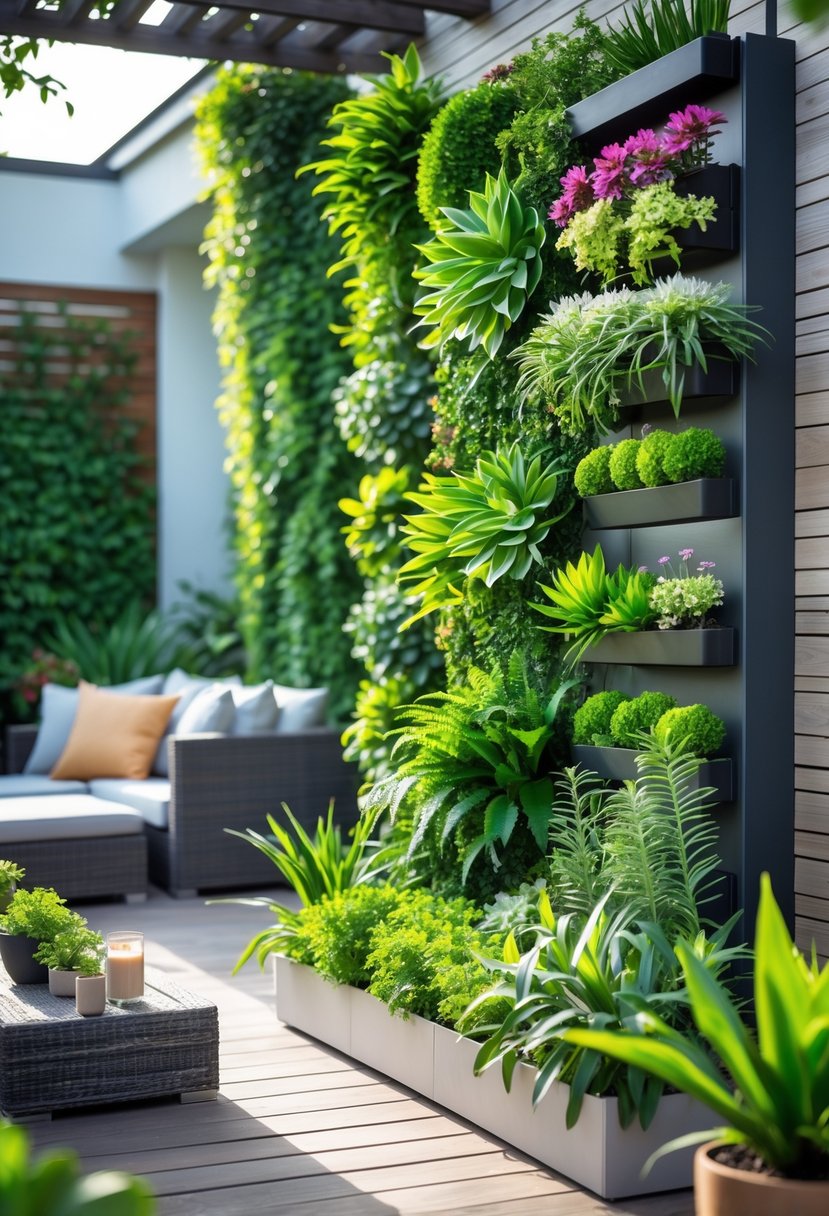
A vertical garden wall is a smart way to add plants without using much floor space. It works well on patios, fences, or bare outdoor walls.
These walls can hold herbs, flowers, or succulents, creating a natural, green feature.
They also help improve air quality and bring a peaceful atmosphere. Many designs use wood, metal, or pockets to hold plants securely. This makes vertical gardens practical and stylish for any outdoor living area.
10. Water feature with seating bench
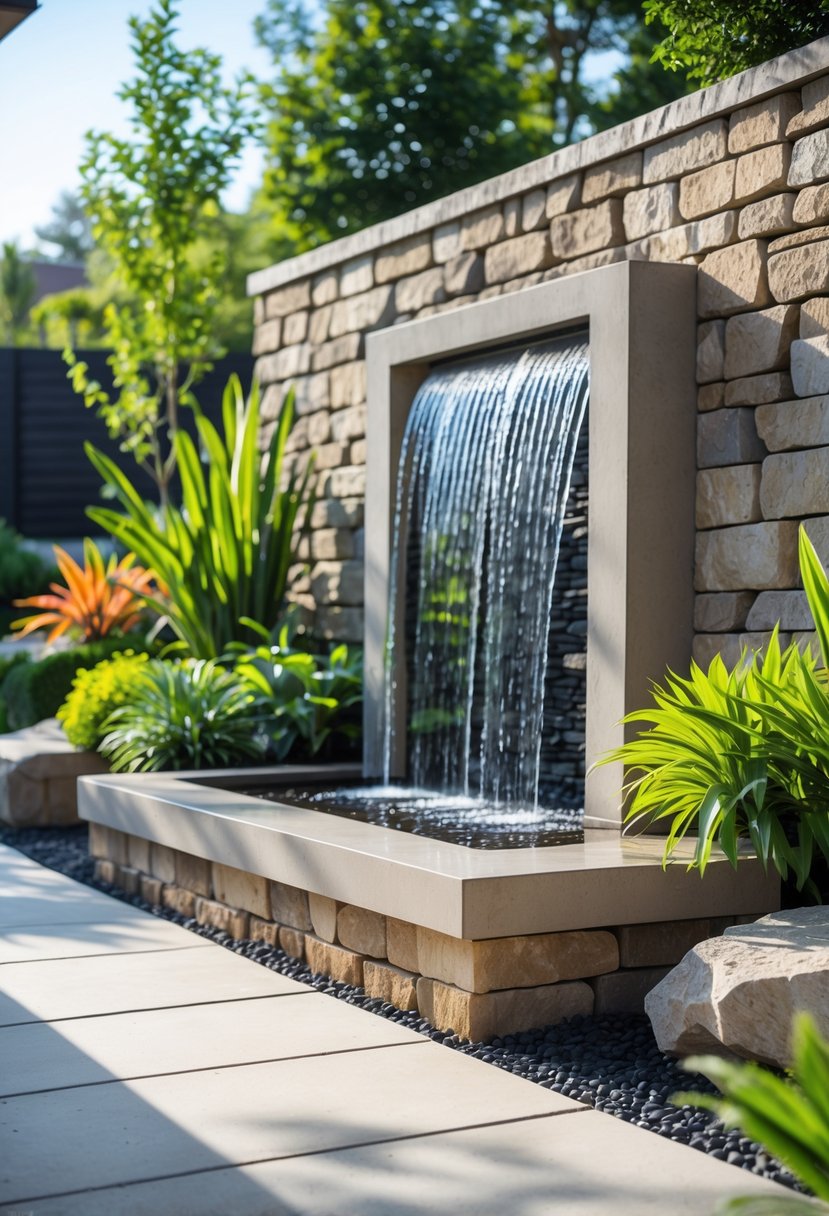
A water feature combined with a seating bench creates a peaceful spot for relaxation outdoors. The sound of flowing water adds calmness while the bench offers a comfortable place to sit and enjoy the view.
This setup works well in gardens or patios of any size. It blends natural beauty with functional design, making the space inviting without taking up too much room. It also encourages people to spend more time outside.
11. Ceiling fan installed in covered patio
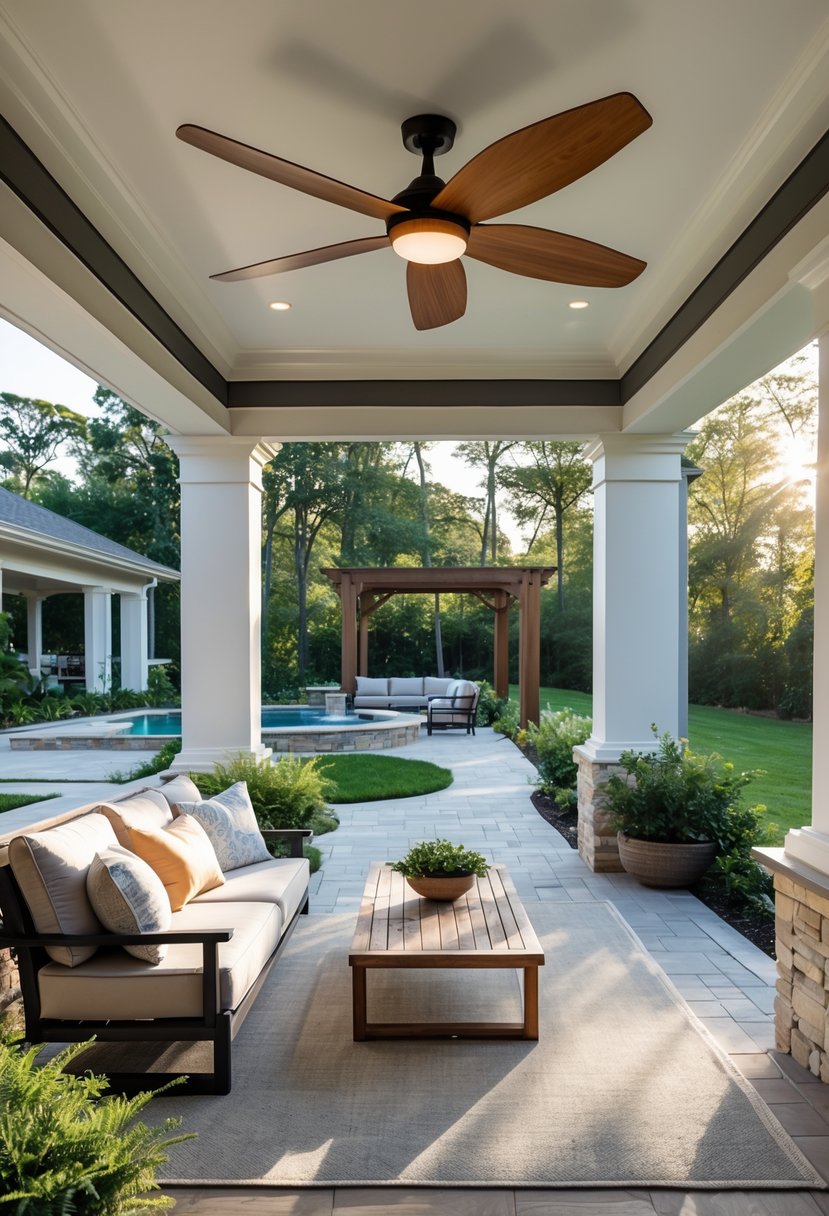
A ceiling fan in a covered patio helps keep air moving and makes the space more comfortable on hot days. It also helps reduce bugs by creating a gentle breeze.
Choosing a fan rated for outdoor use, like a damp-rated model, is important to ensure it holds up to humidity. Proper installation is key, and many may prefer to hire an electrician for safety.
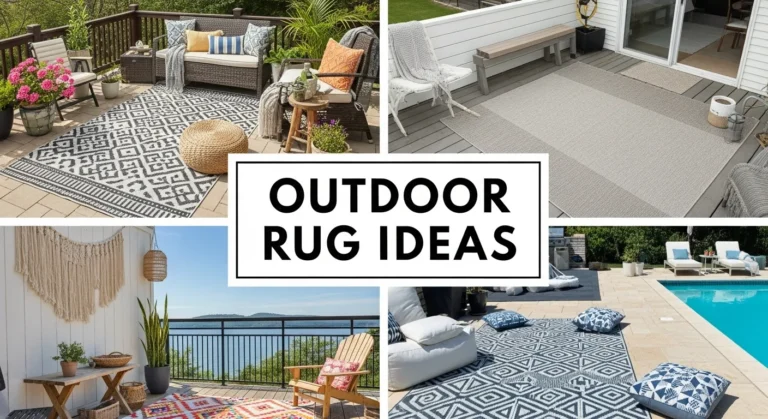
12. Outdoor rug for defined living space
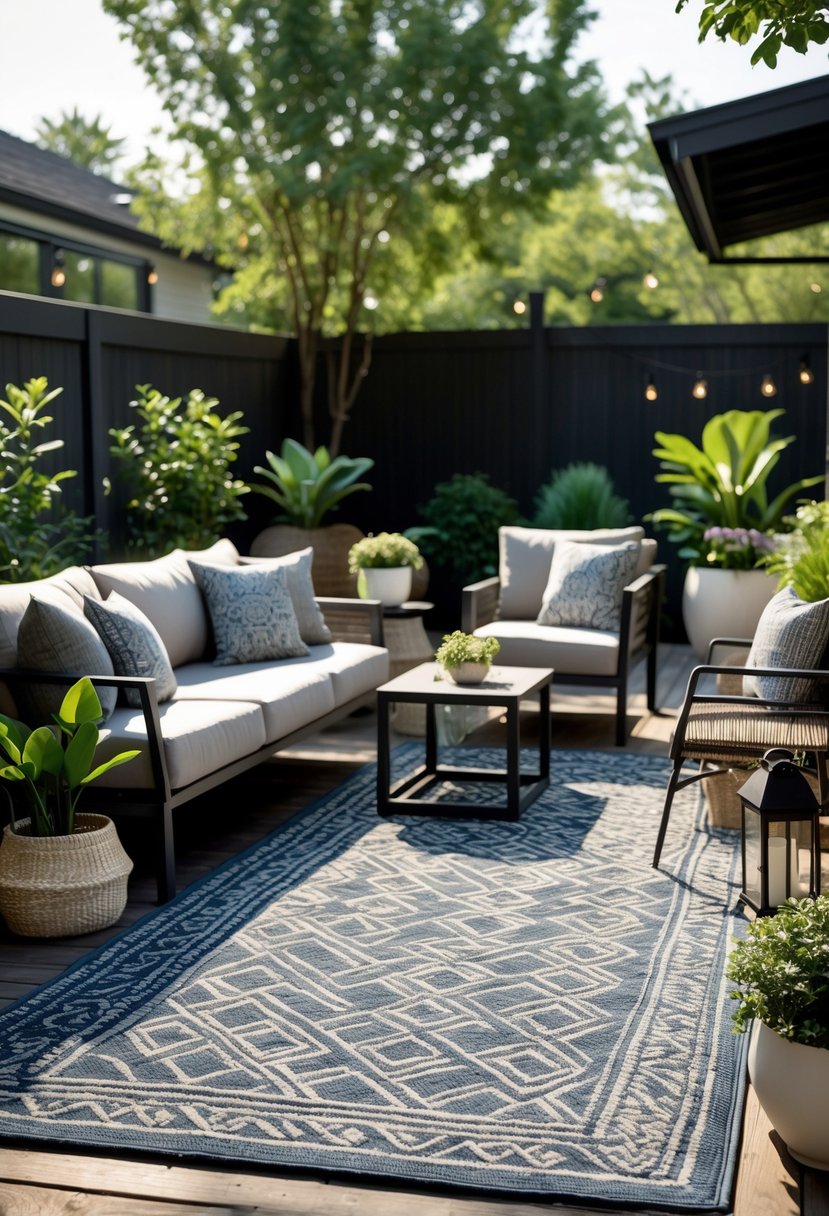
An outdoor rug helps create clear zones in a yard or patio. It defines living areas like seating spots or dining spaces.
Using rugs adds softness to hard surfaces such as concrete or wood. They bring comfort and visual interest.
Rugs come in many sizes and patterns to fit different spaces. Layering multiple rugs can break up long or narrow areas effectively.
13. Daybed with canopy
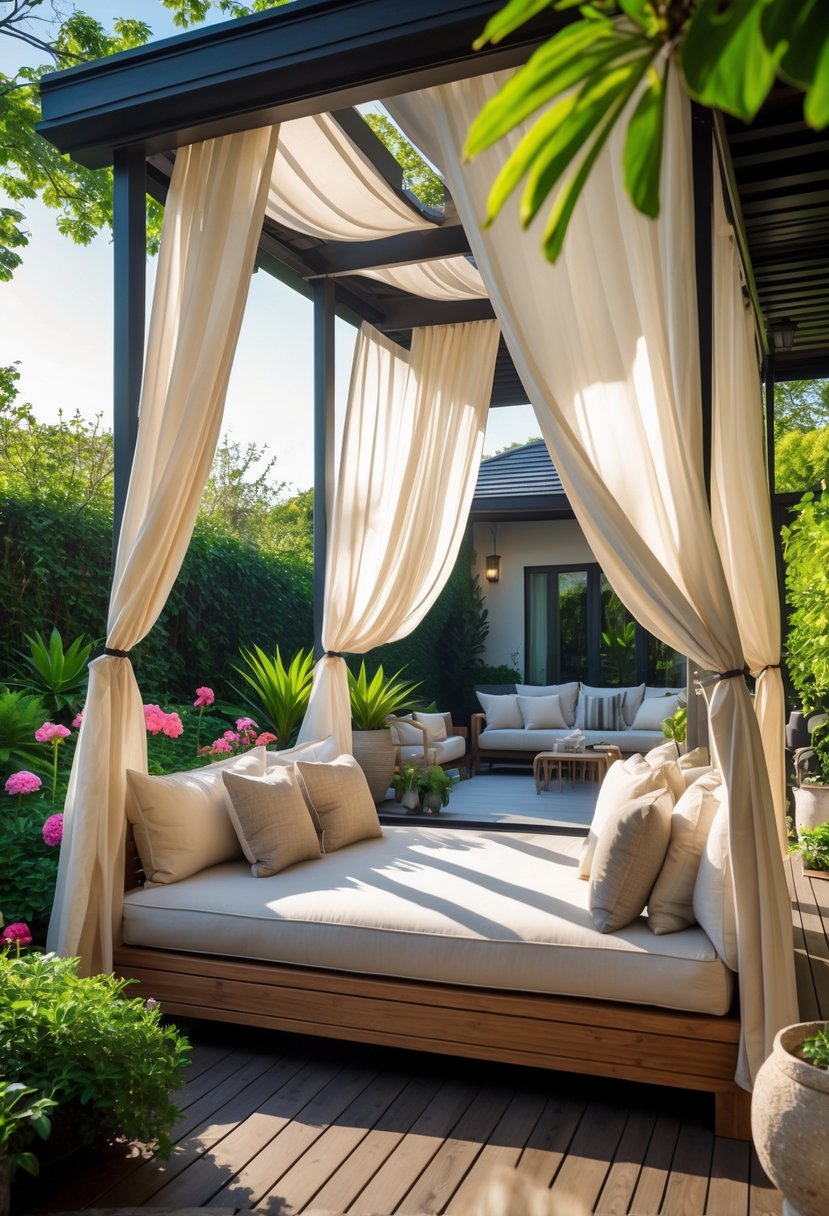
A daybed with a canopy adds both comfort and style to an outdoor living space. The canopy offers shade, protecting from the sun while creating a cozy spot to relax.
Daybeds come in many styles, from modern to boho, and can fit different outdoor areas. They provide extra seating and a place to rest or nap outdoors.
This type of daybed can be freestanding and placed on decks, patios, or lawns. The canopy helps make outdoor time more enjoyable on sunny days.
14. Mixed material patio flooring
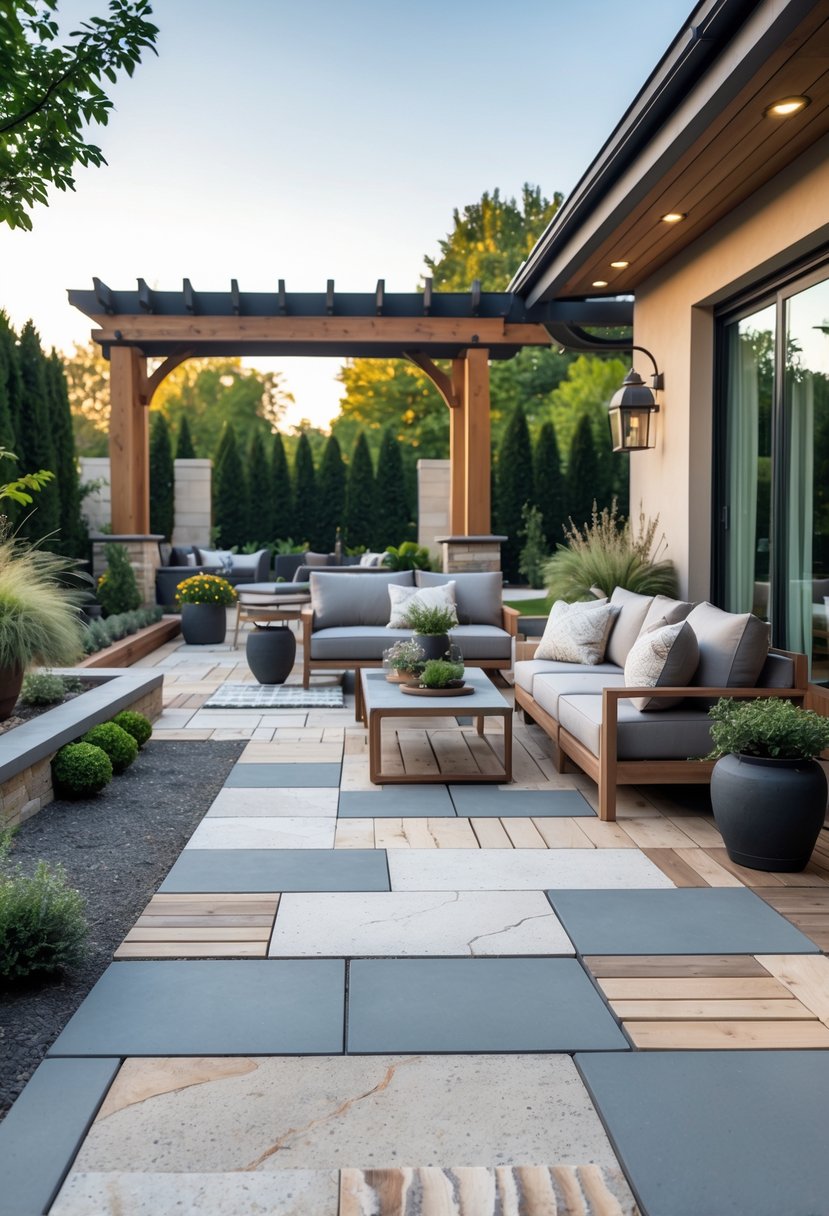
Mixed material patio flooring combines different textures and colors to create a unique look. It often pairs stone, wood, and concrete for visual interest.
This approach allows homeowners to highlight specific areas, like seating or dining spaces.
Using diverse materials can improve durability by applying the best surface for each part of the patio. It also adds a modern touch without needing complex designs.
15. Retractable awning for shade
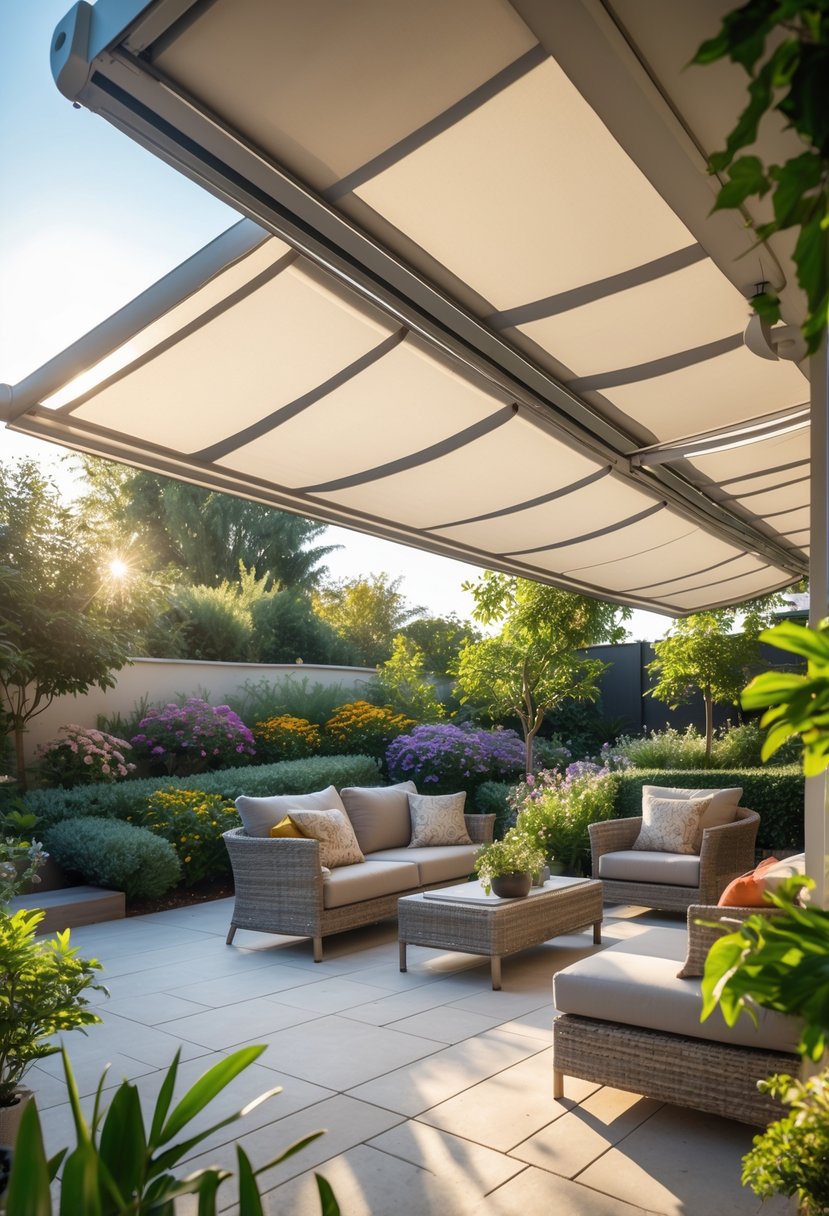
A retractable awning offers adjustable shade that can be extended or retracted as needed. It helps protect outdoor spaces from sun and light rain, making patios more comfortable.
These awnings come in many styles and fabrics, fitting different house designs. When retracted, they take up little space and keep the exterior clean.
Installing a retractable awning can improve the usability of an outdoor area year-round. It adds both function and style without permanent changes.
16. Cozy corner with throw pillows
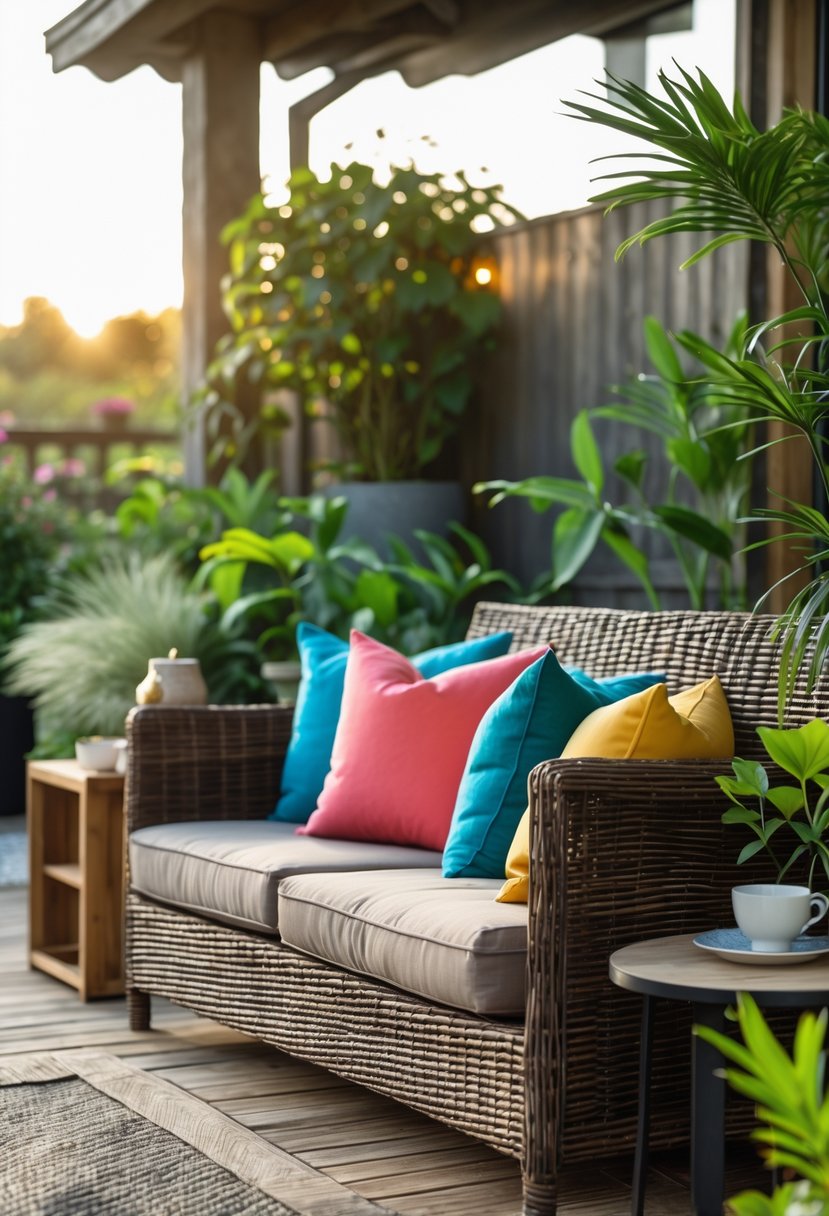
A cozy corner with throw pillows adds both comfort and style to any outdoor space. It creates a soft, inviting spot for relaxing or casual conversations.
They can use colorful or patterned pillows to brighten the area. Layering with a soft throw or blanket can make the corner feel warmer and more welcoming.
Adding a few string lights nearby enhances the ambiance. This setup works well in small patio corners or larger backyard spaces.
Design Principles for Outdoor Living Spaces
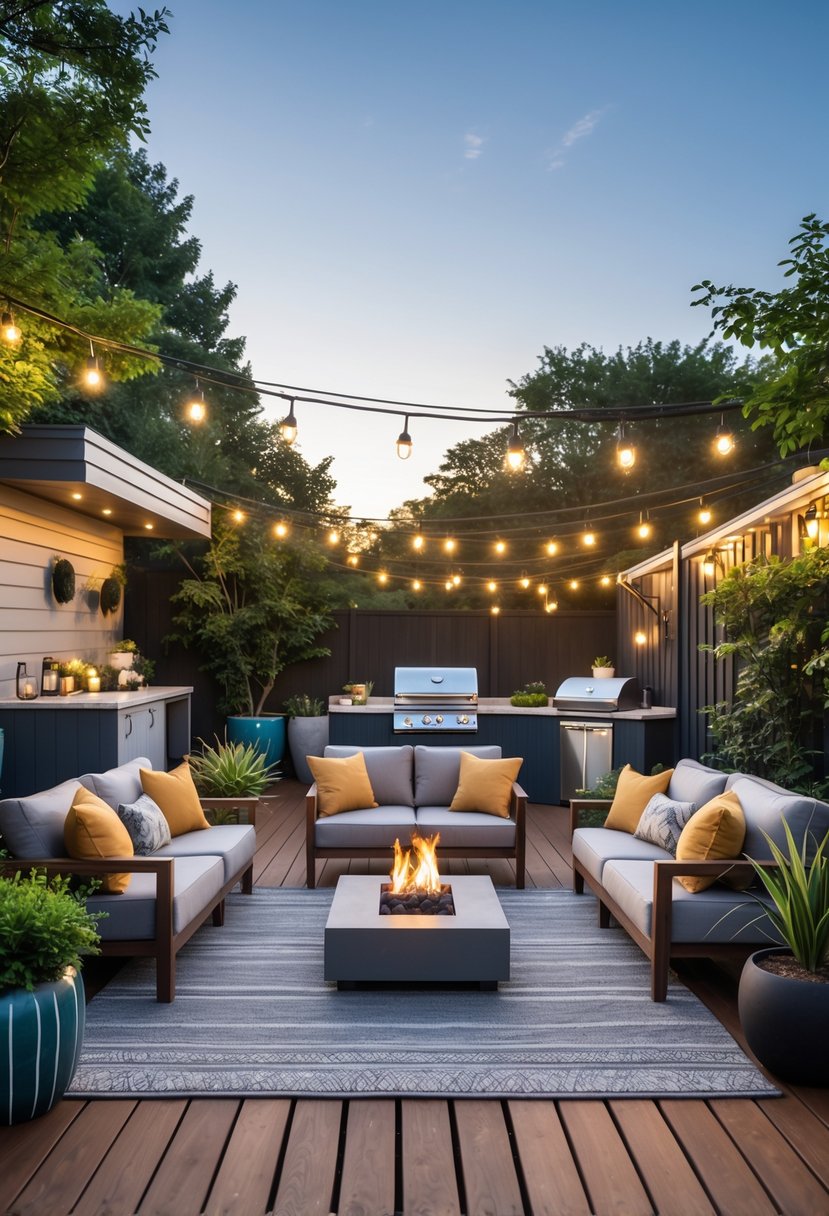
Designing outdoor living spaces requires careful choices about how to connect these areas with the home, what materials to use, and how to arrange the space for ease and comfort. Each aspect contributes to creating a balanced and practical outdoor environment that can be enjoyed year-round.
Blending Indoor and Outdoor Elements
A well-designed outdoor space often mirrors indoor qualities to create a smooth flow between environments. This can include matching color schemes, using similar furniture styles, or continuing architectural features like ceiling beams or flooring textures.
Lighting plays a major role here. Using the same type of lighting fixtures indoors and outdoors helps unify the look. Plants and natural elements act as a bridge by bringing nature closer to the home’s interior.
Adding outdoor rugs, cushions, and weatherproof furniture that resembles indoor styles encourages comfort and extends the living area. This blending makes the outdoor space feel like a natural extension rather than a separate zone.
Choosing Durable Materials
Materials need to be strong and weather-resistant to handle sun, rain, and temperature changes. Porcelain pavers, concrete, and natural stone are common for flooring because they last long and resist cracks or fading.
Furniture should be made from materials like treated wood, metal with powder coating, or synthetic wicker that won’t warp or rust easily. Fabrics should be water- and UV-resistant to prevent mildew and fading.
Using durable materials reduces maintenance and keeps the area safe and attractive over time. This approach also helps protect investments in the space by ensuring everything stays functional and looks good for years.
Functional Layouts for Comfort
Comfort starts with a clear, functional layout that encourages easy movement and makes sense for activities like dining, lounging, or cooking. It’s important to define zones for different uses so each area feels purposeful and clutter-free.
Seating arrangements should face each other or a focal point like a fire pit to encourage socializing. Walkways need to be wide enough for easy passage without interrupting seating or gathering spots.
Incorporating shade with pergolas, umbrellas, or trees enhances comfort in hot weather. Thoughtful layout planning allows the space to feel cozy yet open, supporting both relaxation and entertainment.
Conclusion
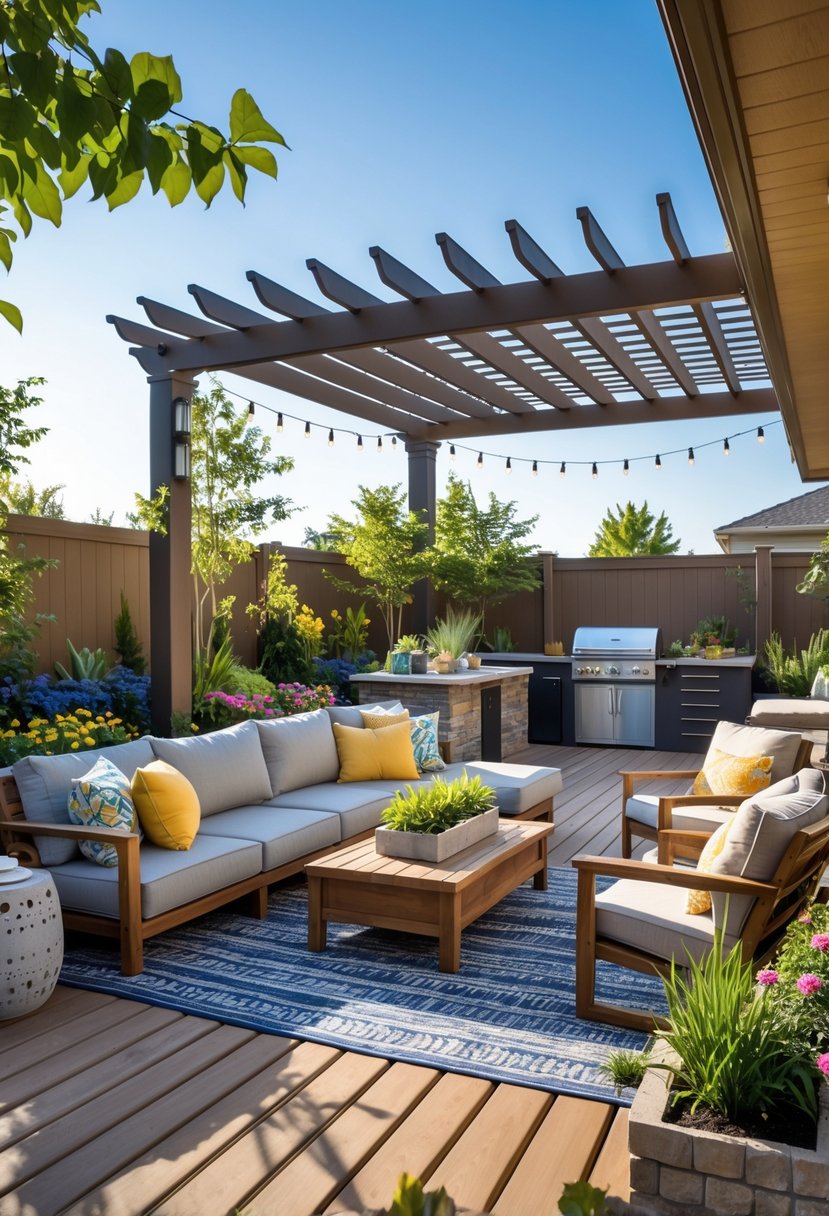
Creating an outdoor living space offers practical benefits and adds value to any home. It allows people to enjoy fresh air while still having the comforts of indoor living.
Design choices should reflect personal style and how the space will be used. Factors like seating, lighting, and storage can make areas more functional and inviting.
Simple additions like curtains or screens help create privacy and change the mood easily. Multi-purpose furniture can save space while adding convenience.
Using cost-effective materials and DIY projects can keep the budget manageable. Fast-growing plants or gravel patios offer affordable, low-maintenance options.
The key is to think about flexibility. Spaces that adapt to different activities—dining, relaxing, entertaining work best throughout the year.
This approach leads to an outdoor area that feels like a true extension of the home. It supports comfort, style, and practicality without unnecessary complexity.
By focusing on thoughtful design, anyone can build a comfortable outdoor living space that matches their lifestyle and surroundings.