
12 Beautiful Spiritual Garden Ideas for Peace and Relaxation
Creating a spiritual garden offers a peaceful space where people can relax and reflect. These gardens blend natural elements with thoughtful design to support calmness and mindfulness. They serve as personal retreats that help reduce stress and encourage a deeper connection with nature.

A spiritual garden is a simple yet powerful way to bring peace and relaxation into any outdoor space. By carefully choosing features that promote tranquility, anyone can create a sanctuary that refreshes both the mind and body.
Stone Meditation Bench Surrounded by Lush Greenery
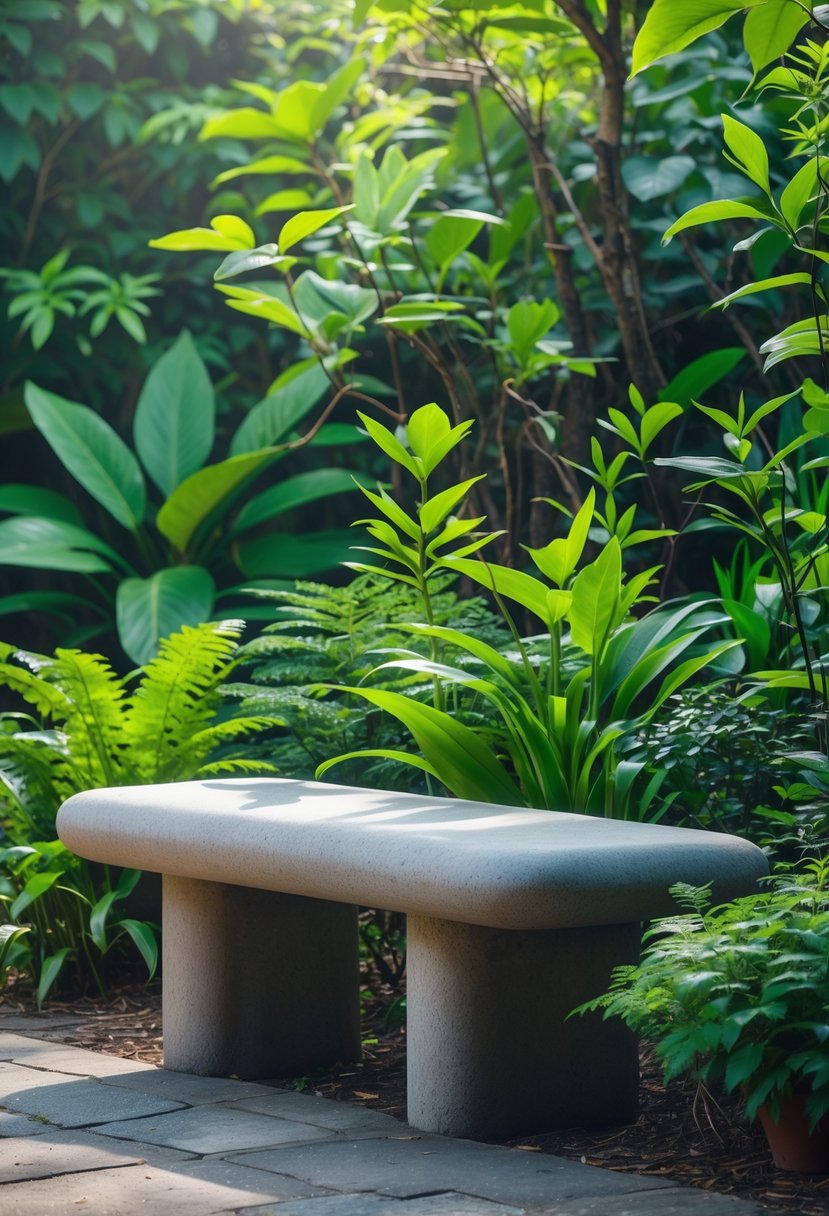
A stone meditation bench creates a simple, stable spot for quiet reflection. It blends well with natural surroundings and adds a peaceful touch to any garden.
Placing the bench among lush greenery helps create a calming environment. Plants soften the edges and bring in fresh air, making the space relaxing.
The natural materials of the bench complement the leaves and flowers. This combination encourages mindfulness and helps people feel connected to nature.
Gentle Water Fountain as a Tranquil Centerpiece

A gentle water fountain can serve as the calming focal point of a spiritual garden. The soft sound of flowing water helps to create a peaceful atmosphere. This quiet noise masks distractions and encourages relaxation.
The water movement adds visual interest without overwhelming the space. Simple designs work well to maintain a sense of balance. It also invites moments of reflection and mindfulness.
Placing a fountain in a central spot draws attention and anchors the garden’s design. It connects other elements like plants and seating areas into a harmonious whole. This makes the garden feel more inviting and restful.
Cozy Meditation Nook with Cushions and Mats

A cozy meditation nook can make a garden space more inviting and peaceful. Soft cushions and mats provide comfort, helping a person sit for longer periods without strain.
Choosing natural materials for cushions and mats adds to the relaxing atmosphere. Placing them in a quiet, shaded corner maximizes calmness.
Adding a small, low table nearby for items like incense or a journal can improve the meditation experience. This simple setup offers a dedicated place for reflection and rest.
Zen Sand Garden with Rake Patterns

A Zen sand garden uses fine sand or gravel to create a calm and simple space. Patterns are made by raking the sand with a special tool, often wooden or bamboo.
These patterns often mimic water waves or flowing lines. They help focus the mind and encourage peaceful meditation.
The act of raking is slow and deliberate, which can bring clarity and calm. Stones placed in the sand represent mountains or islands, adding balance to the design. This garden style fits well in both small and large outdoor spaces.
Aromatic Herb Garden with Lavender and Rosemary
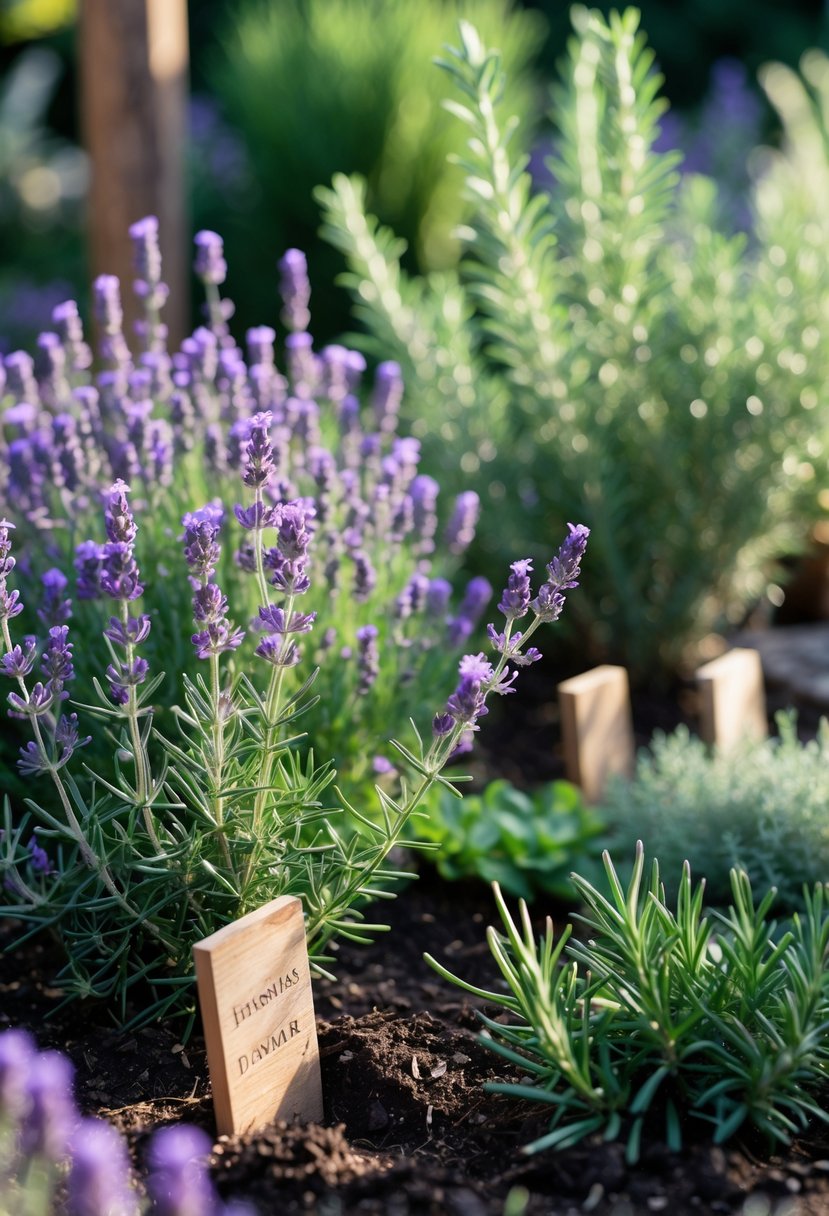
An aromatic herb garden with lavender and rosemary creates a calm and peaceful space. Lavender offers a gentle, relaxing scent that can help reduce stress. Rosemary adds a fresh, crisp aroma often linked to mental clarity and focus.
Both herbs are easy to grow in sunny spots. They attract pollinators like bees, which support the garden’s health. Regular watering and nutrient-rich soil help these plants thrive and keep their fragrance strong.
This simple herb garden can enhance meditation or quiet moments outdoors. Its natural scents add to the feeling of calm without being overwhelming.
Buddha Statue to Invite Serenity

A Buddha statue creates a strong sense of calm in any garden. It acts as a symbol of peace, mindfulness, and reflection. Placing the statue in a quiet spot encourages a tranquil atmosphere.
The statue can be surrounded by simple natural elements like plants or stones. Water features nearby add to the feeling of relaxation. The presence of the Buddha helps visitors slow down and focus on the present moment.
This element supports a peaceful space for meditation or quiet thought. It is a meaningful addition that enhances inner calm and balance in the garden.
Soft Candlelight Along Garden Pathways

Soft candlelight can create a calm and inviting atmosphere in a spiritual garden. Placing small candles along pathways offers gentle illumination that encourages quiet reflection.
Candles add warmth without harsh brightness. This subtle light helps visitors feel more connected to the space, especially during early evenings or dusk.
Using candles inside lanterns or glass holders can protect flames from wind and increase safety. This simple addition enhances the garden’s peaceful mood while guiding the way softly.
Fairy Lights Draped Around Trees
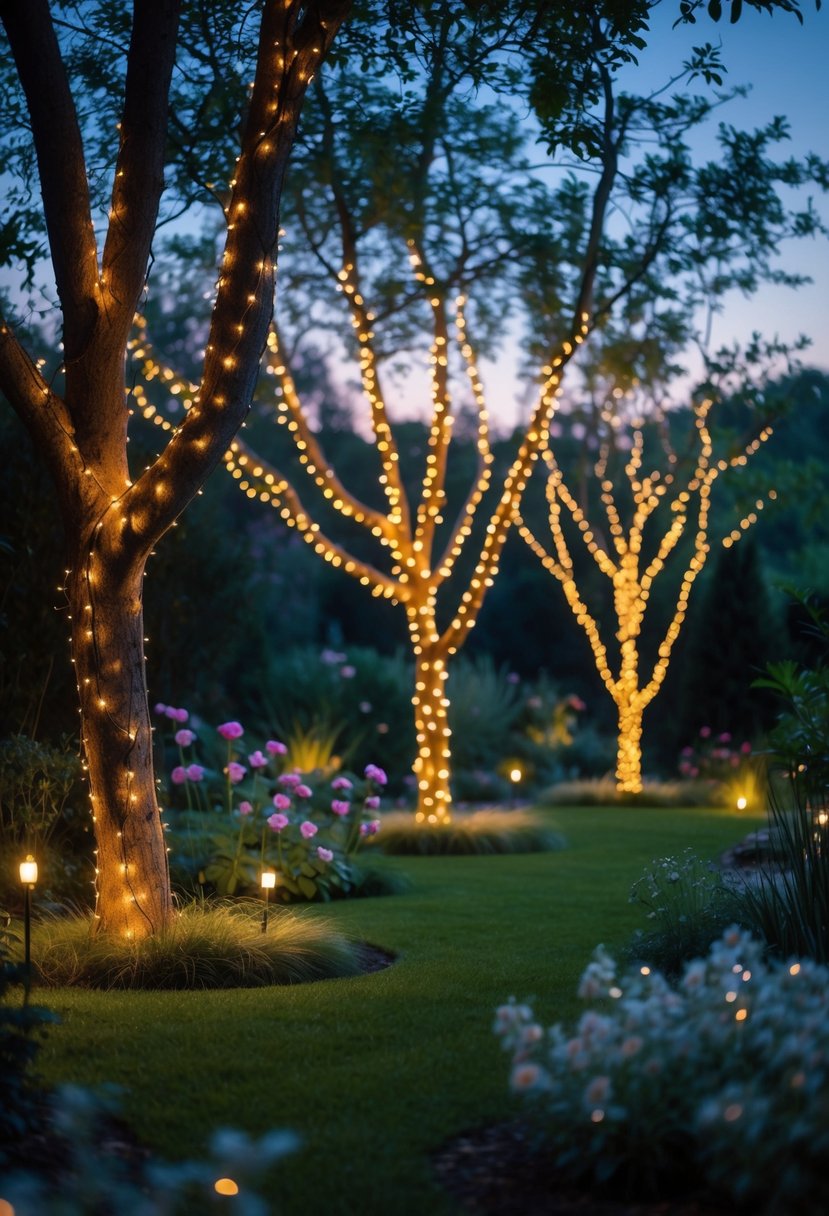
Draping fairy lights around trees adds a gentle glow that enhances the calm atmosphere of a spiritual garden. The soft light creates a peaceful setting, ideal for meditation or quiet reflection.
They provide subtle illumination that highlights natural features without overpowering the space. This simple addition can make evenings more serene and inviting.
Using warm white or soft yellow lights helps maintain a natural feel. Wrapping the lights carefully avoids damage to the tree and ensures the display looks neat and intentional.
Reflective Water Pool for Mindfulness

A reflective water pool adds calm and focus to a spiritual garden. The still surface invites quiet observation and helps clear the mind.
Light playing on the water creates a peaceful ambiance. This subtle movement encourages mindfulness and deep breathing.
Choosing a simple design without loud fountains keeps the space serene. The pool can serve as a focal point for meditation or quiet reflection.
Wooden Pergola Covered in Climbing Vines

A wooden pergola wrapped in climbing vines creates a peaceful and shaded area in the garden. It adds natural beauty and softens the structure’s lines, making the space feel calm and inviting.
Popular vines like wisteria, honeysuckle, or ivy provide shade and gentle movement as the wind rustles the leaves. This enhances the overall sense of relaxation.
The pergola can serve as a quiet spot for meditation or reading. Adding simple seating under the vine-covered beams makes it a perfect retreat in any spiritual garden.
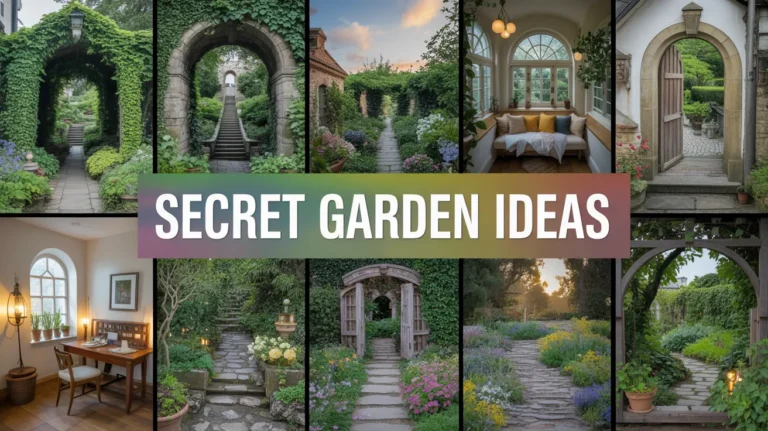
Natural Stone Path Leading to Quiet Spots

A natural stone path guides visitors through the garden, creating a clear route to peaceful areas. The stones add texture and blend well with plants and natural features.
This type of path encourages slow walking, helping people focus on their thoughts or breath. It can lead to a bench, meditation nook, or small water feature.
Choosing smooth stones offers a comfortable walk and a calm feeling. Stones can be spaced to invite mindfulness, making each step part of the garden’s quiet atmosphere.
Wind Chimes to Enhance Auditory Calm

Wind chimes add gentle sounds that create a peaceful atmosphere in any spiritual garden. When the breeze moves through, the soft tones help reduce stress and invite quiet reflection.
They can be made from materials like bamboo, glass, or metal. Each type produces a different sound, allowing for a personalized experience.
Wind chimes also hold symbolic meaning in many cultures. They are often believed to bring positive energy and block negative vibes.
Placing wind chimes near seating areas or paths can enhance moments of meditation and mindfulness. Their presence encourages connection with nature through sound.
Sacred Altar for Personal Reflection

A sacred altar can be a central part of a spiritual garden. It offers a quiet place for meditation and personal reflection.
The altar can include natural items like stones, flowers, or wood. These elements help connect a person to nature during their time of quiet.
People can add candles or crystals to create a peaceful atmosphere. The altar becomes a space for intention-setting, prayer, or simply resting the mind.
This simple feature encourages mindfulness and deepens the sense of calm in the garden. It can be small but meaningful, designed to fit any outdoor space.
Yoga Area with Non-slip Matting
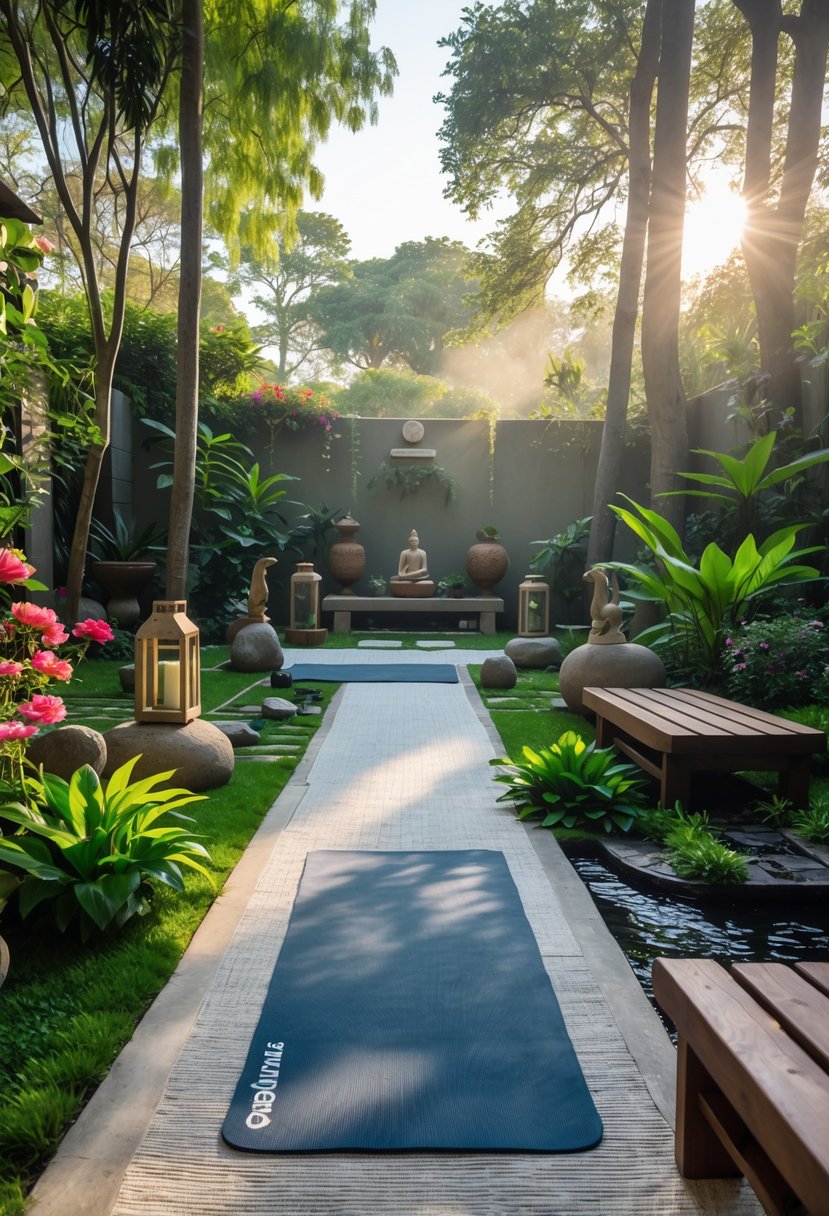
A yoga area in a spiritual garden benefits from safe, non-slip matting. This surface helps prevent slipping during practice, especially when outdoors.
Non-slip mats provide stability on uneven or damp ground. They support balance and allow for smoother movement.
Choosing durable, weather-resistant materials is important for outdoor use. The yoga space becomes both functional and inviting, encouraging regular practice.
Design Principles for a Spiritual Garden

A spiritual garden requires careful planning to create a peaceful and relaxing space. It should balance nature’s elements, encourage smooth movement throughout the area, and use colors that promote calmness. These principles help form a space that supports meditation, reflection, and rest.
Balancing Natural Elements
A spiritual garden blends earth, water, air, and plants in harmony. Each element serves a purpose in fostering calm and mindfulness.
Water features like small fountains or ponds add soothing sounds that help block distractions. Stones and rocks ground the space and offer texture, symbolizing stability. Plants chosen for their meaning, such as lavender for peace or bamboo for flexibility, enrich the garden’s spirit.
Wind chimes or gentle breezes bring the air element, creating subtle movement and sound. The balance between these elements creates a natural rhythm that feels both alive and restful.
Creating Flow and Harmony
Pathways and layout guide visitors smoothly through the garden, inviting a slow, mindful walk. Curved paths and stepping stones encourage gentle movement and reduce harsh angles that can disrupt peace.
The arrangement should feel open but intimate, with spaces for sitting or meditation tucked in natural corners. Using layers of height, like small shrubs and taller trees, adds depth and interest without overcrowding.
Features like labyrinths or circular patterns support focus and meditation. The goal is a seamless flow that helps the mind relax rather than feel rushed or trapped.
Choosing Calming Color Palettes
Colors in a spiritual garden should evoke tranquility without overwhelming the senses. Soft greens, blues, and earth tones are common choices for their natural and soothing effects.
Flowers and foliage in muted shades, like pale lavender, white, or soft yellow, add gentle accents. Bright colors should be used sparingly to avoid disturbing the calm atmosphere.
Colors also reflect light and mood. Matte and natural finishes work better than shiny surfaces, helping the garden feel grounded and peaceful.
Conclusion

Spiritual gardens offer a quiet space for peace and reflection. They blend nature with thoughtful design to create a calming atmosphere. Each element, from plants to pathways, plays a role in encouraging relaxation and mindfulness.
Using simple ideas like meditation corners, water features, or sacred plants can transform any outdoor area. These elements make the garden both beautiful and meaningful. A spiritual garden is not about perfection but about creating a personal retreat.
People can adapt these ideas to fit their space and needs. Whether large or small, a garden designed with intention supports mental and emotional well-being. It invites individuals to slow down and connect with nature.
Key features to consider:
| Feature | Purpose |
|---|---|
| Quiet corners | Space for meditation or prayer |
| Natural elements | Connect with earth and life |
| Pathways | Guide reflection and movement |
| Water features | Add calm and soothing sounds |
Creating a spiritual garden takes time and vision. But the result is a place where one can find calm and recharge. It provides a meaningful way to bring peace into everyday life.