Pergola vs Gazebo: Key Differences for Outdoor Living Spaces
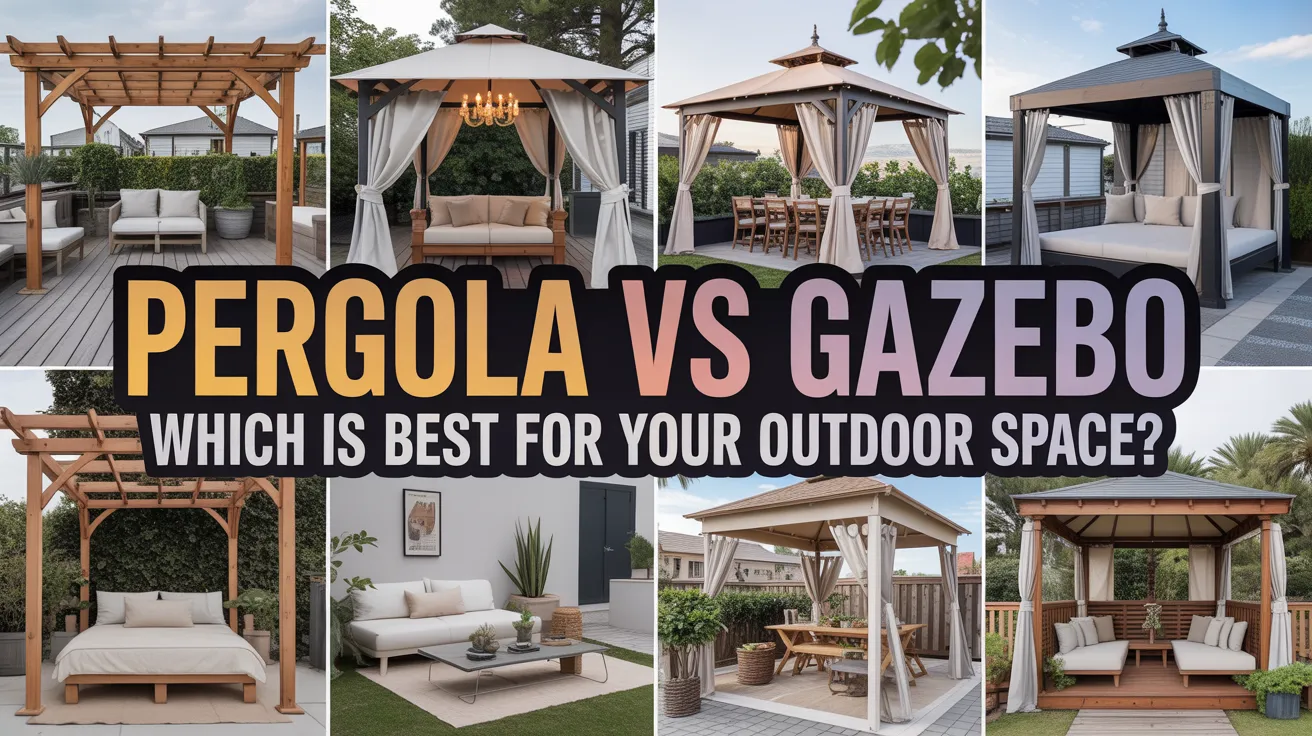
Choosing between a pergola and a gazebo can shape how an outdoor space is used and enjoyed. Both add charm and functionality but serve different purposes. A pergola features an open, partially covered roof that lets sunlight in, while a gazebo has a fully enclosed roof offering complete protection from rain and sun.
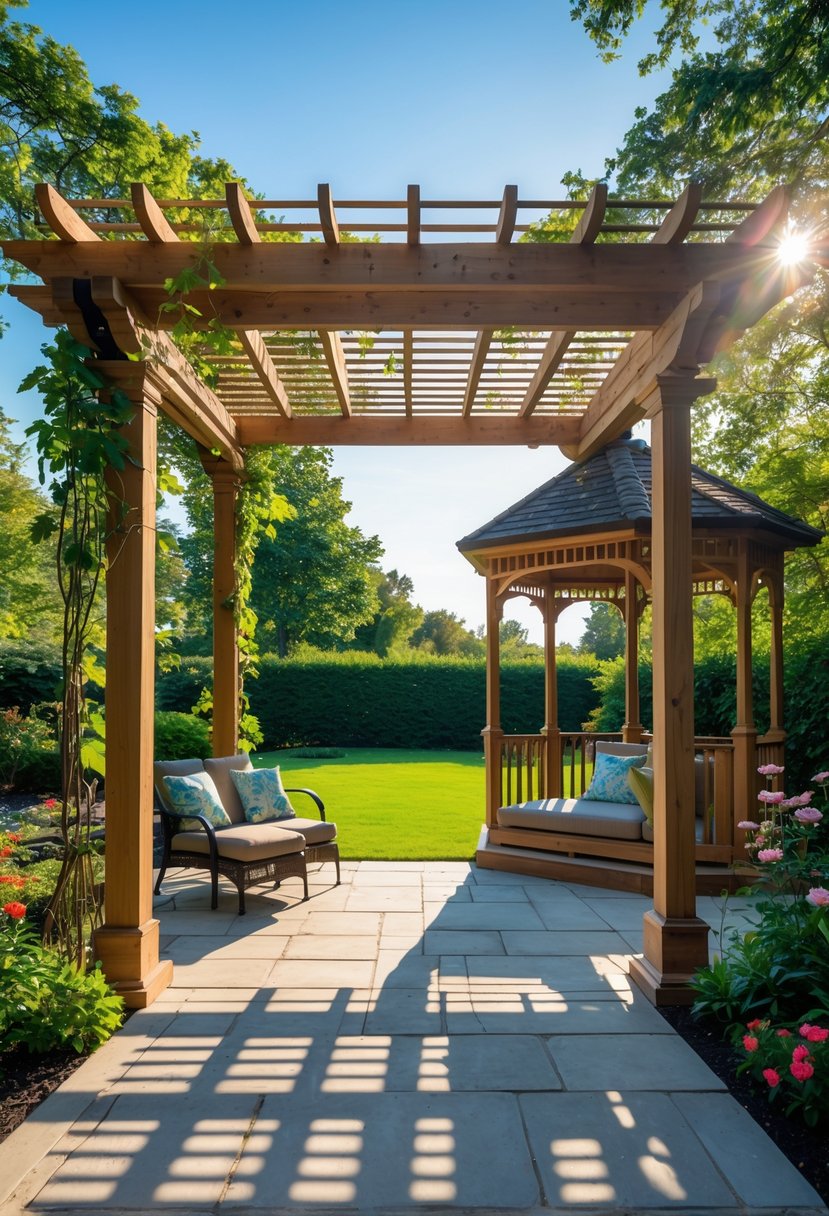
Pergolas are often attached to a house or another structure and let air and light flow freely, making them good for growing vines and creating a cozy, airy feel. Gazebos stand alone, with solid roofs and partial or full open sides, providing shelter and more privacy in any weather.
Understanding these differences helps decide which fits best based on style, budget, and how the space will be used. This guide will explain key features, advantages, and costs to help make that choice easier.
Pergola vs Gazebo: Main Structural Differences
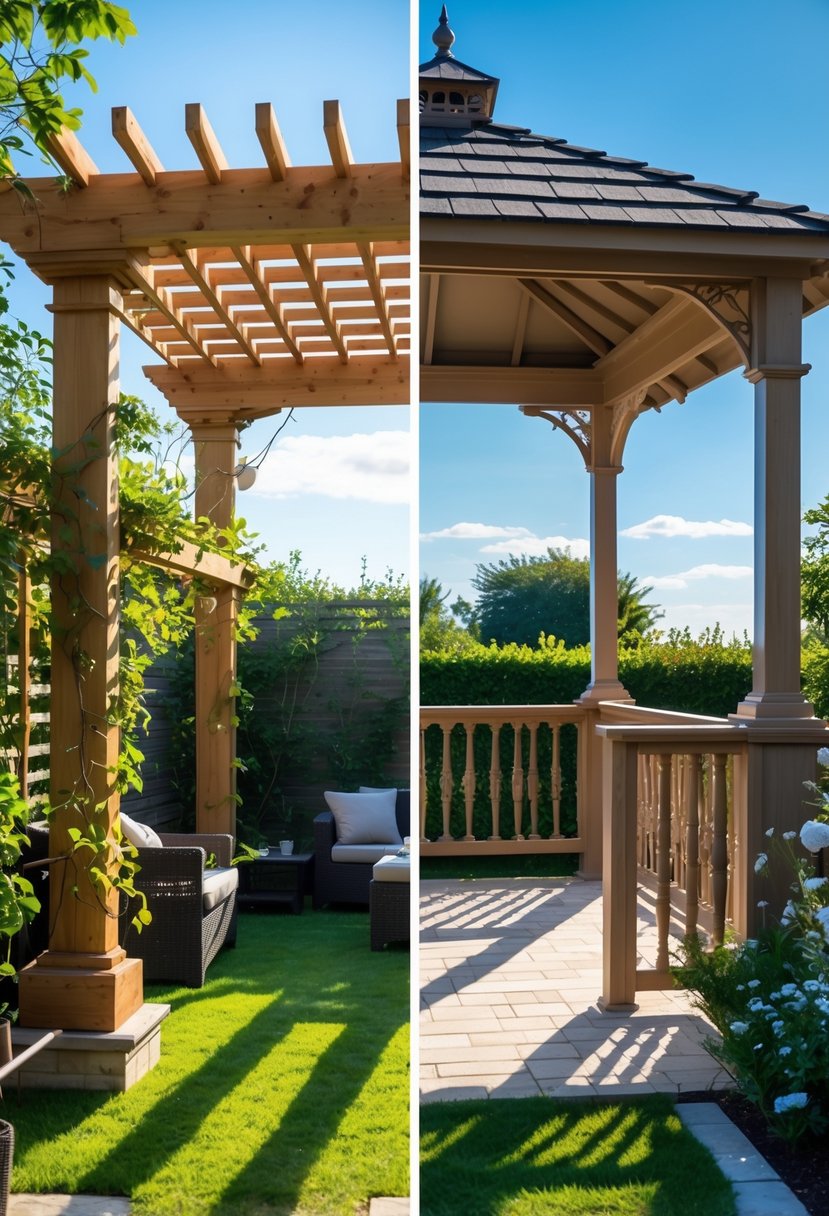
Pergolas and gazebos differ mainly in their roof design and how open or enclosed their sides are. These features impact how much shade and protection they offer, as well as how they fit into outdoor spaces.
Roof Styles and Materials
Gazebos have a fully covered roof that protects from sun and rain. Their roofs can be made from materials like metal, wood, or shingles. This full coverage helps keep the area underneath dry and shaded all day.
Pergolas, on the other hand, usually have an open or slatted roof made from beams or latticework. These roofs let some sunlight pass through while still offering partial shade. Modern pergolas may have retractable or adjustable roofs made from fabric or glass for more flexibility.
Open Sides vs Enclosed Structure
Gazebos often have a more enclosed design with railings, walls, or screens around the sides. This creates a sheltered space more like an outdoor room. These walls can protect from wind and insects and add privacy.
Pergolas almost always have open sides with no walls or only partial railings. This open structure defines a space without fully enclosing it. It allows for air flow and easy access but offers less protection from the elements.
How Pergolas and Gazebos Shape Outdoor Living Spaces
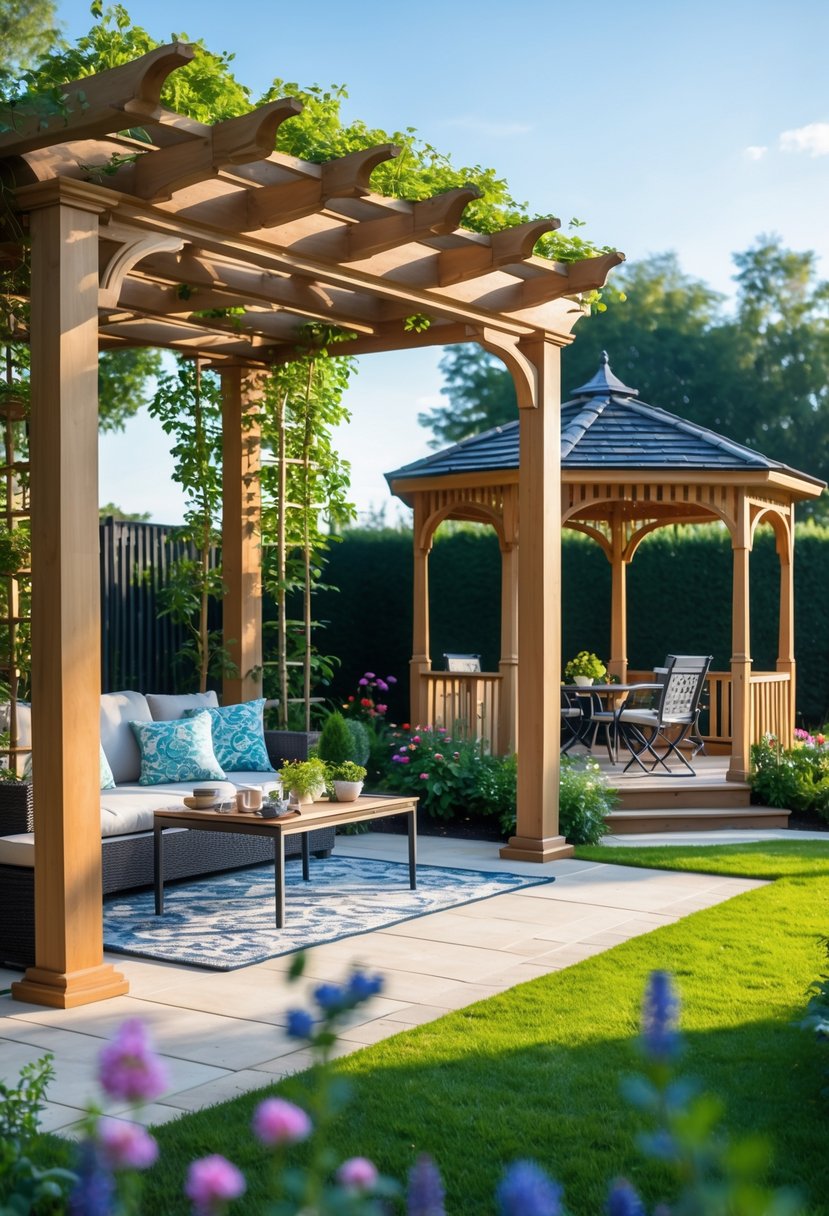
Pergolas and gazebos create distinct zones that enhance outdoor living. They define spaces like patios, decks, and yards differently while offering unique levels of shade, privacy, and weather protection. Choosing between them depends on how one plans to use outdoor areas and the kind of shelter desired.
Defining Outdoor Areas: Patio, Deck, and Yard Uses
Pergolas often serve to mark or extend patios and decks. Their open, airy design fits well on flat surfaces, creating a natural flow between indoor and outdoor living. They can act as a frame for seating areas, dining spaces, or outdoor spas without fully closing off the space.
Gazebos usually stand alone in yards or parks. Their fully roofed design makes them ideal for creating covered gathering spots that feel separate from the house. Gazebos can accommodate furniture and protect from falling leaves or light rain, making them a solid choice for entertaining.
Both structures help organize outdoor living spots but in different ways. Pergolas emphasize openness and connection, while gazebos encourage a more sheltered, defined outdoor room.
Shade, Privacy, and Weather Protection
Pergolas offer partial shade through their open slatted roofs. They reduce direct sunlight but still allow breezes and natural light. This makes them good for cooling areas on patios and decks but less effective against rain or strong winds.
Gazebos provide full shade with solid roofs and sometimes walls. They give better protection from sun, rain, and wind, enhancing privacy and comfort. This is useful in backyards where weather conditions can change and more shelter is needed.
In summary, pergolas suit those wanting light shade and an open feel. Gazebos benefit those needing a covered outdoor space with greater privacy and weather resistance.
Functionality, Features, and Design Options
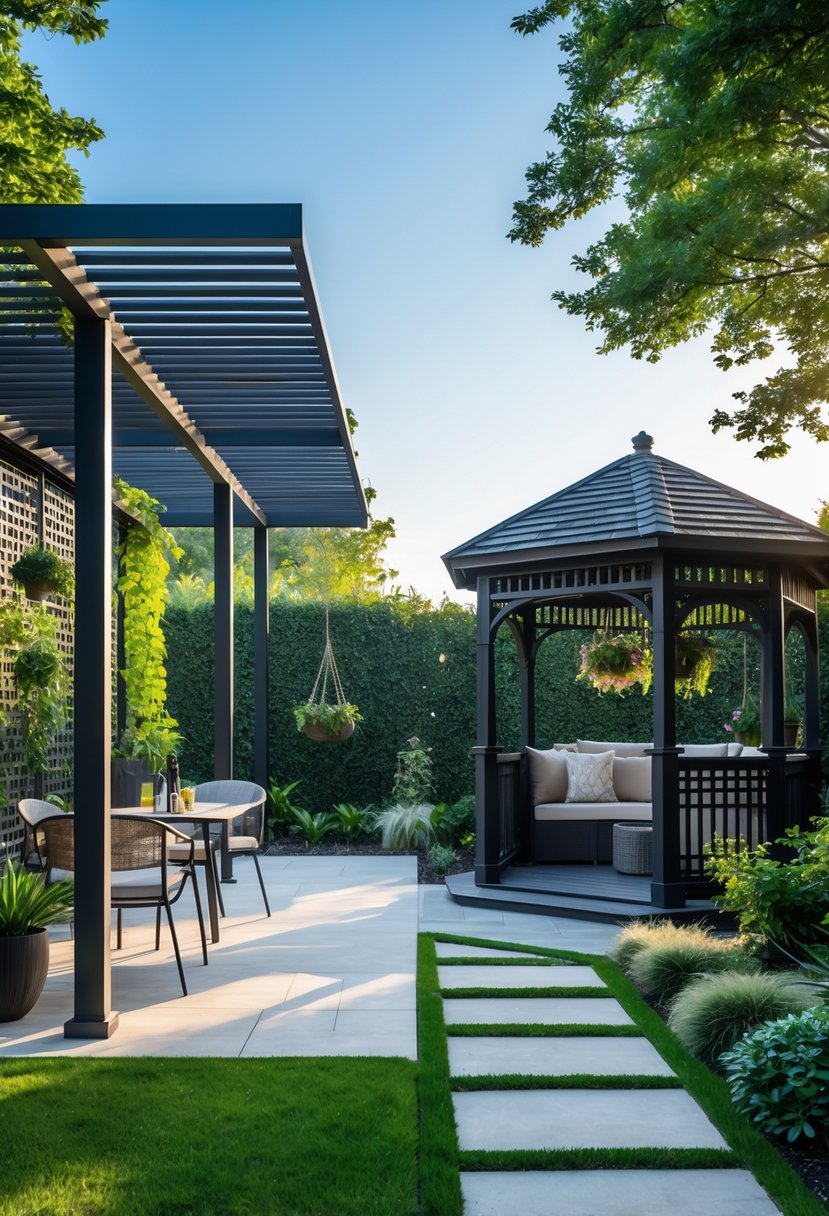
Both pergolas and gazebos offer unique ways to enhance outdoor spaces. Each structure supports different furniture, amenities, and plant choices that shape how the area looks and works for its users. Understanding these details helps in deciding which fits a specific backyard or garden best.
Furniture, Amenities, and Customization
Gazebos usually provide full overhead shelter, making them a great spot for outdoor furniture like dining sets or lounge chairs. They often include railings or even screens for privacy and protection from insects. Some gazebos support ceiling fans, lighting, or hooks for hanging plants and décor. Outdoor kitchens and grills can be placed nearby but rarely inside due to space limits.
Pergolas have an open-beam design that works well with lighter furniture, such as benches, chairs, or small tables. They are easier to customize with curtains, string lights, or retractable canopies. Pergolas can also support outdoor fans or heaters and often act as a frame for adding railings. Their open design limits full weather protection but creates a flexible, airy space.
Plant Integration and Landscaping Impact
Pergolas encourage climbing plants like wisteria, grapevines, or clematis to grow on the beams. These plants provide natural shade and add color and scent. The structure blends well into gardens and landscapes because it emphasizes openness and plant integration.
Gazebos do not typically support heavy climbing plants but can accommodate smaller vines or hanging baskets. Their enclosed shape makes them a solid focal point in yards or near pools. Gazebos create a defined outdoor room that contrasts with the natural flow of gardens, often used as a centerpiece or sheltered seating area.
Cost, Maintenance, and Choosing the Right Structure
Cost and upkeep vary between pergolas and gazebos, impacting the choice for outdoor living spaces. Installation methods and material types also affect expenses, while routine care influences how long each structure lasts.
Cost Comparison and Installation Considerations
Pergolas usually cost less than gazebos because they have a simpler design with open roofs. Prices range from $1,000 to $5,000 depending on size and materials like wood, vinyl, or aluminum. Gazebos often start around $2,500 and can exceed $7,000, as they include a full roof, sometimes walls, and often require stronger foundations.
Installation time varies: pergolas are quicker to build, often taking a day or two with basic tools. Gazebos need more complex assembly and sometimes professional help, adding to labor costs. Permits may be needed for either structure depending on local rules.
Maintenance and Longevity Factors
Pergolas require regular maintenance such as sealing or staining wood every few years to prevent weather damage. Vinyl and aluminum pergolas need less upkeep but should still be cleaned periodically.
Gazebos demand more maintenance due to their enclosed design. Roofs and walls require checks for leaks and damage. Wood gazebos need treatments against rot and insects. With proper care, both structures can last 10-20 years or more, but the level of maintenance impacts durability and appearance.
Conclusion
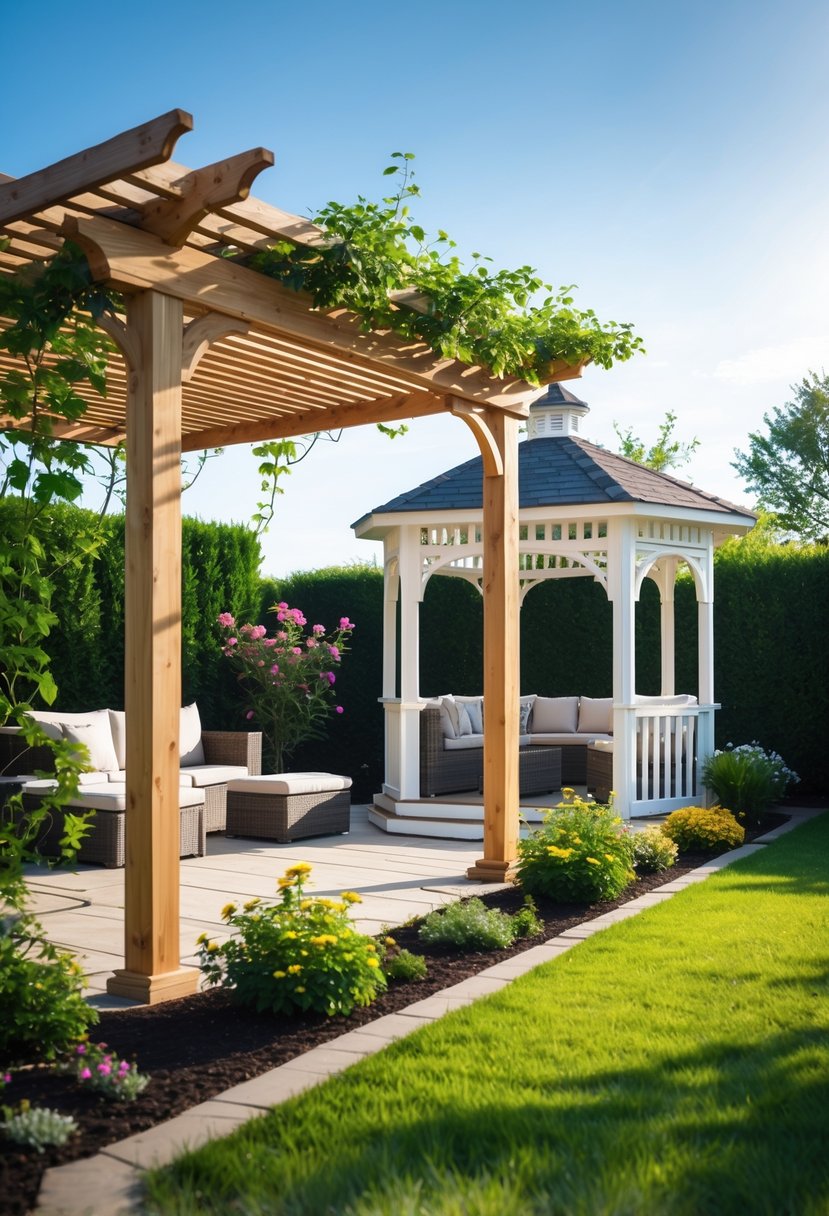
Choosing between a pergola and a gazebo depends on the user’s needs, space, and style preferences. Both add value and beauty to outdoor areas but serve different purposes.
A pergola offers an open, airy design with partial shade. It suits those who want sunlight and fresh air while adding architectural interest. Pergolas often support climbing plants and can be customizable with lighting or screens.
A gazebo provides full shelter with a solid roof and sometimes walls. It is best for users who need protection from sun, rain, or wind. Gazebos also offer more privacy and work well for year-round use or hosting gatherings.
Consider these factors when deciding:
| Pergola | Gazebo |
|---|---|
| Partial shade, open roof | Full shade, solid roof |
| Minimal privacy | More privacy with enclosed sides |
| Limited | Strong protection |
| Generally more affordable | Often more expensive |
| Modern, customizable | Classic, decorative |
The right choice depends on whether the user values openness and light or shelter and privacy. Both structures enhance outdoor living but fit different lifestyles and climates.