13 Cheap DIY Backyard Shed Ideas for Budget-Friendly Storage Solutions
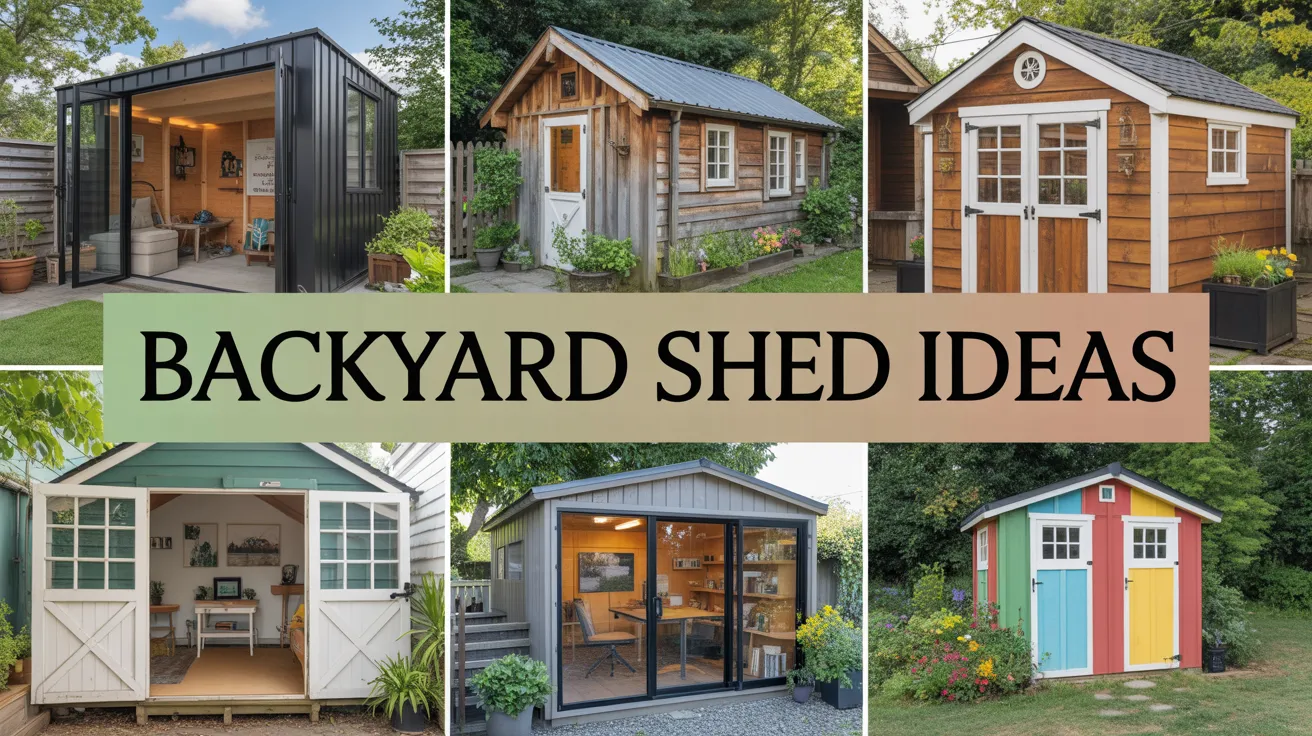
Building a backyard shed can add valuable storage and workspace without spending a lot. Many people look for ways to create functional sheds using simple materials and easy plans. Affordable DIY shed projects make it possible to improve outdoor space without large costs.
These ideas cover a range of styles and sizes to fit different needs and budgets. Whether someone wants extra room for tools, gardening supplies, or hobbies, they can find options that work well. Keeping the project cost low is key for those who want practical solutions without overspending.
Lean-To Shed with Slanted Roof
A lean-to shed is a simple, practical choice for backyard storage. It has one slanted roof that allows water to drain easily. This design uses fewer materials and is easier to build than complex roofs.
The slanted roof helps keep the shed dry by directing rain and snow away. It also creates extra headroom on one side for storage or work space.
Building a lean-to shed starts with a strong frame and a level foundation. The roof’s angle depends on the space and location. It usually leans against an existing wall, saving space and providing stability.
Recycled Pallet Wood Shed
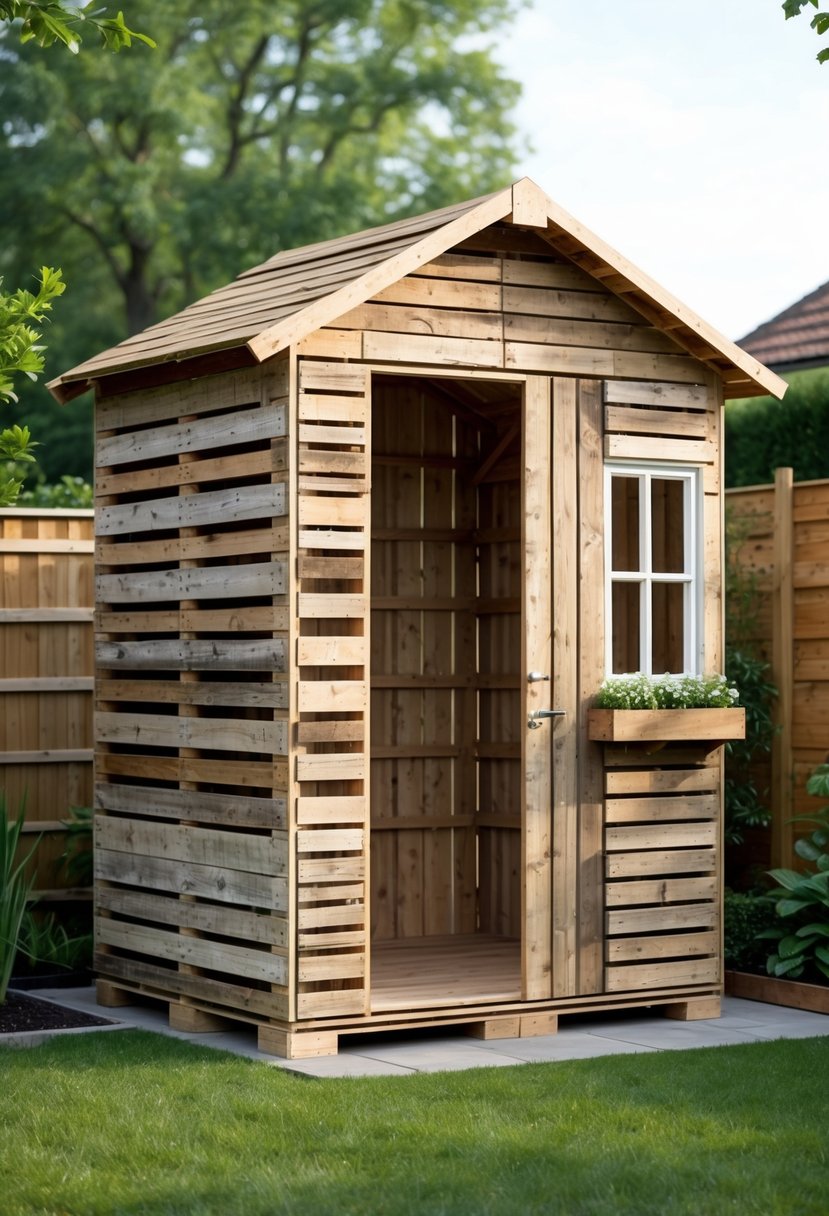
A shed made from recycled pallet wood is an affordable option for backyard storage. Pallets are often free or low-cost and can be found at many local businesses. This makes the project budget-friendly and eco-friendly.
Pallet wood is suitable for building simple sheds to store tools, firewood, or garden supplies. The wood’s rough texture adds a rustic look but may need some sanding and treatment for durability.
Building a pallet shed usually requires basic tools and can be completed in a weekend. Many free plans and guides are available online to help with the steps and measurements.
Compact Potting Shed

A compact potting shed is a smart choice for small backyards. It provides enough space for gardening tools and a workspace without taking up too much room.
These sheds often include shelves and storage for pots, soil, and seeds. They help keep everything organized and easy to reach.
Building a compact potting shed can be affordable. Using simple materials like lumber and recycled wood lowers costs. It also allows customization to fit specific needs.
With a well-planned design, the shed can have windows for natural light. This makes it a pleasant place to work and care for plants.
Metal Garden Shed Kit
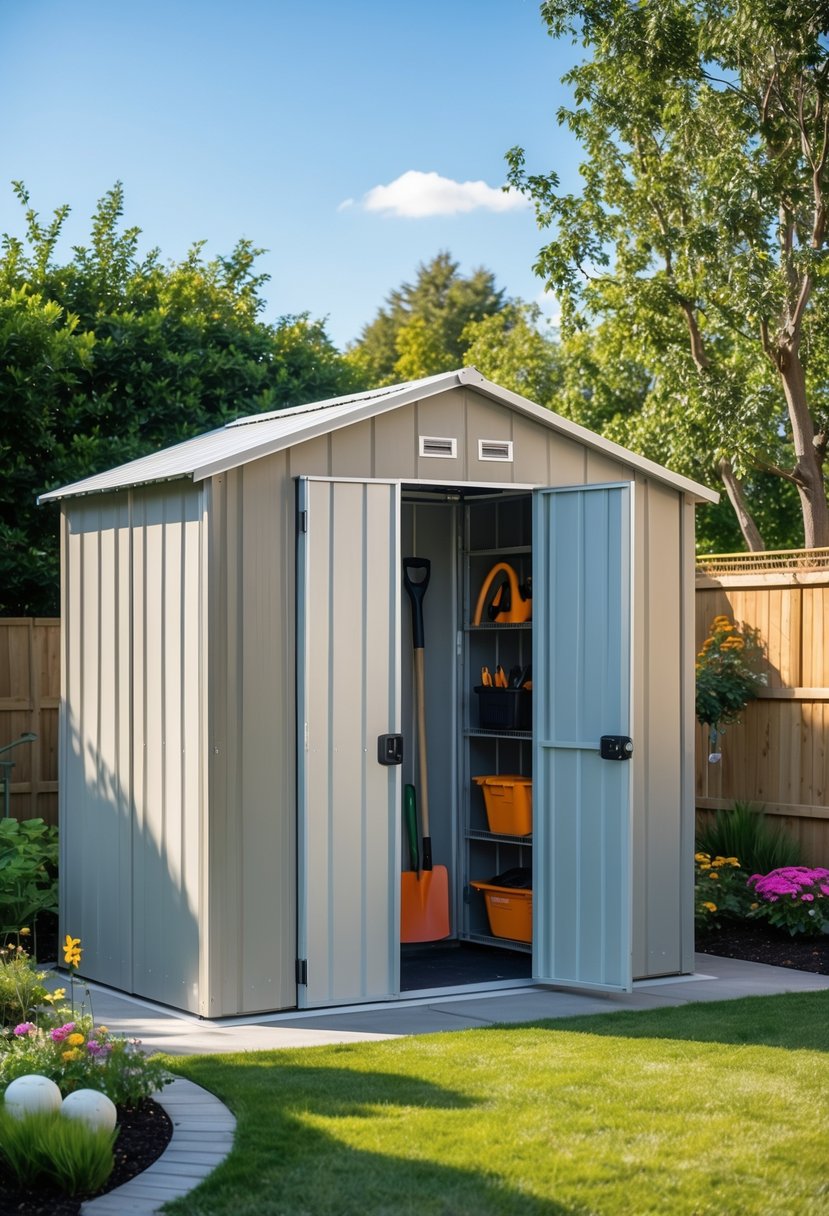
A metal garden shed kit offers a quick and affordable way to add storage space in the backyard. These kits usually come with all the parts pre-cut, making assembly easier for one or two people.
They are often made from steel, which means the shed is durable and low maintenance. Some kits cost just over $100, making them budget-friendly options.
While some people find assembling the kits straightforward, others say the instructions can be confusing. Still, metal sheds are popular because they protect tools from weather and last for years.
DIY Wooden Frame Shed
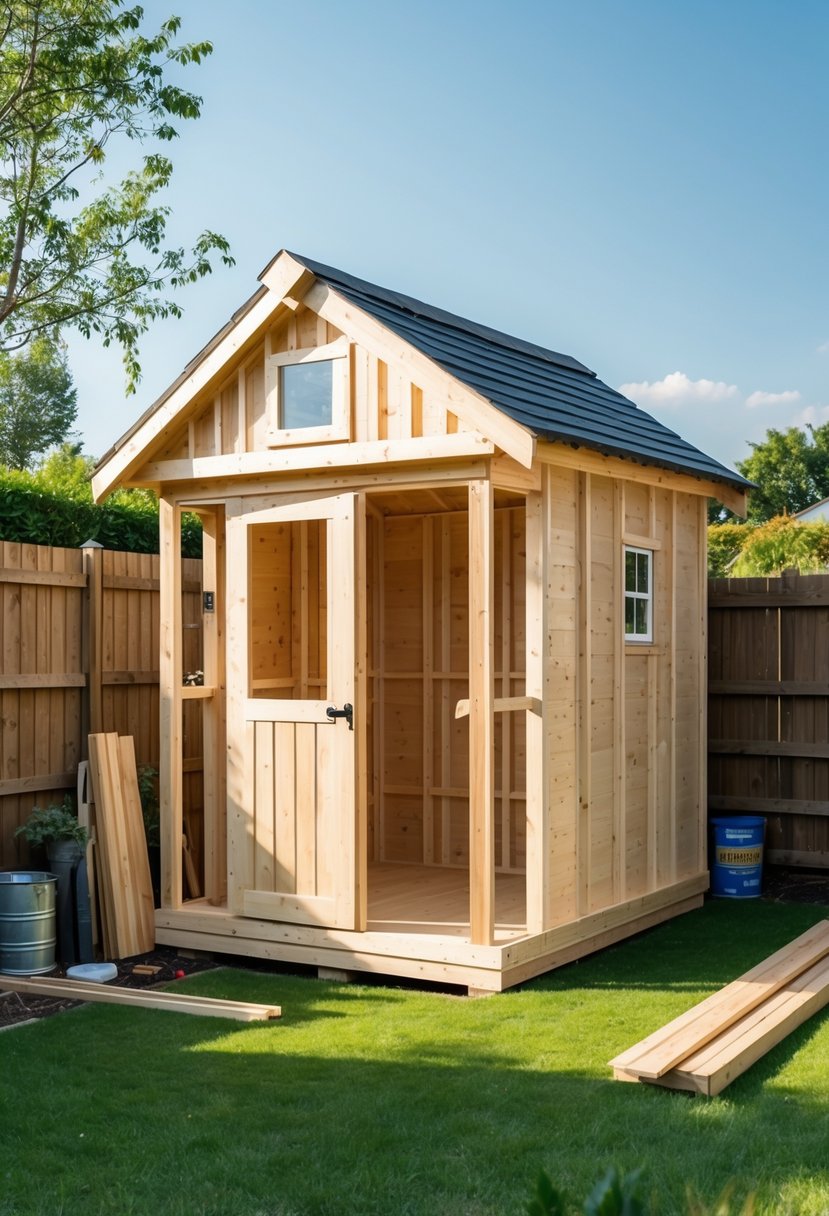
Building a wooden frame shed is a cost-effective way to add storage space. The frame usually uses 2×4 lumber, which is easy to find and work with.
The builder starts by creating a strong base and then frames the walls. After the frame is complete, they cover it with siding or panels for protection.
This type of shed can be customized in size and design. It can be simple or include windows and doors. Wood is durable when properly treated and maintained.
She Shed with Skylights
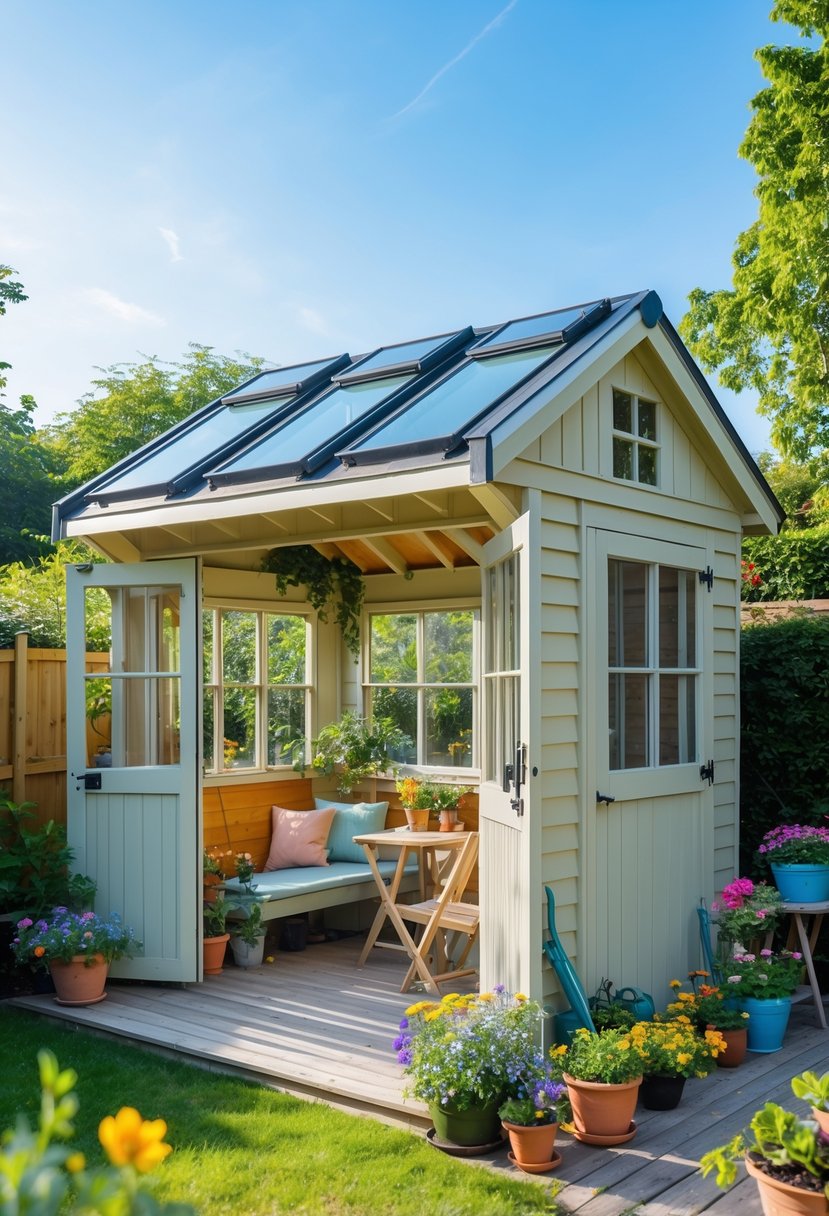
A she shed with skylights brings natural light into the space, making it bright and welcoming. Skylights help reduce the need for electric lighting during the day.
Installing a French door along with skylights creates an airy feel that connects the shed to the outdoors. This design works well for a quiet retreat or workspace.
Building skylights can increase the cost slightly, but they add value and comfort. Proper placement ensures good light without too much heat or glare.
Storage Shed with Sliding Doors
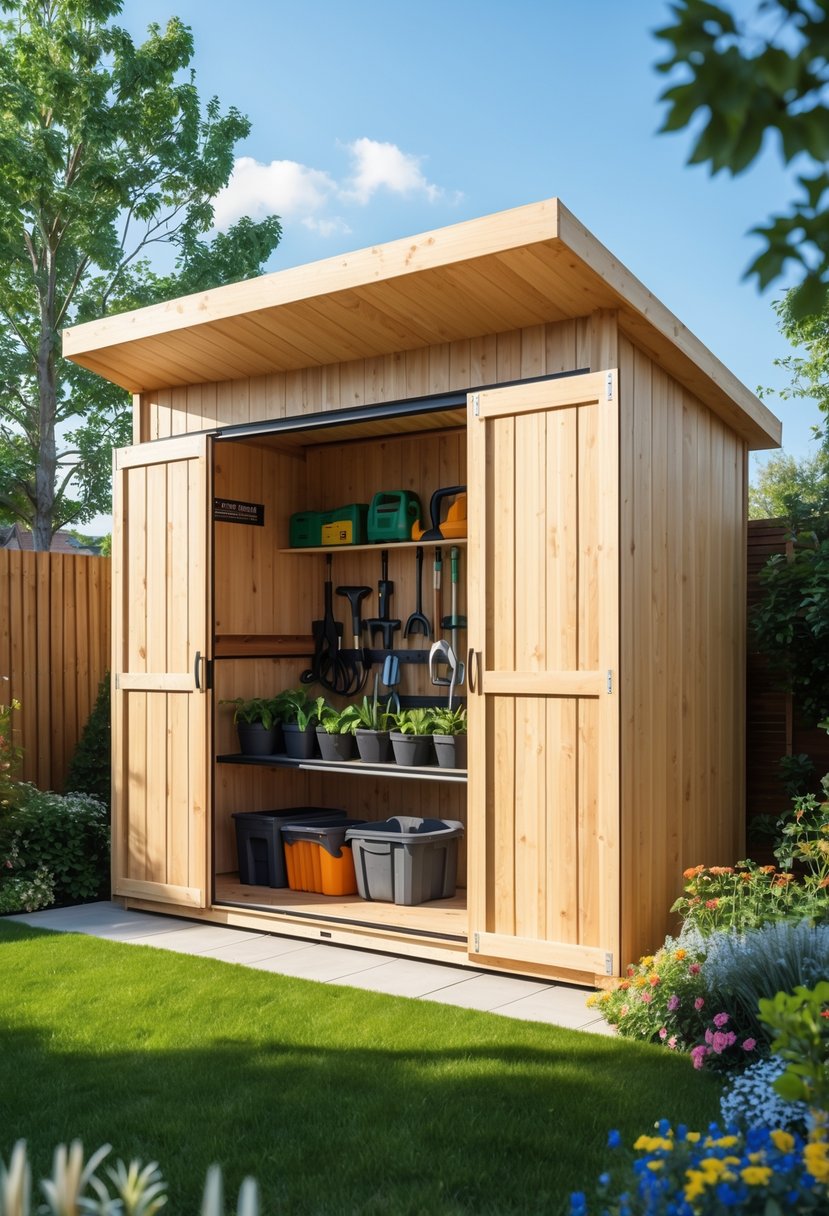
Sliding doors save space because they do not swing open. This makes them a great option for small yards.
Building sliding doors takes more effort than hinged doors. They require a track or runner system to slide smoothly. Some DIY builders use skateboard wheels and steel bars for this.
Sliding doors can look neat and modern. They also make accessing tools and equipment easier without blocking walkways.
Pre-Cut Lumber Shed Kits
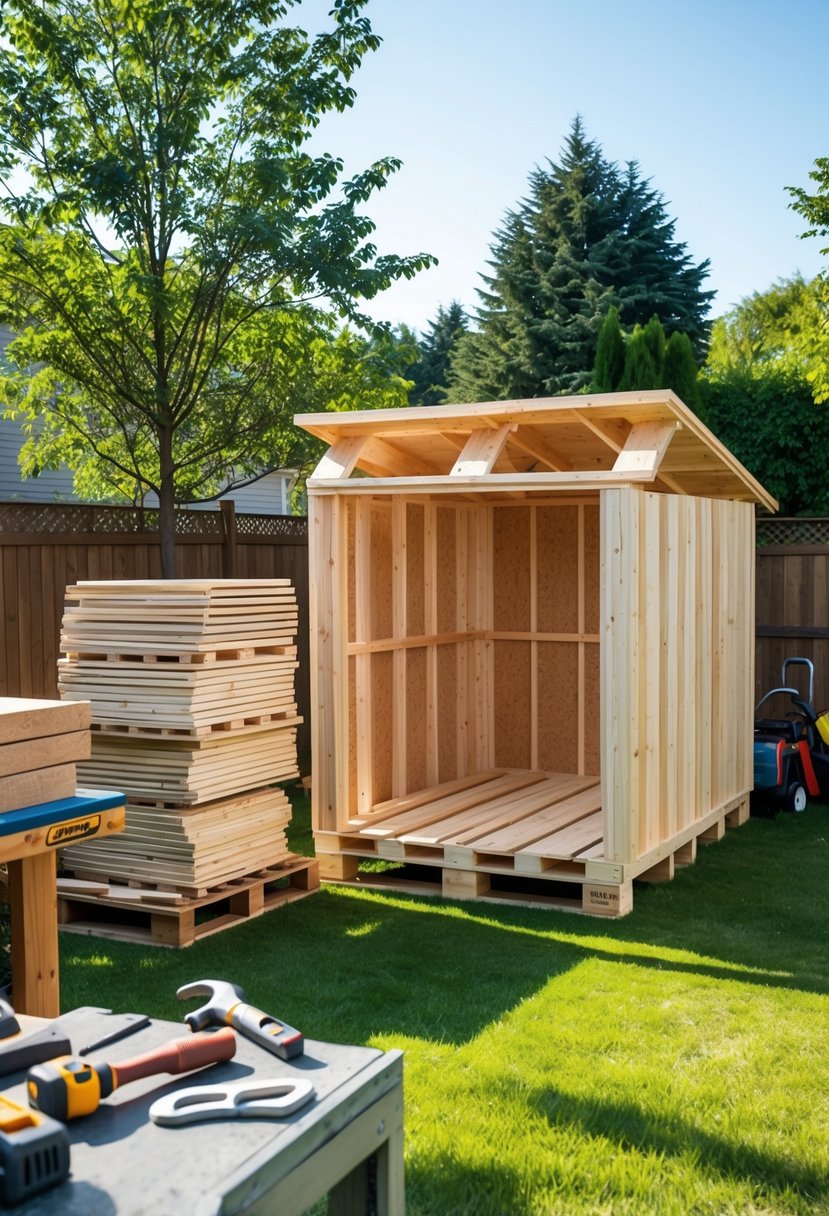
Pre-cut lumber shed kits come with all the pieces cut to size and labeled. This makes building faster and easier. Most kits include walls, floors, roofs, doors, and hardware needed for assembly.
They help reduce mistakes and save time on measuring and cutting wood. These kits often come with clear instructions designed for people with little experience.
Buyers can find kits with different sizes and styles. Many brands offer free delivery, and some let buyers customize features like shelves or lofts.
Shed with Ramp for Lawn Equipment
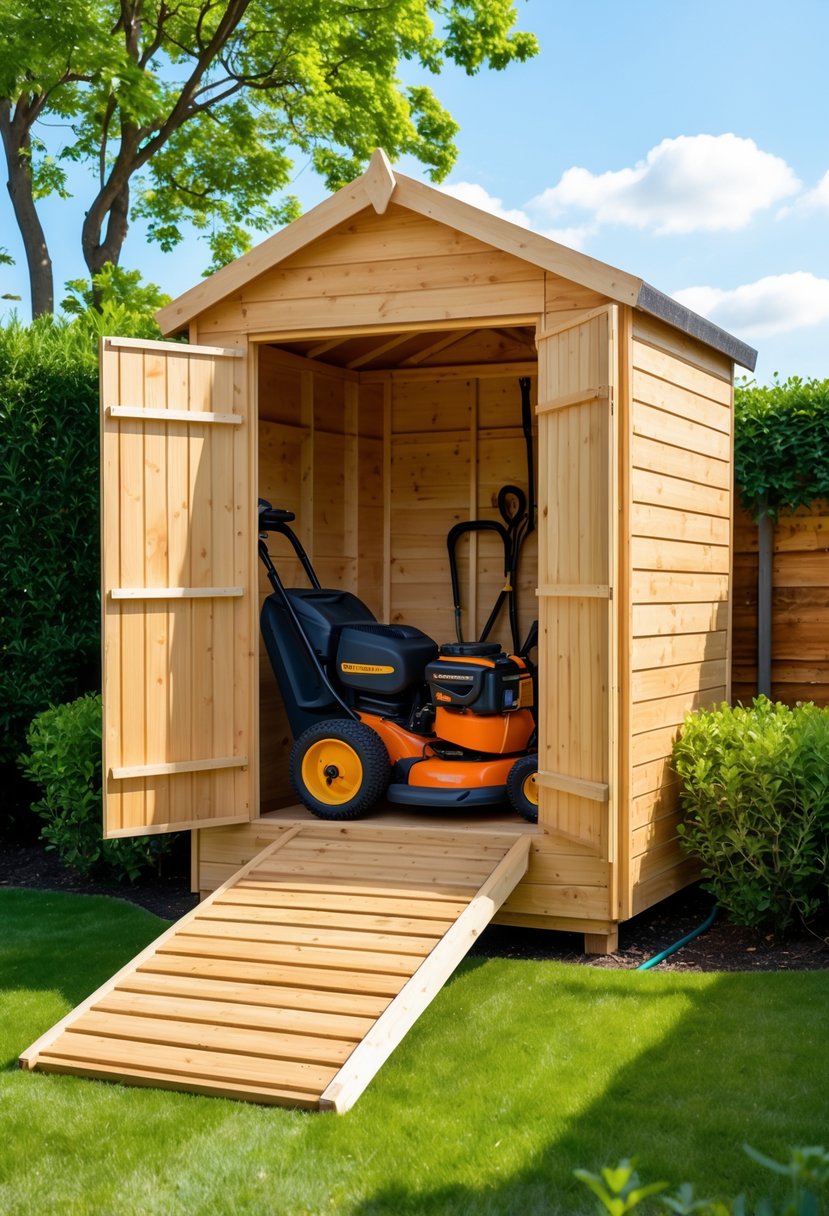
A shed with a ramp makes it easier to store and access heavy lawn equipment. The ramp allows smooth movement without lifting bulky items like lawnmowers or wheelbarrows.
Building a ramp requires attaching a strong ledger board to the shed. Then, a sturdy frame and deck boards are added to support weight safely.
This setup also helps prevent damage to equipment by reducing wear from frequent lifting. It is practical, especially when the shed floor is higher than ground level.
Small Gable Roof Shed
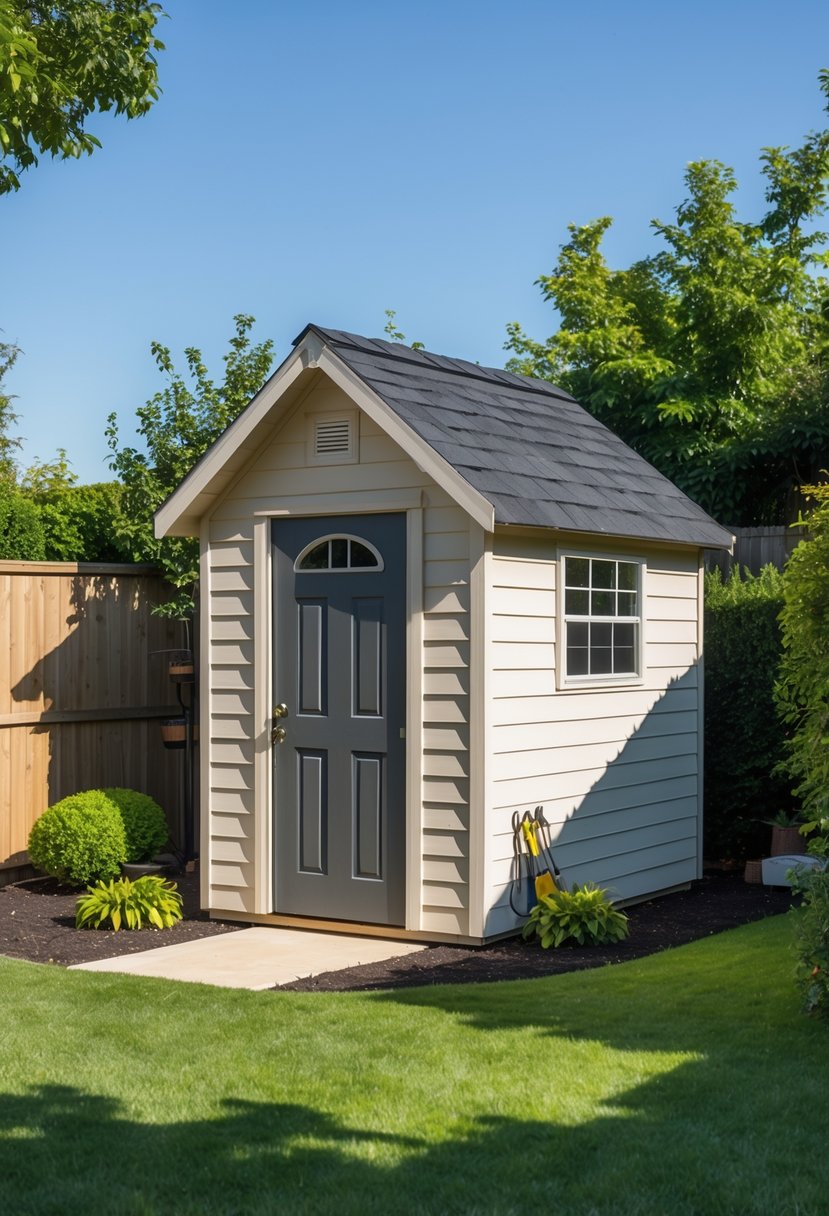
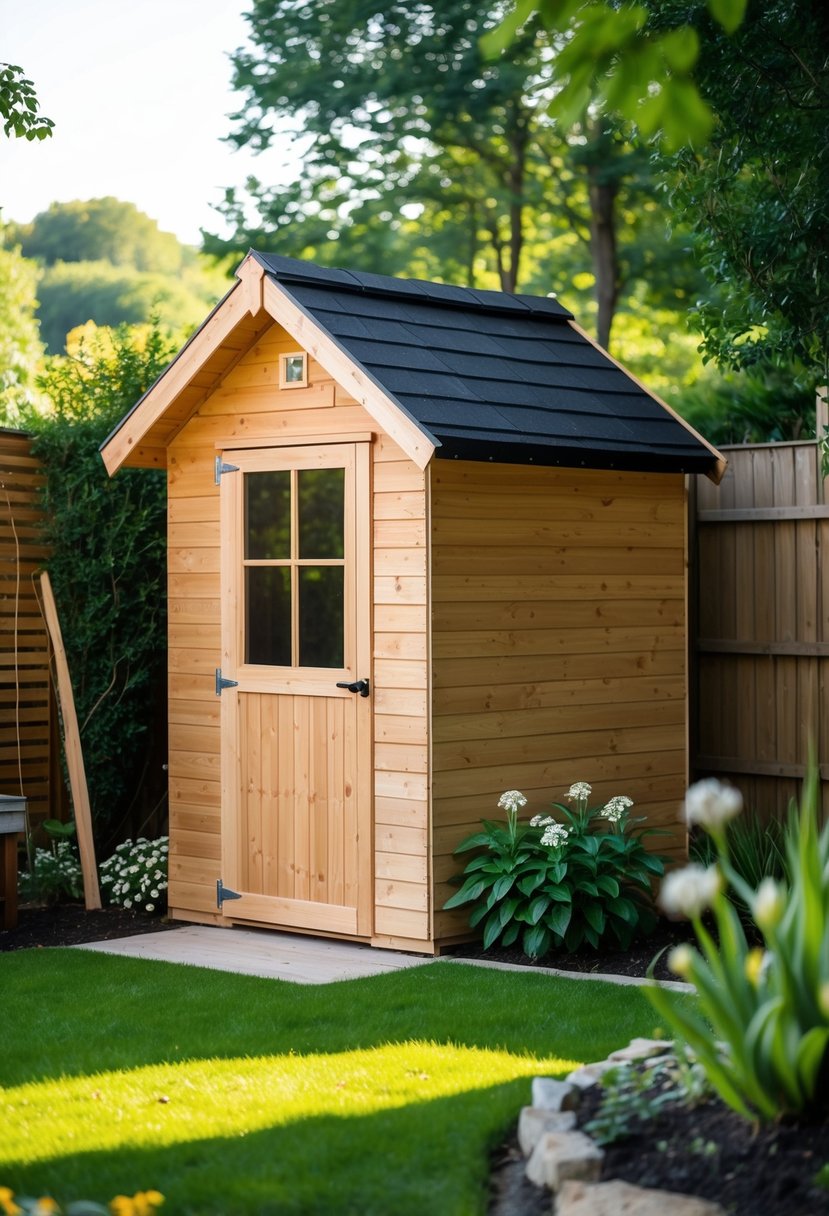
A small gable roof shed is a practical and simple option for backyard storage. It features a classic peaked roof that helps water and snow slide off easily. This design is easy to build and uses common tools and materials.
It often measures around 6×8 or 8×14 feet, providing enough space for tools and garden supplies. The gable roof allows good headroom inside, making it comfortable to store larger items. Building one can be affordable with careful material choices.
Corner Shed for Limited Spaces

A corner shed is a smart choice for small yards. It fits neatly into unused corners, making the most of tight spaces. This design helps keep the yard open while adding useful storage.
Building a corner shed requires careful planning, especially for the roof. The roof may need custom angles to match the shed’s shape. Using concrete pavers or blocks to level the base can improve stability.
Corner sheds work well for storing garden tools, hoses, and outdoor gear. Their compact design makes organization easier without taking up much space.
Multipurpose Studio Shed
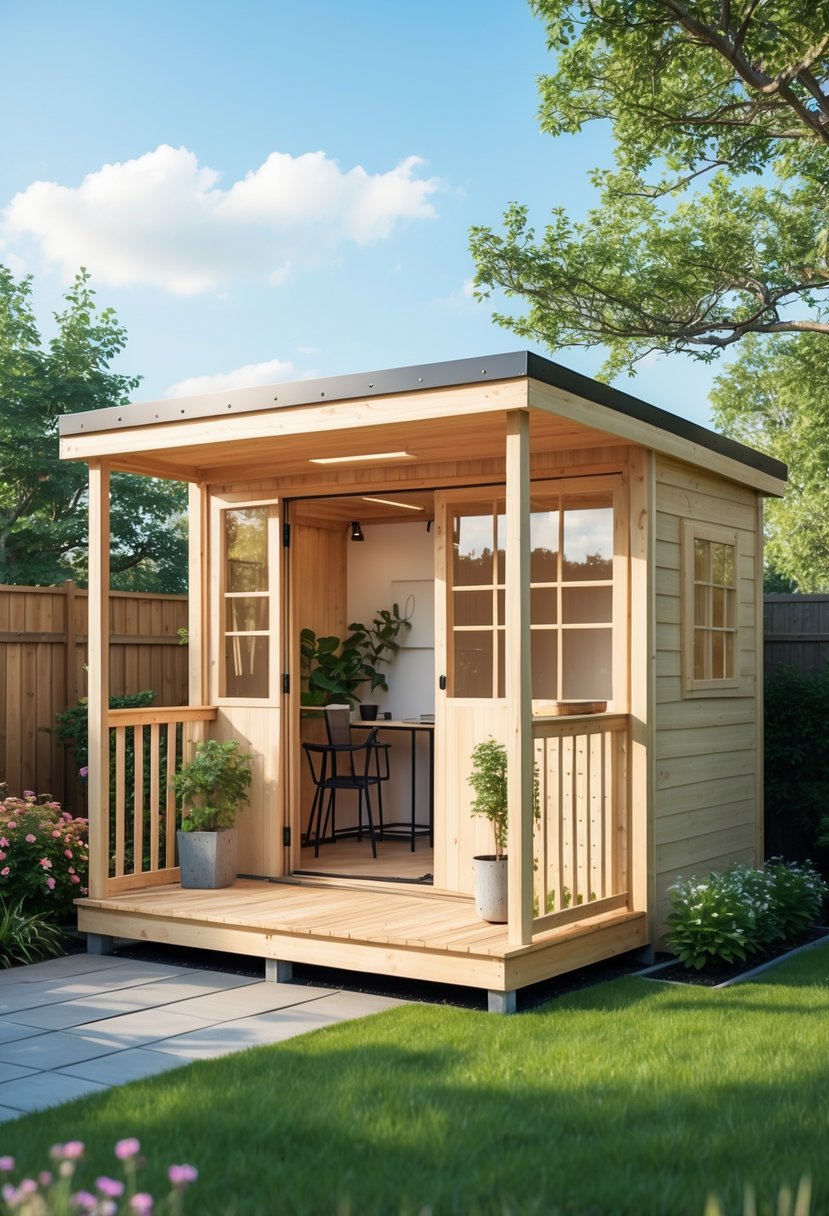
A multipurpose studio shed offers flexible use. It can serve as a workspace, hobby room, or extra storage.
This type of shed often includes simple designs for easy customization. Adding windows brings in natural light, making the space more inviting.
Many people use these sheds as art studios, home offices, or guest rooms. Their small size fits well into most backyards without taking too much space.
Building one with affordable materials keeps costs low. It provides a practical and stylish way to improve backyard function without major construction.
Shed with Built-In Shelving
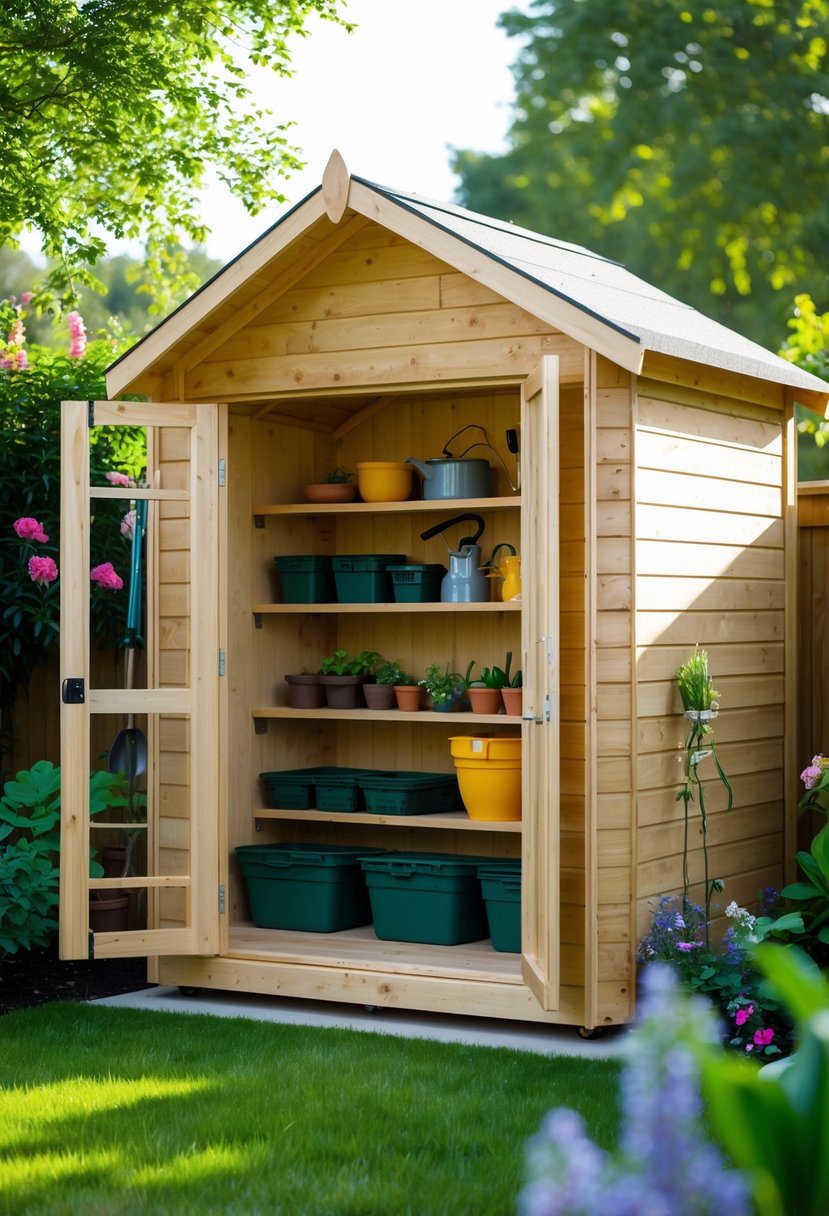
A shed with built-in shelving adds extra storage without taking up floor space. It helps organize tools, garden supplies, and other items neatly.
Building shelves inside the shed can be done using affordable wood like plywood or 2×4 boards. Shelves can be simple planks supported by brackets or framed for more strength.
This design makes it easier to find items and keeps the shed tidy. It also maximizes the use of vertical space, which is often wasted in small sheds.
Maintenance and Longevity

Keeping a backyard shed in good shape requires careful attention to its protection from the elements and regular checks to catch any issues early. Both weatherproofing and routine care play key roles in making the shed last.
Weatherproofing Your Shed
Proper weatherproofing starts with choosing the right materials. Using treated wood or weather-resistant panels prevents rot and decay. Applying a weatherproof sealant or exterior paint adds an extra layer of defense against moisture.
The roof needs special care. Installing a durable roofing material like metal or shingles stops leaks. Gutters can help direct rainwater away from the base, reducing water damage.
Sealing gaps around windows and doors with weatherstripping or caulk keeps out drafts, rain, and pests. Ventilation also matters to avoid mold; vents help air circulate and reduce moisture inside the shed.
Routine Inspections and Upkeep
Regular inspections help catch problems before they turn serious. Checking for cracks, loose boards, or signs of water damage every few months is important. Focusing on corners, the roof, and the floor where issues often begin is effective.
Cleaning the shed’s exterior clears dirt and debris that can trap moisture. Clearing gutters and inspecting the foundation keep water from pooling around or under the shed.
Replacing damaged parts promptly, like broken shingles or cracked panels, keeps the structure intact. Lubricating door hinges and locks ensures smooth operation and prevents rust buildup.
Conclusion
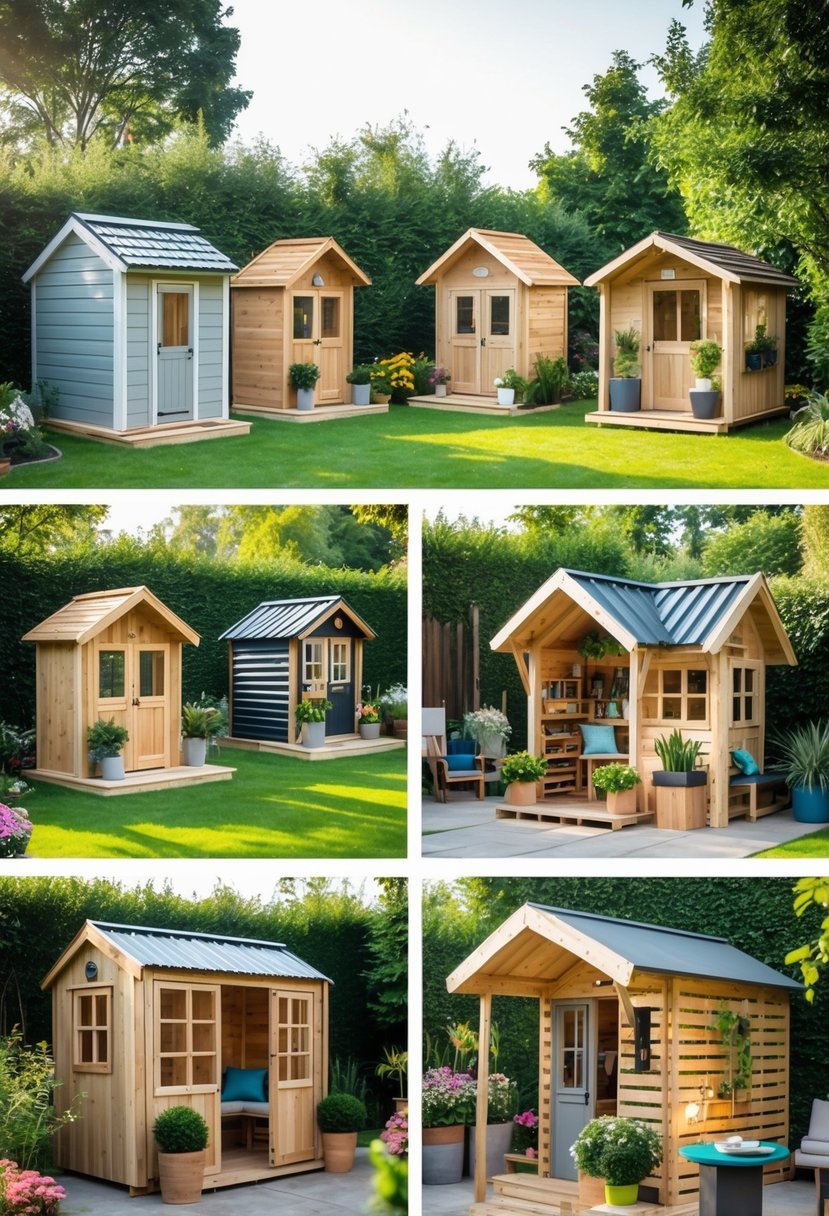
Building a backyard shed on a budget is achievable with the right plans and materials. These 13 ideas offer practical options for different needs and skill levels.
Many DIY projects use affordable, easy-to-find materials that save money without cutting quality. Proper planning and following clear instructions help ensure a sturdy, useful shed.
Choosing the right design depends on available space, storage needs, and skill. From simple lean-to sheds to modular builds, options can fit any yard.
Taking time to compare materials and tools helps keep the project cost low. Reusing materials or buying secondhand can lower expenses further.
Organizing steps ahead of time reduces mistakes and delays. Keeping the project simple and manageable saves time and energy.
Using basic tools and common materials allows beginners to complete many of these projects. Experienced builders can customize or expand designs as needed.
In the end, a budget-friendly shed adds valuable storage and work space. It also provides satisfaction from creating a useful outdoor structure with your own hands.