15 English Garden Ideas to Enhance Your Outdoor Space with Timeless Charm
English gardens are known for their natural beauty, combining both structure and a relaxed, charming atmosphere. They often feature a mix of colorful flowers, winding paths, and classic design elements that create a peaceful outdoor space.
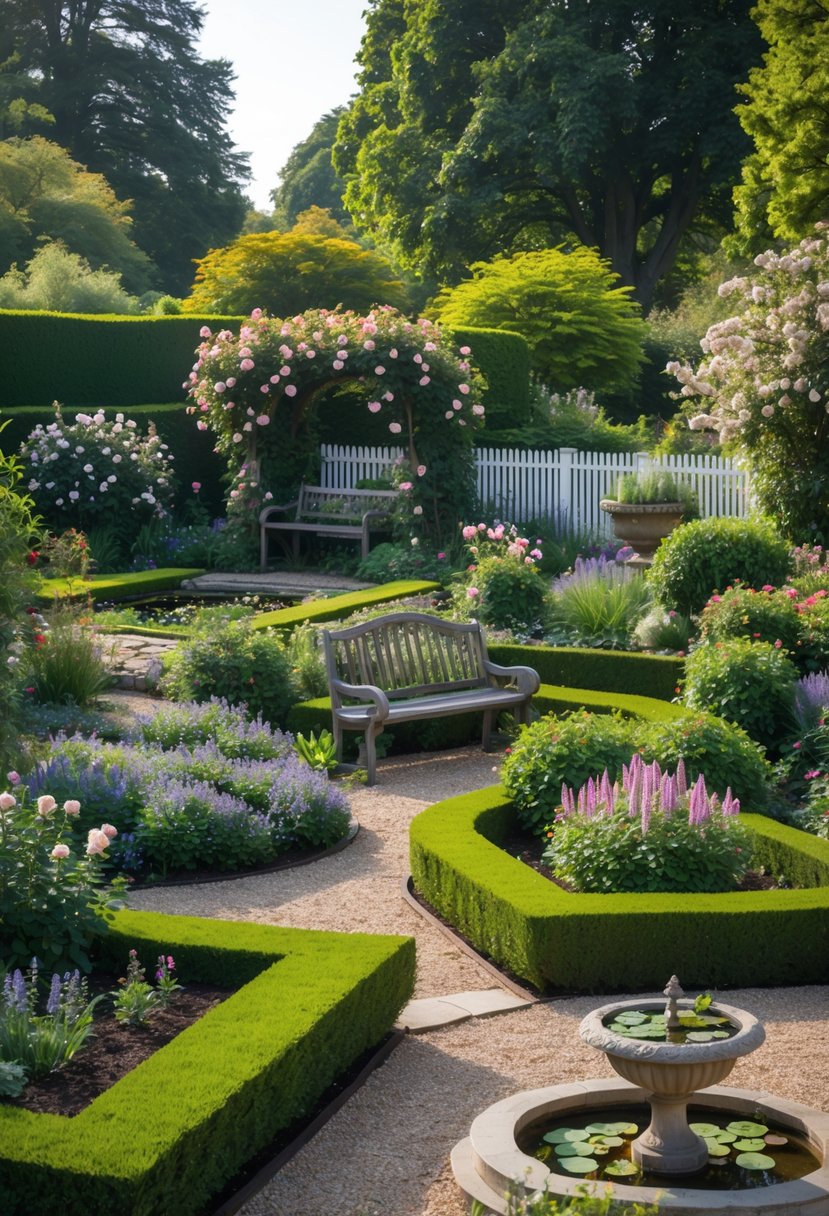
These 15 English garden ideas offer practical ways to bring this timeless style into any garden, helping to create a welcoming and elegant environment. Whether someone is new to gardening or experienced, these ideas can inspire creativity and enhance the look of an outdoor area.
Formal hedging to define garden rooms
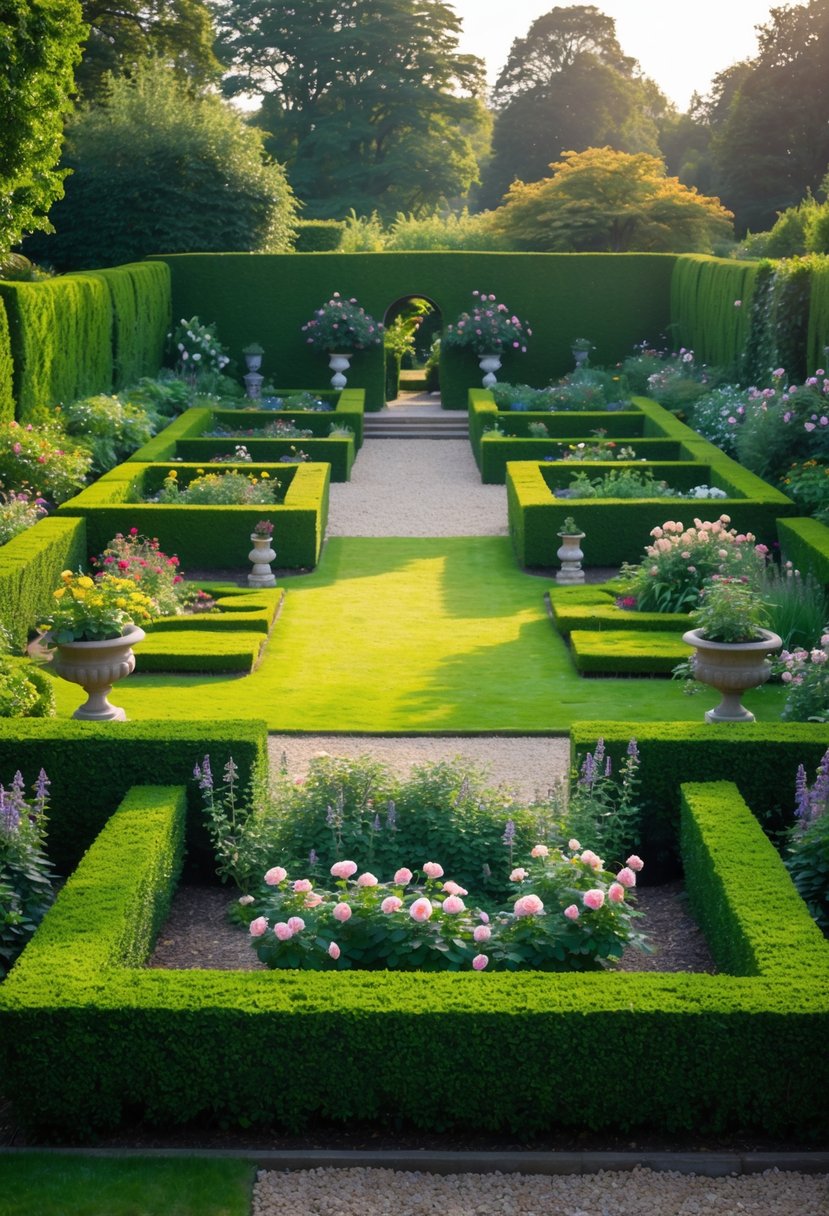
Formal hedging uses neatly trimmed plants like boxwood or yew to create clear borders in the garden. This helps divide the space into separate garden rooms with different purposes.
These garden rooms can feel like outdoor rooms, each with its own theme or style. Walls of hedges give structure and order, making the garden look organized.
The contrast between rigid hedges and softer plants adds visual interest. Using hedges as walls also provides privacy and shelter within the garden.
Large drifts of bright perennials

Large drifts of bright perennials are a key feature in English gardens. They create bold splashes of color that catch the eye. These groupings help define garden spaces and add a sense of flow.
Perennials like delphiniums, asters, and echinacea provide a mix of colors and heights. Their blooms last through multiple seasons, ensuring continuous interest. Planting in clusters makes the garden feel natural and lush without strict formality.
Climbing roses on trellises or walls
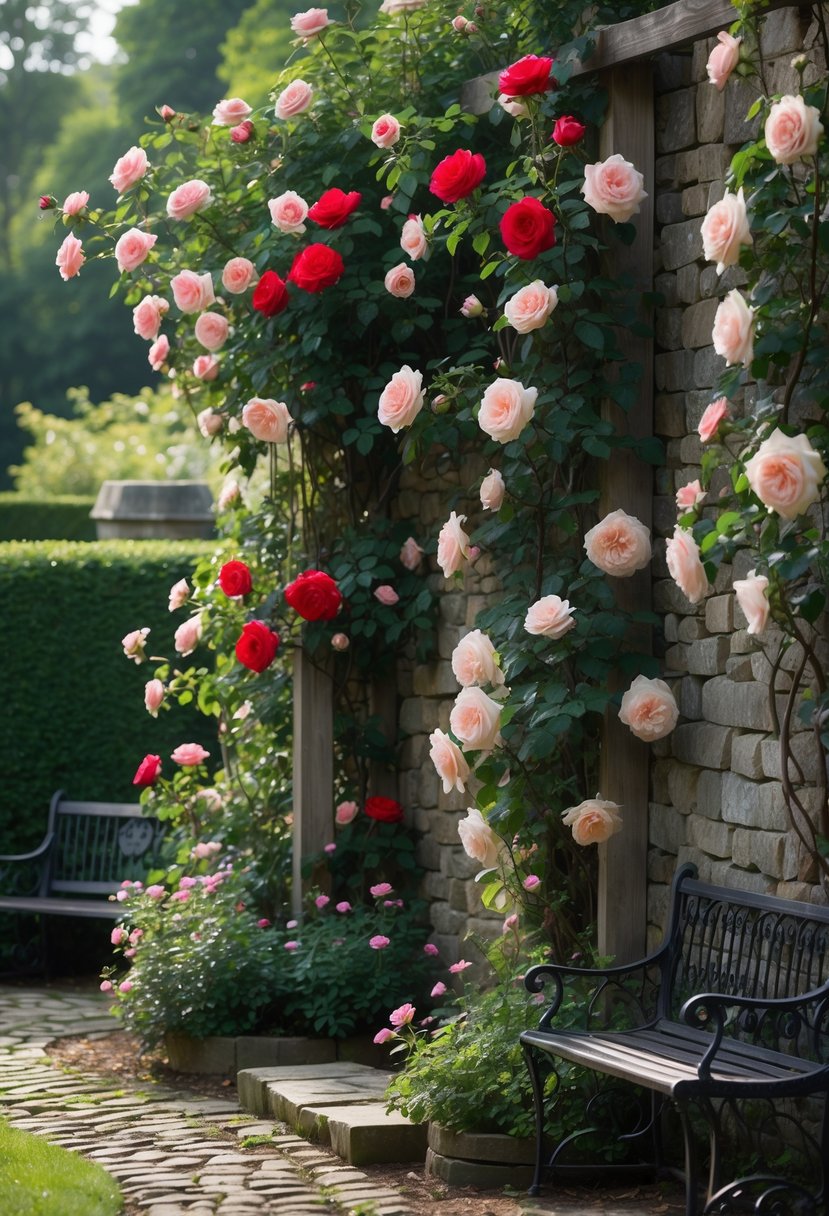
Climbing roses add height and charm to any English garden. They can grow on trellises, walls, or arbors, creating a classic and elegant look.
Trellises give roses a structure to climb, making it easier to care for and shape the plants. Walls covered in climbing roses bring color and fragrance to outdoor spaces.
Proper pruning and training help the roses grow evenly. This enhances their blooms and keeps the garden tidy. Climbing roses work well with pathways or doors, adding a welcoming touch.
Foxgloves planted at the back border

Foxgloves work well when planted at the back border of an English garden. Their tall spires add height and structure, making them a natural backdrop for shorter plants.
They thrive best in partial shade and moist, well-drained soil. Mixing various colors can bring a dynamic look, but care should be taken as foxgloves are poisonous.
Planting them away from children and pets is important. Their bell-shaped flowers attract bees, supporting garden pollinators while enhancing the garden’s charm.
Herbaceous borders with mixed textures
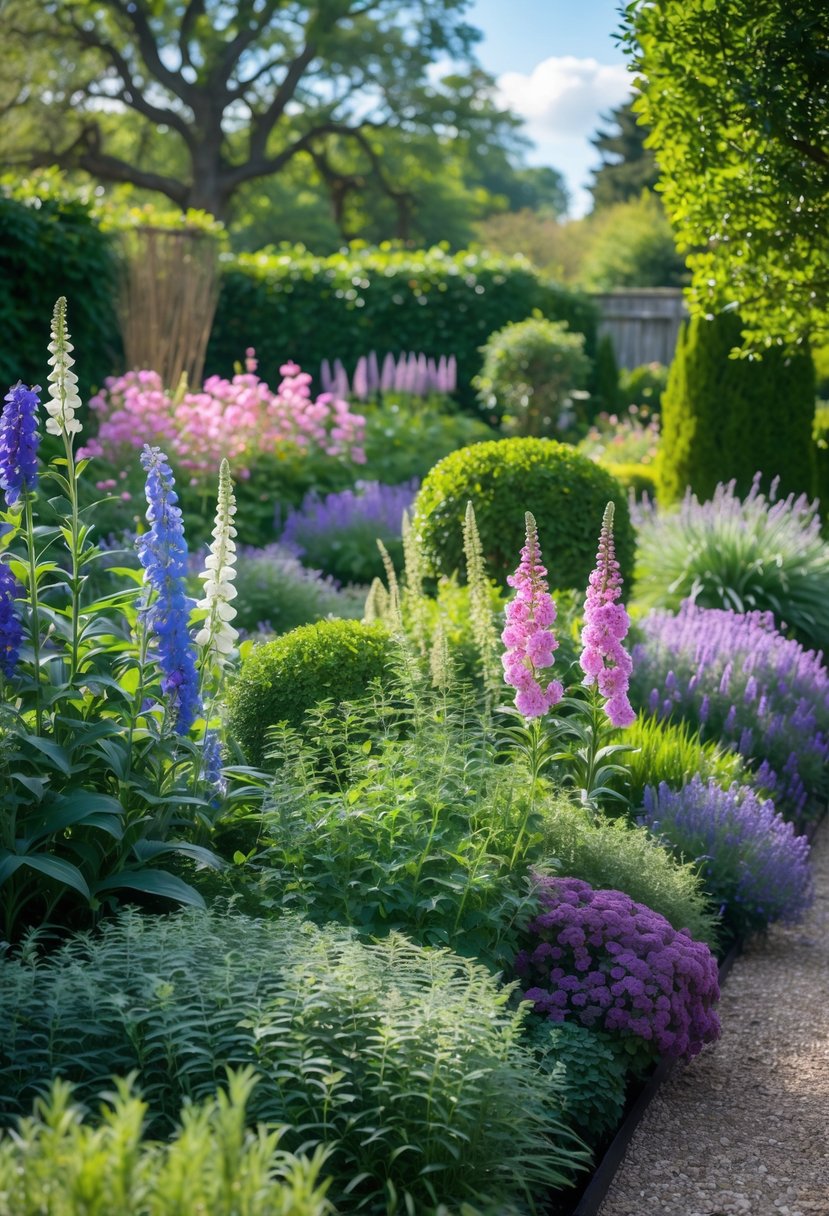
Herbaceous borders are a key feature in English gardens. They use a variety of perennials to create layers of color and texture.
Mixing plants like delphiniums, asters, and echinacea adds height and shape differences. This variety keeps the border interesting throughout the seasons.
Combining soft leaves with rough or spiky textures creates contrast. This makes the garden feel full and dynamic without being overwhelming.
Careful planning ensures that flowers bloom at different times. This extends the visual appeal from spring through fall.
Tumbling roses for romantic effect
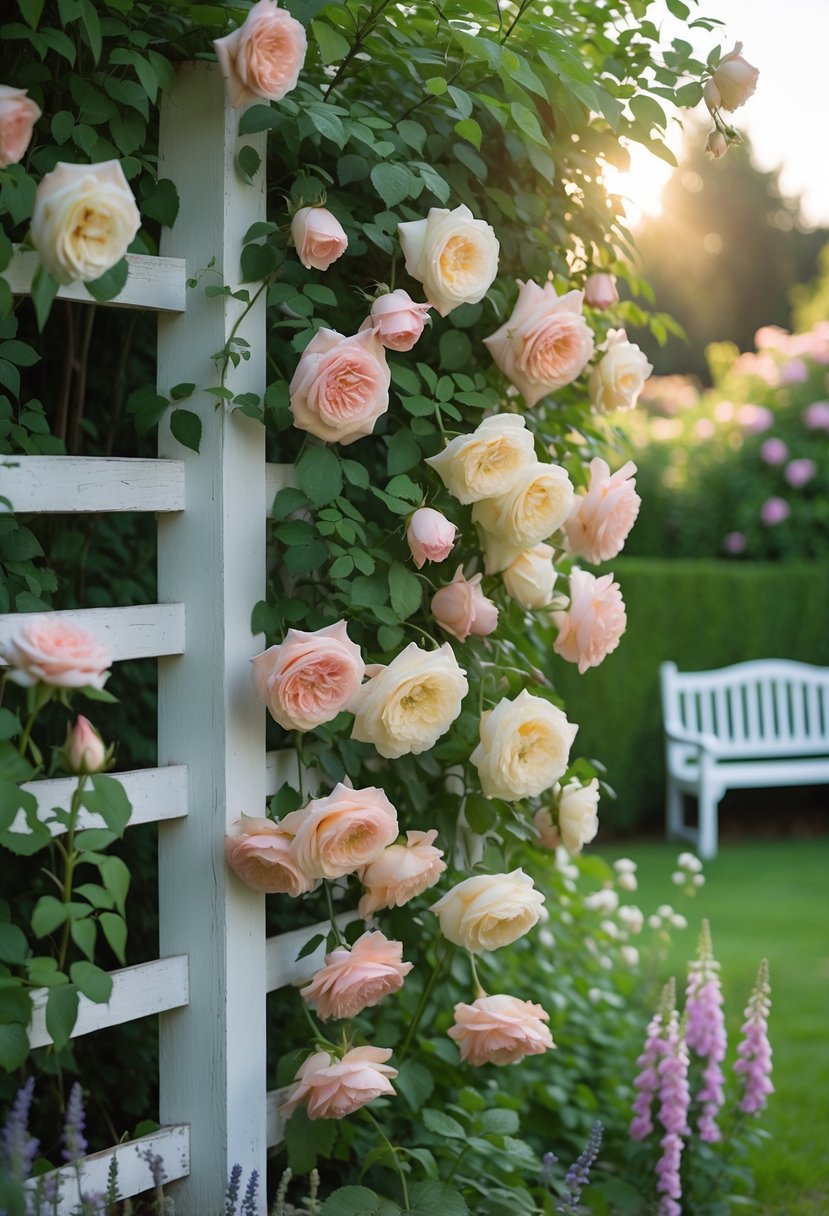
Tumbling roses create a soft, natural look in an English garden. They climb over fences, trellises, and arches, adding height and charm. Their loose, flowing growth feels relaxed yet elegant.
These roses work well with rustic wooden supports. They blend smoothly with other plants like foxgloves and catmint. This mix adds texture and color without looking forced.
Choosing climbing varieties with fragrant blooms enhances the garden’s romantic feel. The scent draws attention and creates a calming atmosphere. Tumbling roses are a simple way to add beauty and grace.
Wildflowers like aquilegia and penstemon
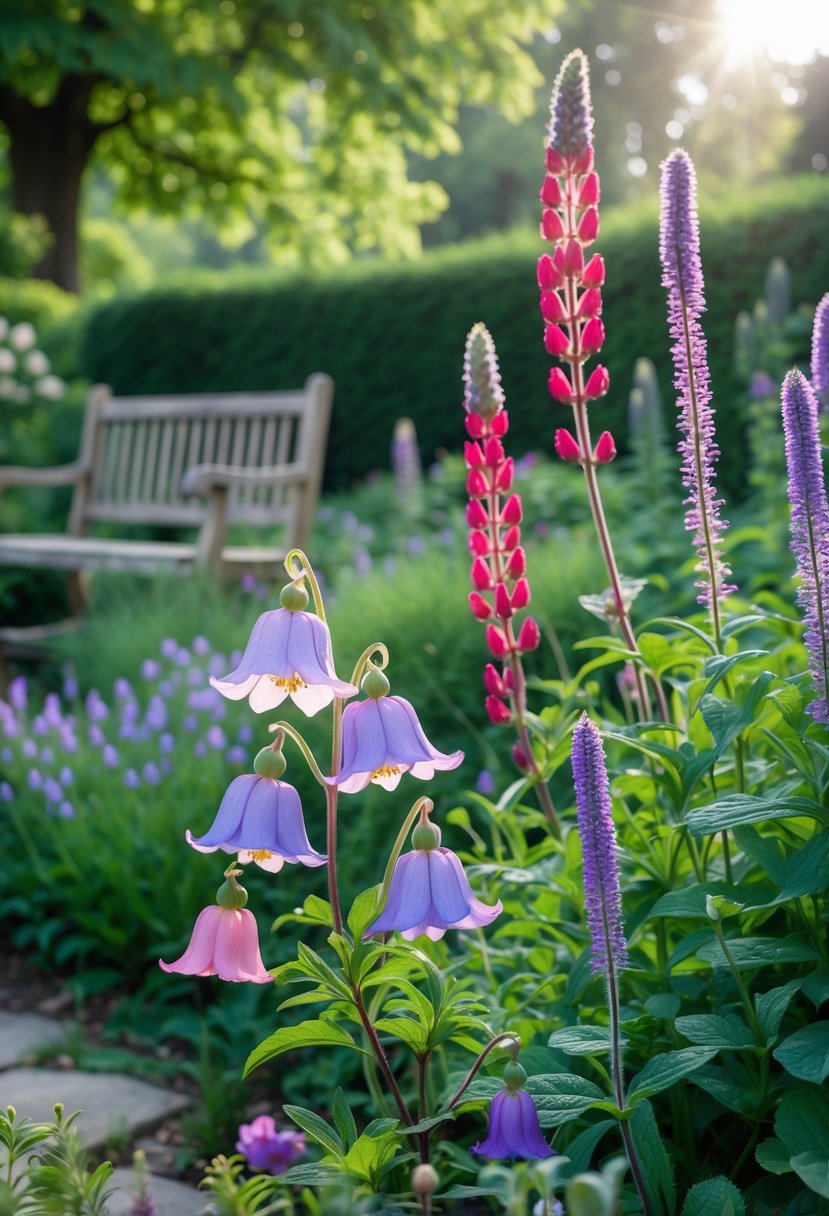
Aquilegia, also called columbine, is a classic choice for English gardens. It adds delicate, bell-shaped flowers that come in many colors. This plant grows well in cooler climates and fits cottage-style borders.
Penstemon is another wildflower that suits English garden designs. It produces tall spikes of tubular flowers that attract pollinators. Penstemon thrives in sunny areas with well-drained soil.
Both plants bring a natural, relaxed feel to the garden. They blend well with other flowers and shrubs. Using these wildflowers helps create an informal, charming look without much upkeep.
Groundcover plants like creeping thyme

Creeping thyme is a popular groundcover in English gardens. It grows low and spreads, creating a soft, green carpet.
This plant is valued for its hardiness and low maintenance. It can handle foot traffic, making it a good choice for garden paths and small lawns.
Creeping thyme also produces small flowers that add subtle color and attract pollinators. It helps reduce weeds and holds soil in place.
Because it needs little water and care, it suits gardens aiming for a natural look without heavy upkeep.
Weathered wood elements as rustic accents
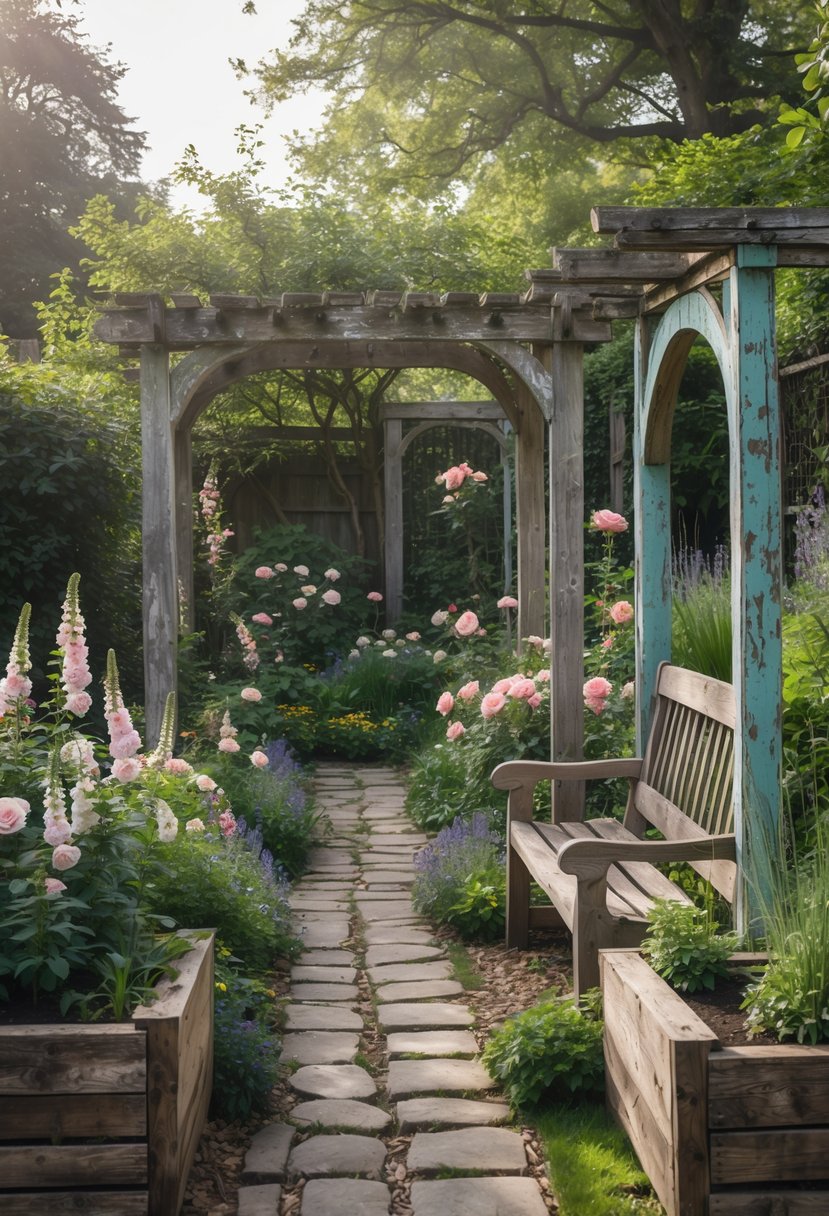
Weathered wood adds a natural, aged look to an English garden. It brings texture and warmth without feeling new or perfect. Garden features like wooden planters, benches, or trellises fit well into rustic designs.
Using twisted or rough wood enhances the organic feel. These elements work well alongside stone paths or clay pots. They help create a relaxed, inviting atmosphere.
Recycled wood pieces show character and history. They blend easily with wildflowers and vintage details. This makes the garden feel timeless and connected to nature.
White garden with white-flowering plants

A white garden focuses on plants that bloom in shades of white, creating a calm and elegant space. It often combines white flowers with green and silver foliage to add texture and depth.
Popular choices include hydrangeas, roses, peonies, and tulips. These plants bloom at different times, keeping the garden interesting throughout the year.
White-flowering trees like Dogwood or Serviceberry can serve as focal points. Low borders of white flowers help define garden paths or patio edges clearly.
This style suits both classic and modern English gardens, offering a timeless look that fits many garden designs.
Color-themed planting schemes

Color-themed planting schemes help create mood and style in an English garden. Choosing a limited palette, like soft pastels or bold reds, brings a sense of harmony and focus.
Using different shades of the same color adds depth without overwhelming the space. Combining contrasting colors can create lively areas that catch the eye.
Plant texture and height also enhance color schemes. Mixing flowers with different shapes and sizes keeps the garden balanced and interesting. These schemes allow gardeners to express personality while maintaining classic English garden charm.
Classic English garden benches

Classic English garden benches often use wood, like oak or teak, for durability and natural beauty. These benches usually have simple slatted seats and backs, fitting well with the garden’s relaxed style.
Some benches include decorative metalwork or carved details. They add charm without standing out too much.
Benches are placed to offer quiet spots for rest and to enjoy the garden’s view. Cushions or weather-resistant fabrics may improve comfort while keeping the traditional look.
Naturalistic winding pathways
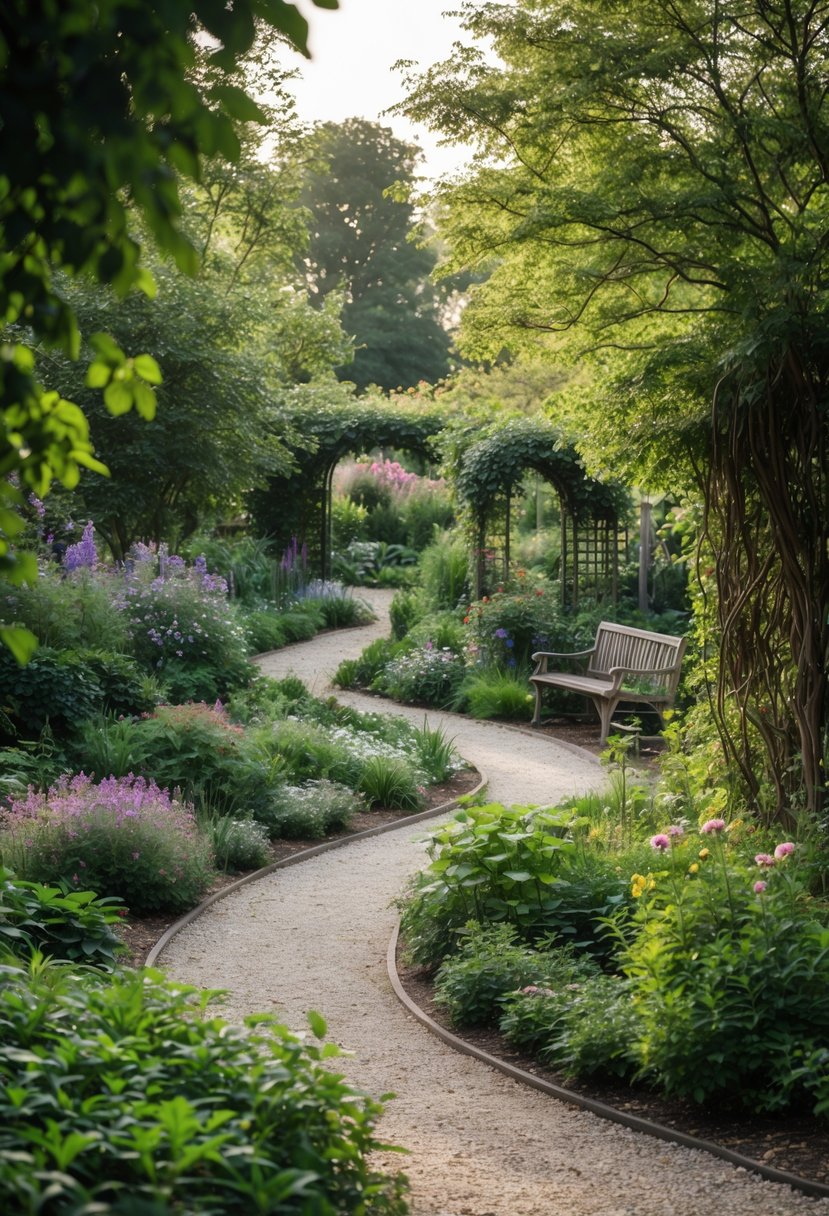
Winding pathways are a key feature in English gardens. They add a natural flow to the space and encourage people to explore. Paths made with gravel or soft stone blend well with flowers and greenery.
These paths often curve gently, avoiding straight lines. This design creates a relaxed, informal look that fits well with the garden’s natural style. The pathways also offer quiet spots where visitors can pause and enjoy the surroundings.
By using simple materials and soft shapes, winding paths help the garden feel more inviting. They connect different areas and guide visitors through blooms and leafy hedges. This enhances both the garden’s beauty and its calm atmosphere.
Boxwood topiary shapes
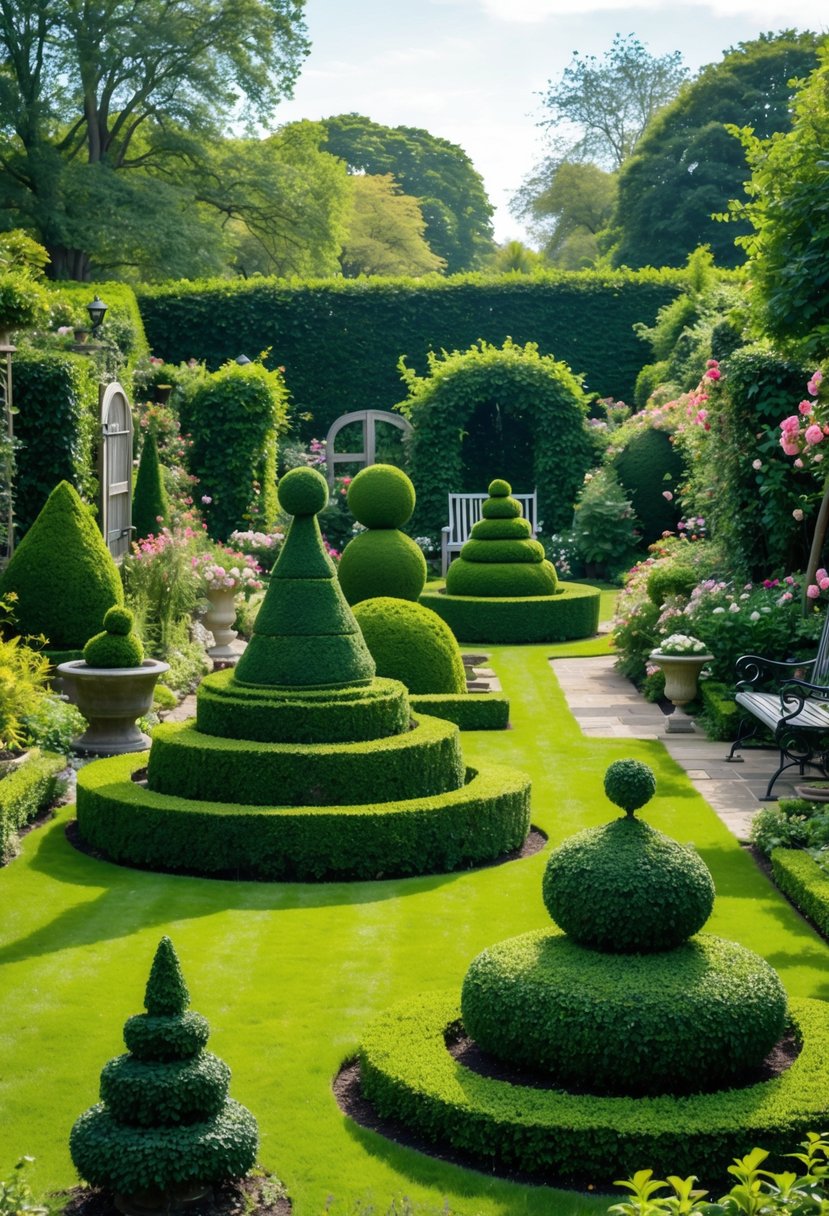
Boxwood topiary shapes are popular in English gardens for their clean, structured look. Common shapes include spheres, cones, and spirals. These simple forms bring focus and order to garden spaces.
Some gardeners create whimsical shapes like animals or geometric patterns. These add a playful touch without overpowering the plants around them.
Boxwood can be clipped tightly or left slightly natural for a softer effect. Either way, careful trimming helps maintain the classic style of English gardens.
Planting borders mixing colors and heights
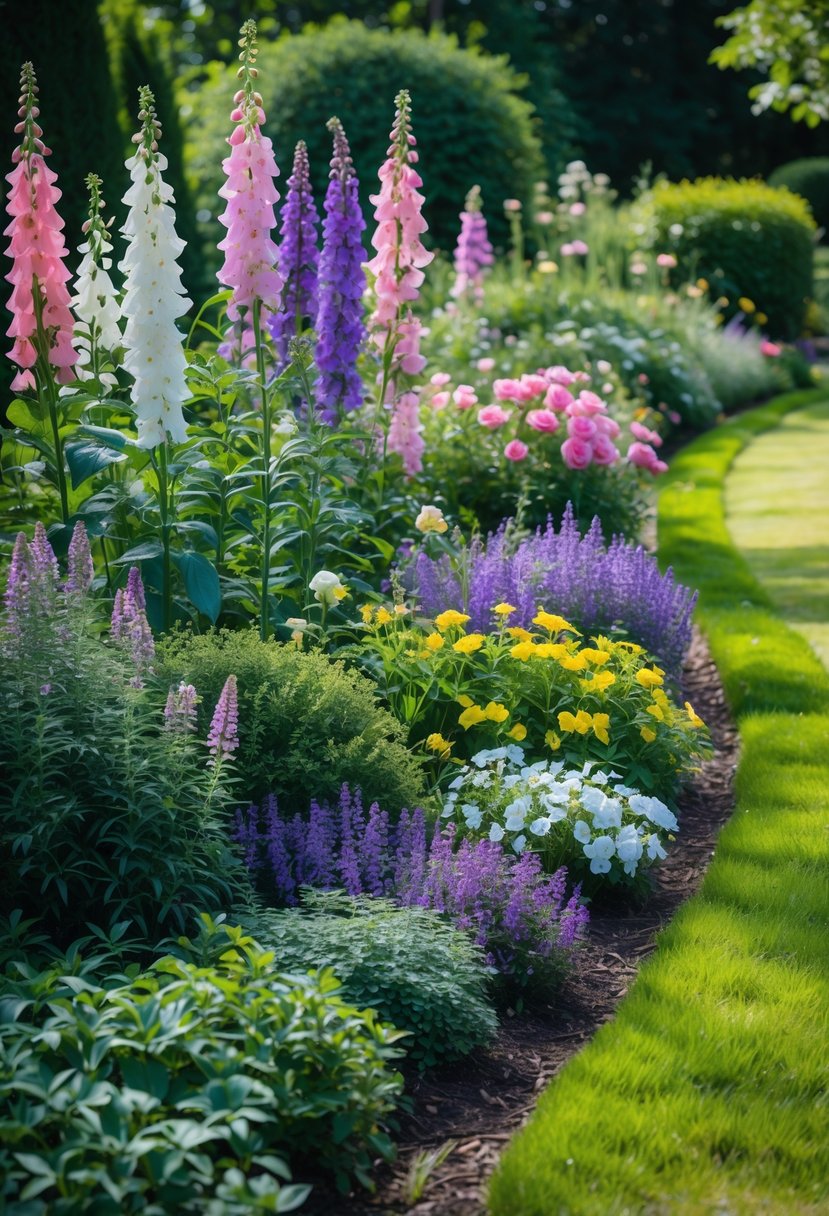
They should arrange plants by height, placing taller ones at the back and shorter ones in front. This creates a layered look that adds depth to the border.
Mixing colors is important. Combining different flower colors can make the border more interesting and lively.
Planting densely helps create a full and abundant appearance. It also reduces weeds and keeps the soil moist when mulch is added.
Using a mix of shrubs, perennials, and annuals offers structure and continuous blooms throughout the seasons. This approach keeps the border attractive for longer.
Final Thoughts
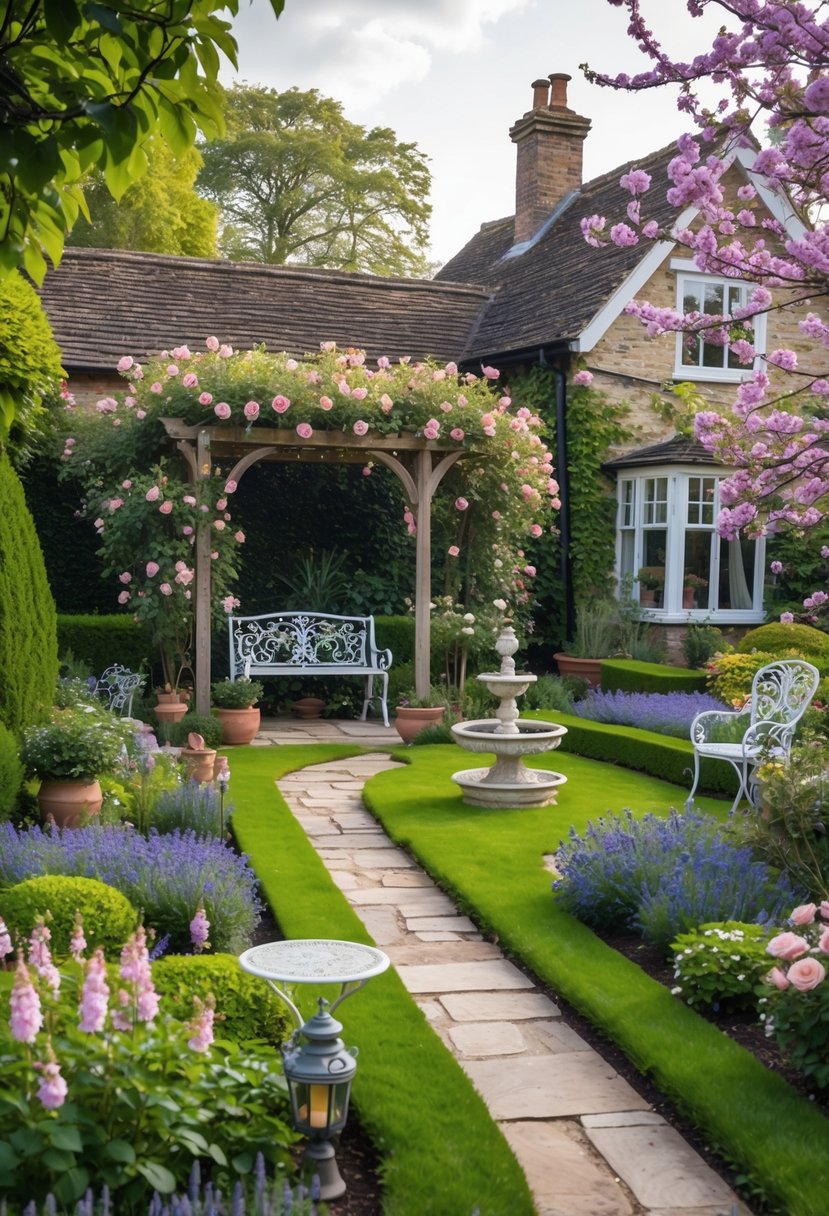
An English garden blends natural beauty with thoughtful design. It encourages balance between informal planting and structured elements like paths or hedges. This style suits many spaces, from small yards to larger landscapes.
Key features to consider include:
- Mix of flowers, herbs, and shrubs
- Winding paths for easy movement
- Cozy seating areas for relaxation
These components help create a garden that feels both inviting and timeless. The style values practicality alongside charm, making it adaptable in different climates and spaces.
Gardeners can start small or expand gradually. Using local plants that mimic the English garden look can reduce upkeep while maintaining beauty. Seasonal blooms add color and texture throughout the year.
Visitors often appreciate the garden’s storybook quality. It offers quiet spots for reflection and the joy of watching nature grow. This approach to gardening fits well with those who enjoy a mix of order and natural whimsy.
By focusing on these ideas, anyone can create an English garden that feels authentic and manageable. The key is to balance design with a relaxed, welcoming spirit.