15 Stunning Rooftop Garden Ideas for Small Spaces to Maximize Your Urban Oasis
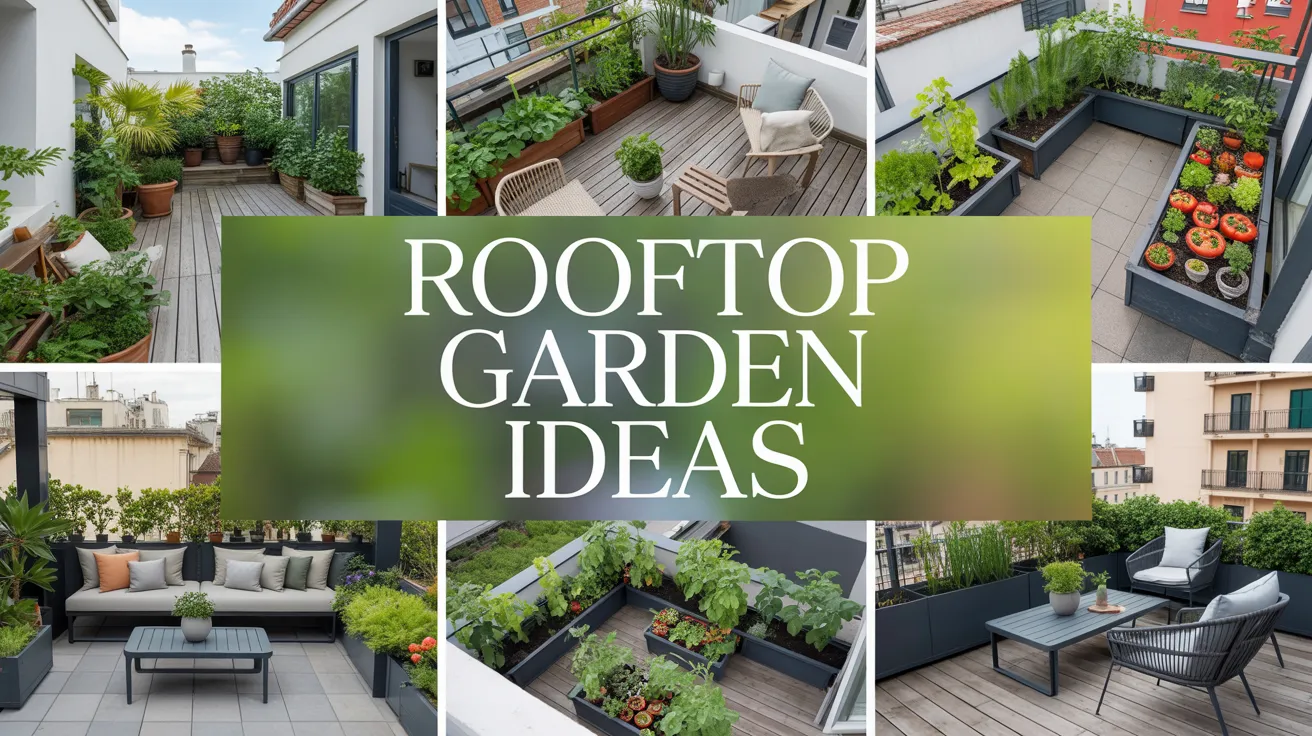
Small rooftops often go unused, but they hold great potential for green spaces. Turning a small rooftop into a garden can enhance the living area and create a calm, natural spot in the city. With the right ideas, even limited space can become both functional and beautiful.

This article shares 15 stunning rooftop garden ideas designed to fit small areas and help people make the most of their roofs. These ideas show how to bring plants, seating, and style together in ways that suit compact spaces without overcrowding.
Lightweight raised garden beds
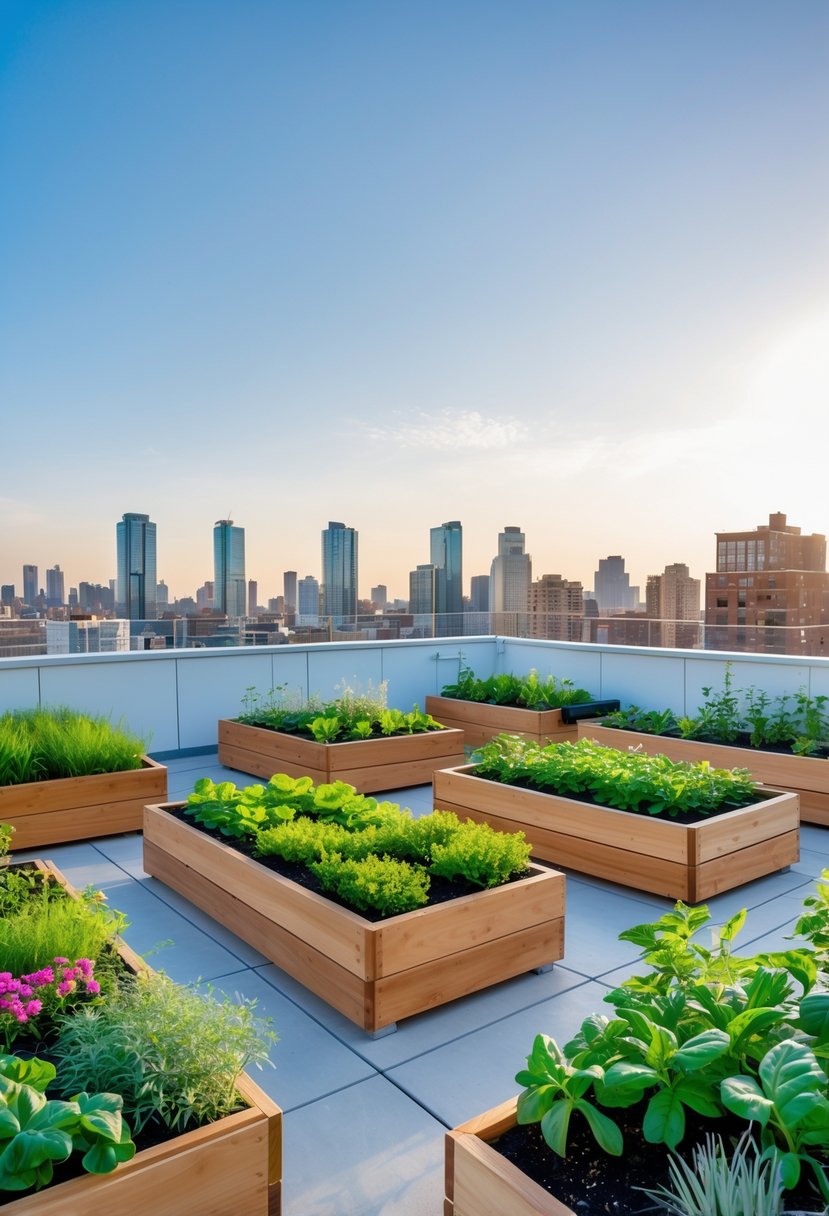
Lightweight raised garden beds are ideal for rooftop spaces. They reduce the load on the structure while still providing good soil depth for plants.
Materials like cedar, composite wood, or durable plastic are easy to move and resist weather damage. These beds can fit into small, narrow areas.
Using lightweight materials helps with rearranging the garden as needed. It also makes setup and maintenance simpler. These beds support a variety of plants, including herbs, flowers, and vegetables.
Vertical herb planter walls
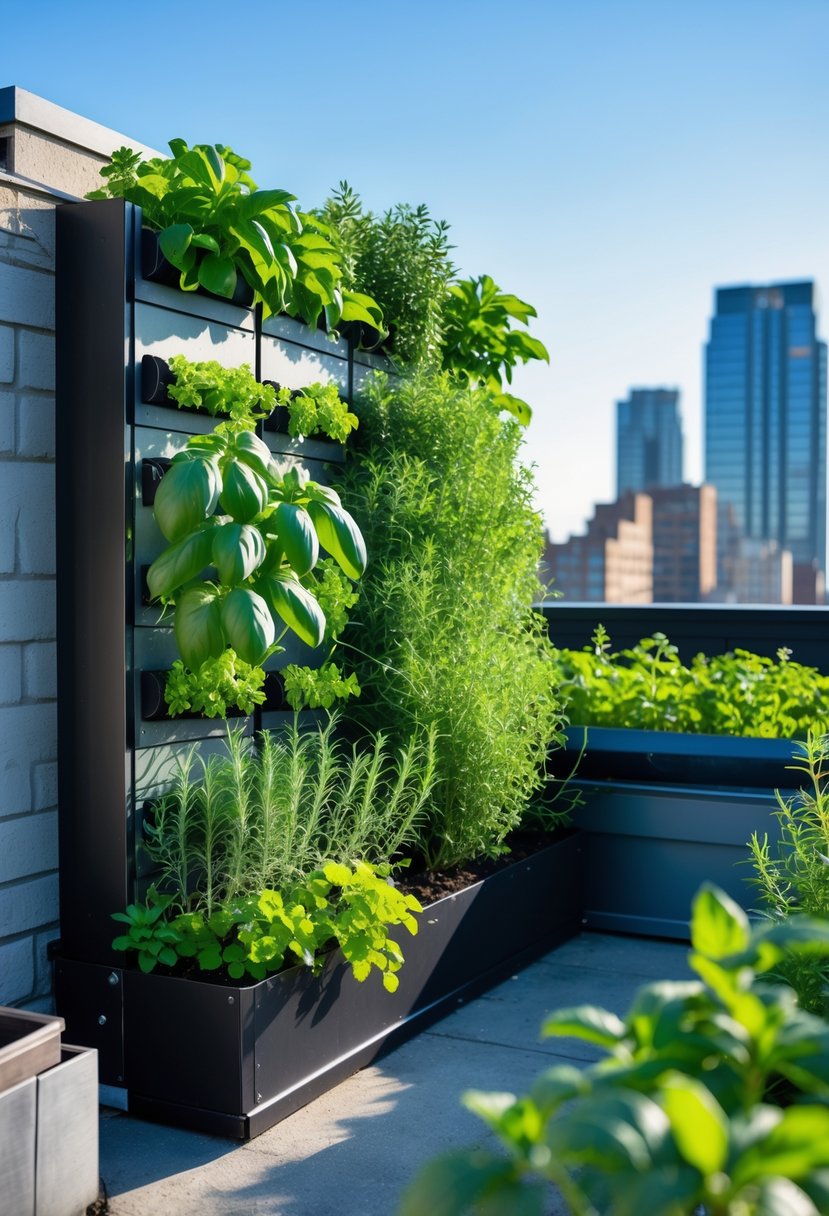
Vertical herb planter walls are a smart solution for rooftop gardens with limited space. They use wall-mounted containers or pockets to grow several herbs in layers. This method saves floor space while keeping herbs within easy reach.
These planters can be made from wood, metal, or fabric. They work well on sunny walls or fences. Vertical herb walls also add greenery and can improve the look of a rooftop.
Watering and maintenance are simple when plants are arranged vertically. This setup allows better air circulation and sunlight exposure for each herb. It’s an efficient way to grow fresh herbs in a small area.
Compact drip irrigation systems
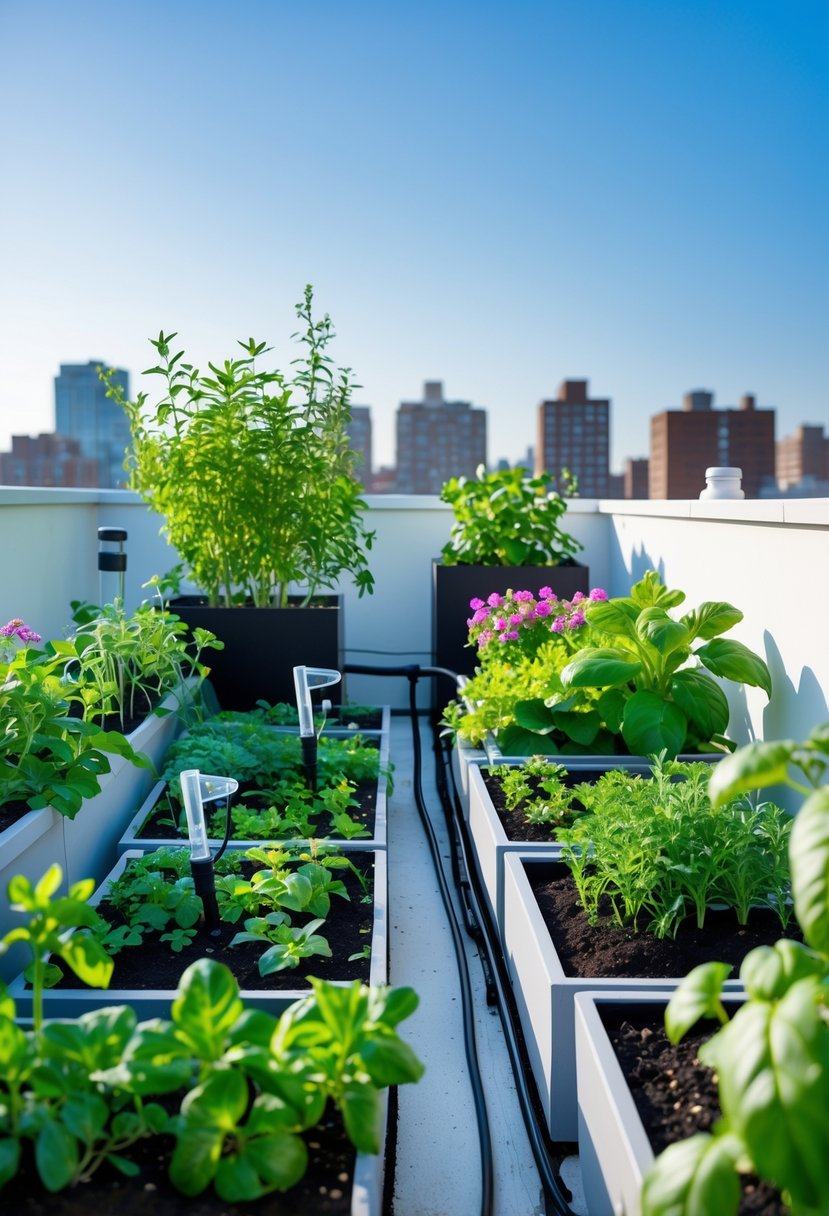
Compact drip irrigation systems deliver water directly to the base of plants through small tubes and emitters. They are ideal for rooftop gardens because they use space efficiently and reduce water waste.
These systems can be easily installed in tight areas and adjusted to suit different plant needs. They help keep soil moist without overwatering, which is important for container gardens.
Using a drip system also lowers the need for frequent watering, saving time and effort. Many setups include timers or smart controllers to automate watering on a schedule.
Hanging planter baskets
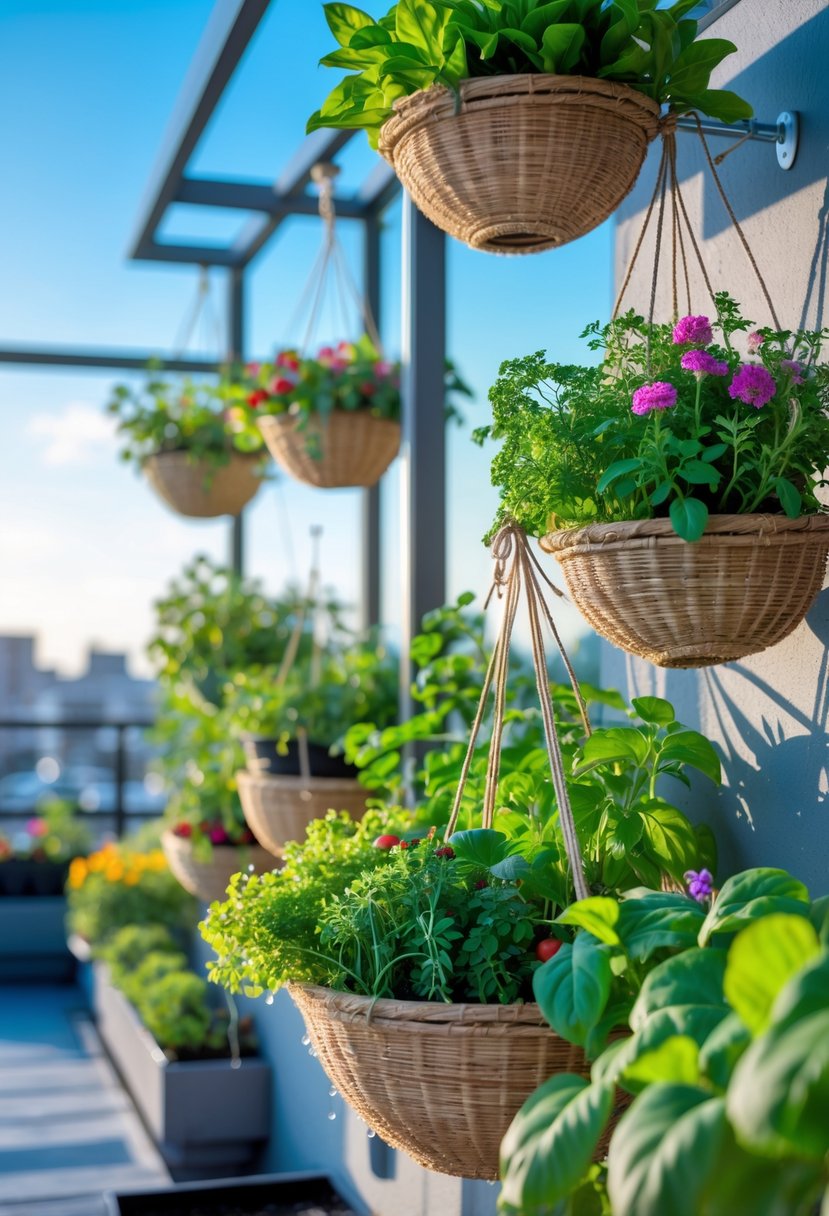
Hanging planter baskets are a great way to add greenery without using floor space. They work well on rooftops where space is limited.
These baskets can hold flowers, herbs, or small vegetables. Using lightweight soil and plants that don’t require deep roots helps keep the baskets manageable.
They can be hung from railings, walls, or overhead structures. This creates layers of plants and makes the rooftop garden more visually interesting.
Proper watering and drainage are important. Hanging baskets dry out faster, so they need regular care to keep plants healthy.
Modular wooden pallet gardens
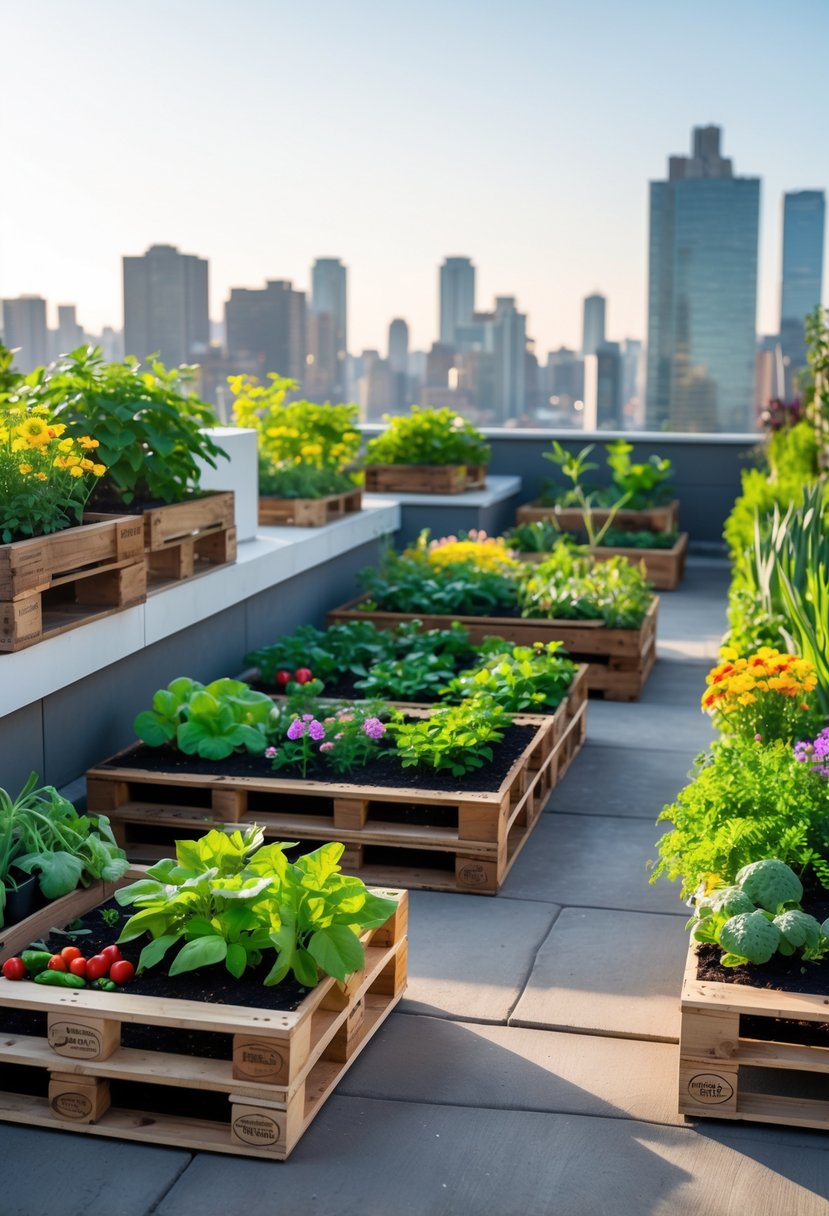
Modular wooden pallet gardens offer a flexible way to grow plants on rooftops. They can be arranged in different shapes to fit small areas.
Each pallet acts as a planter box. This allows easy movement and rearrangement as needed.
Wooden pallets are affordable and eco-friendly. They help save space by creating vertical or stacked garden sections.
With simple tools, pallets can be adapted for herbs, flowers, or vegetables. They also improve organization by separating different plants.
This approach maximizes limited rooftop space without complicated construction. It suits both beginners and experienced gardeners looking for practical solutions.
Succulent and cactus clusters
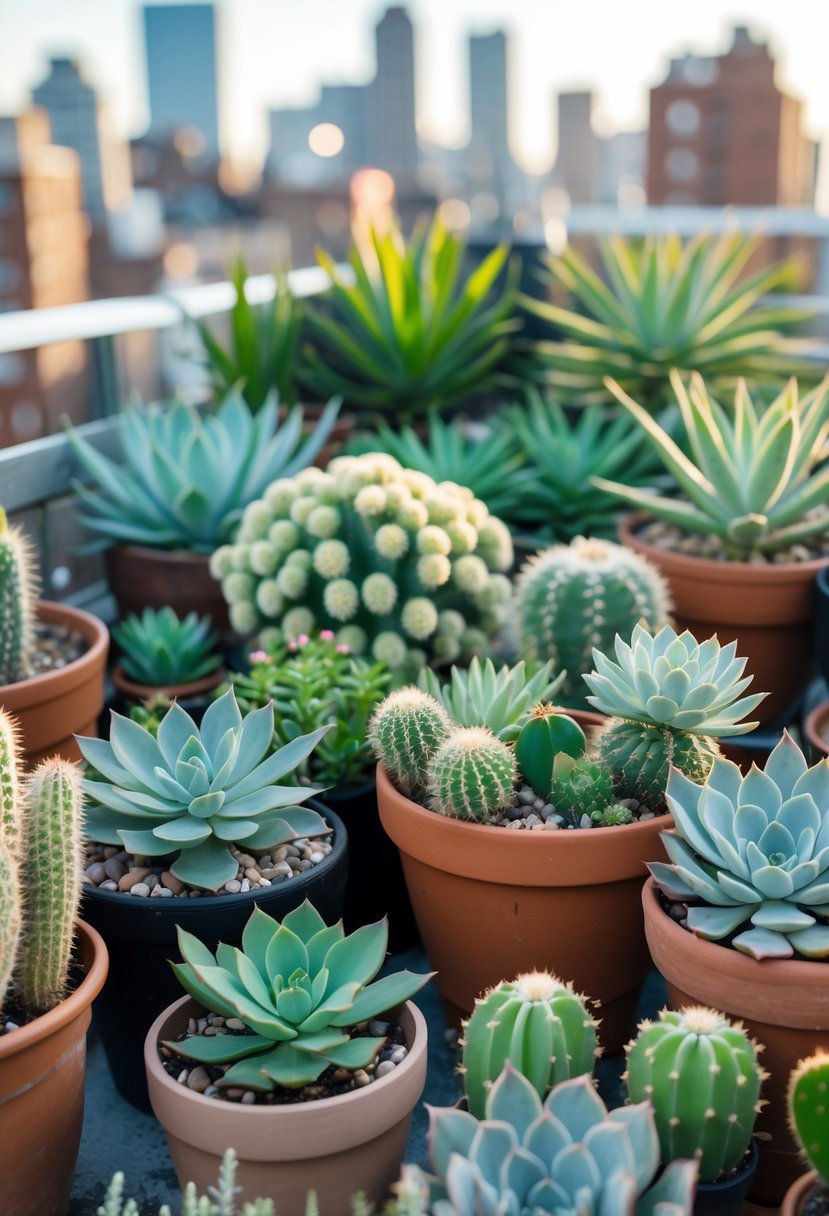
Grouping succulents and cacti creates a visually interesting focal point on a rooftop. Their varied shapes and textures add depth without requiring much space.
These plants thrive in sandy, well-draining soil, making them ideal for container gardens. Clusters can include barrel cacti, echeverias, and other small succulents.
Arranging different species together helps maintain moisture levels and supports easy care. Their low water needs align well with rooftop conditions, especially in sunny, exposed areas.
Using stones or gravel around the plants improves drainage and adds a natural look. Clusters are a simple way to create a stylish, low-maintenance rooftop garden.
Foldable garden benches
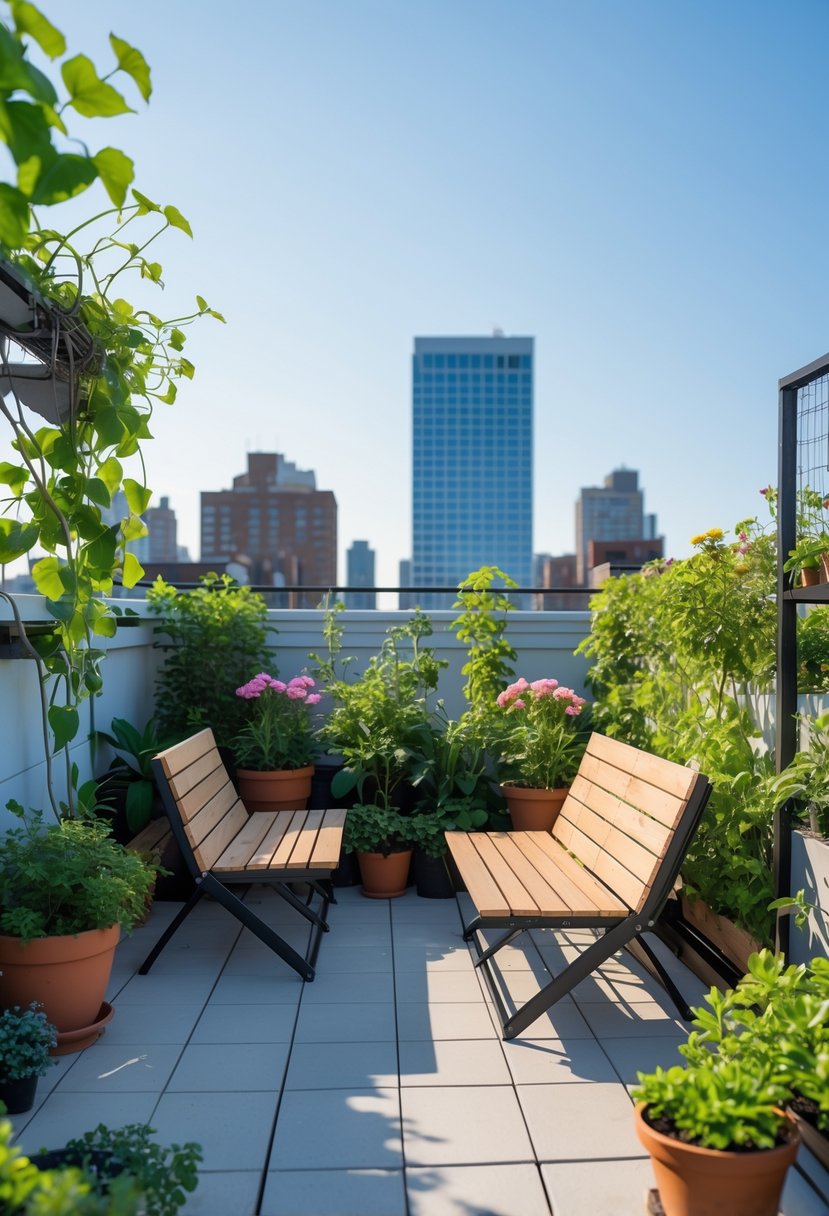
Foldable garden benches are ideal for small rooftop spaces. They save room by folding flat when not in use. This makes it easier to rearrange or clean the area.
Many foldable benches also offer extra features like built-in storage. These can hold gardening tools or cushions, keeping the space tidy. Lightweight materials make them easy to move.
Using foldable benches helps create flexible zones on the rooftop. People can open them for seating or fold them away to create more space. This adaptability suits small, busy rooftop gardens.
Recycled plastic planter boxes
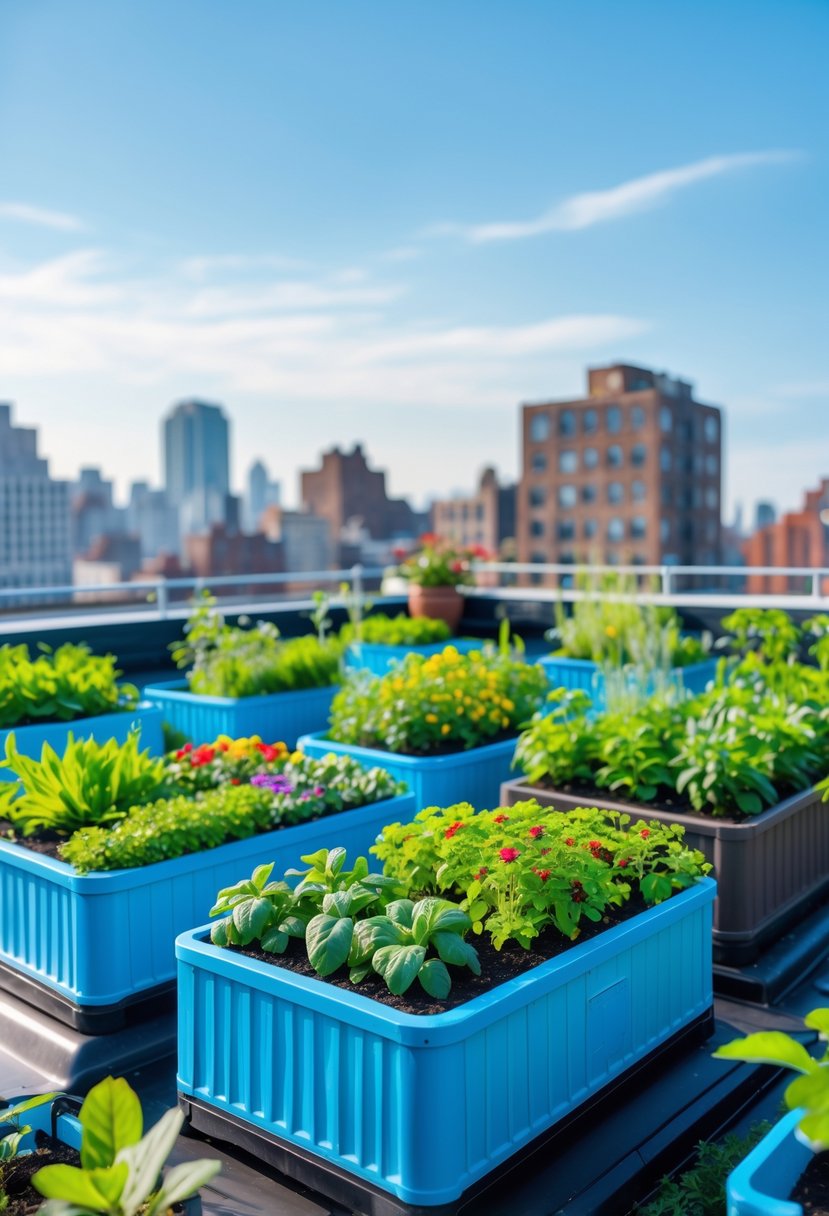
Recycled plastic planter boxes are a practical choice for rooftop gardens. They are lightweight and easy to move, making them ideal for small spaces.
These planters use plastic waste, helping reduce environmental impact and plastic pollution. They also resist weather and moisture better than some other materials.
Plastic planter boxes come in many shapes and sizes. This variety lets gardeners fit them neatly on balconies, ledges, or tight corners.
Using recycled plastic is cost-effective, too. It allows gardeners to create eco-friendly spaces without spending much.
Solar-powered grow lights
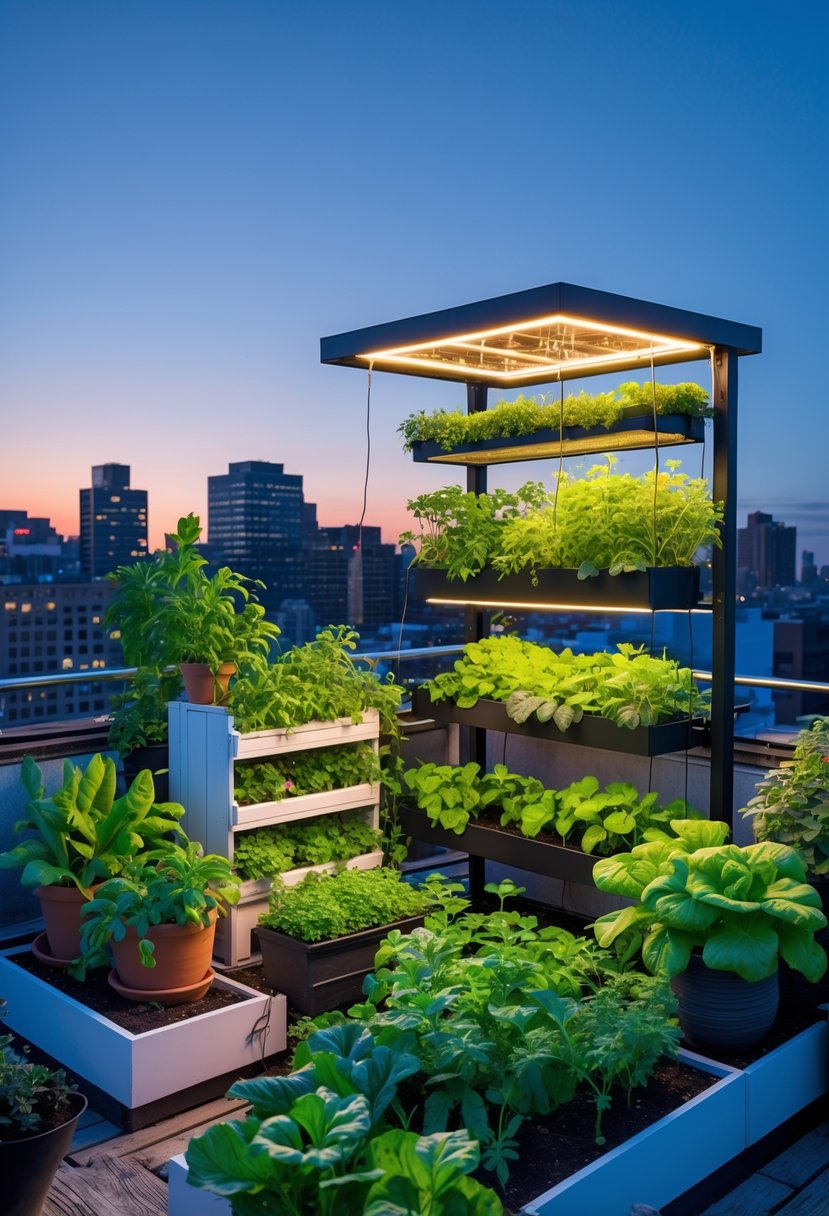
Solar-powered grow lights help plants receive light when sunlight is limited. They use energy from the sun during the day and provide artificial light at night or on cloudy days.
These lights are ideal for small rooftop gardens with shaded areas. They support the growth of herbs, vegetables, and flowers even when natural light is weak.
Using solar power reduces electricity costs and makes the garden more eco-friendly. It also allows gardeners to place plants anywhere without needing plug-in outlets.
Trellis for climbing plants
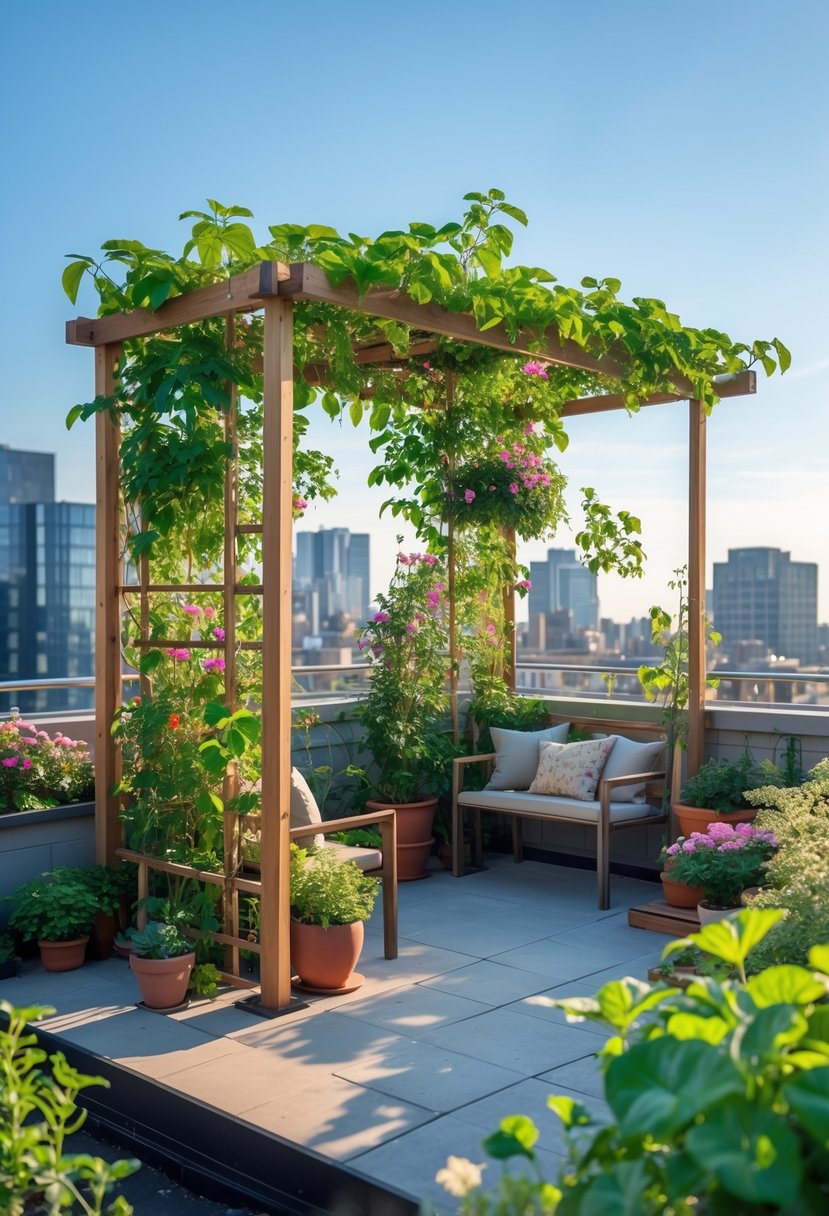
A trellis helps climbing plants grow upward, saving space on a rooftop garden. It adds structure and keeps plants organized. This is useful for small areas where floor space is limited.
Trellises can also create privacy by blocking views from nearby buildings. They support various plants like vines, cucumbers, or flowers.
Using a trellis adds vertical interest and makes the garden look neat. It can be made from wood, metal, or wire. Choosing the right style helps match the overall rooftop design.
Self-watering containers
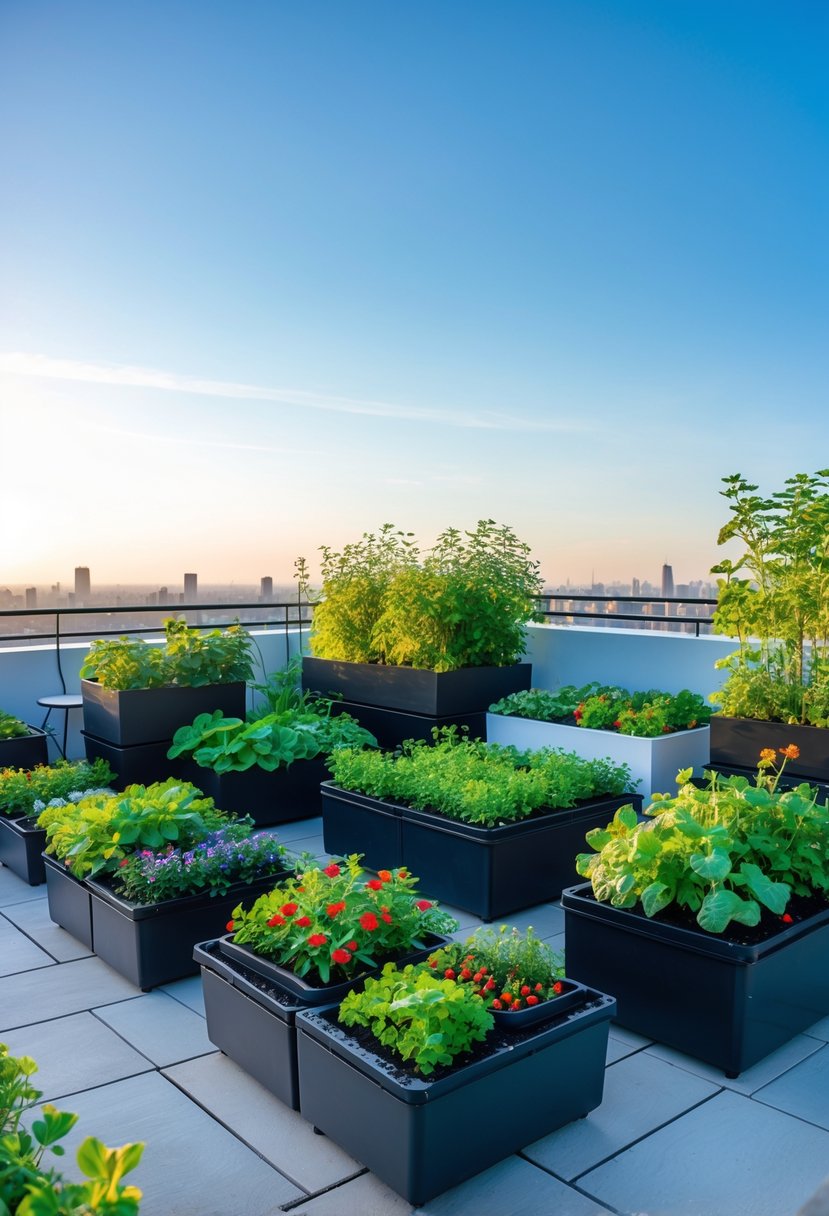
Self-watering containers are useful for rooftop gardens with limited time or attention. They hold water in a reservoir, which plants draw from as needed. This helps keep soil evenly moist and reduces the chance of overwatering or drying out.
These containers work well for herbs, vegetables, and small flowers. Their design saves water and cuts down on maintenance. Colorful and modern styles can also add a neat look to any rooftop space.
Using self-watering containers allows gardeners to maintain healthy plants without daily watering. They are a smart choice for busy or beginner gardeners in small rooftop areas.
Miniature fruit trees in pots

Miniature fruit trees are ideal for rooftop gardens with limited space. They stay small but still produce fruit, making them practical and attractive.
These trees can grow well in containers, which allows for easy movement and care. Common types include dwarf peaches, plums, and Asian pears.
Growing fruit trees in pots lets gardeners enjoy fresh fruit without needing a large yard. Proper sunlight, watering, and drainage are important for their health.
Herb spiral gardens
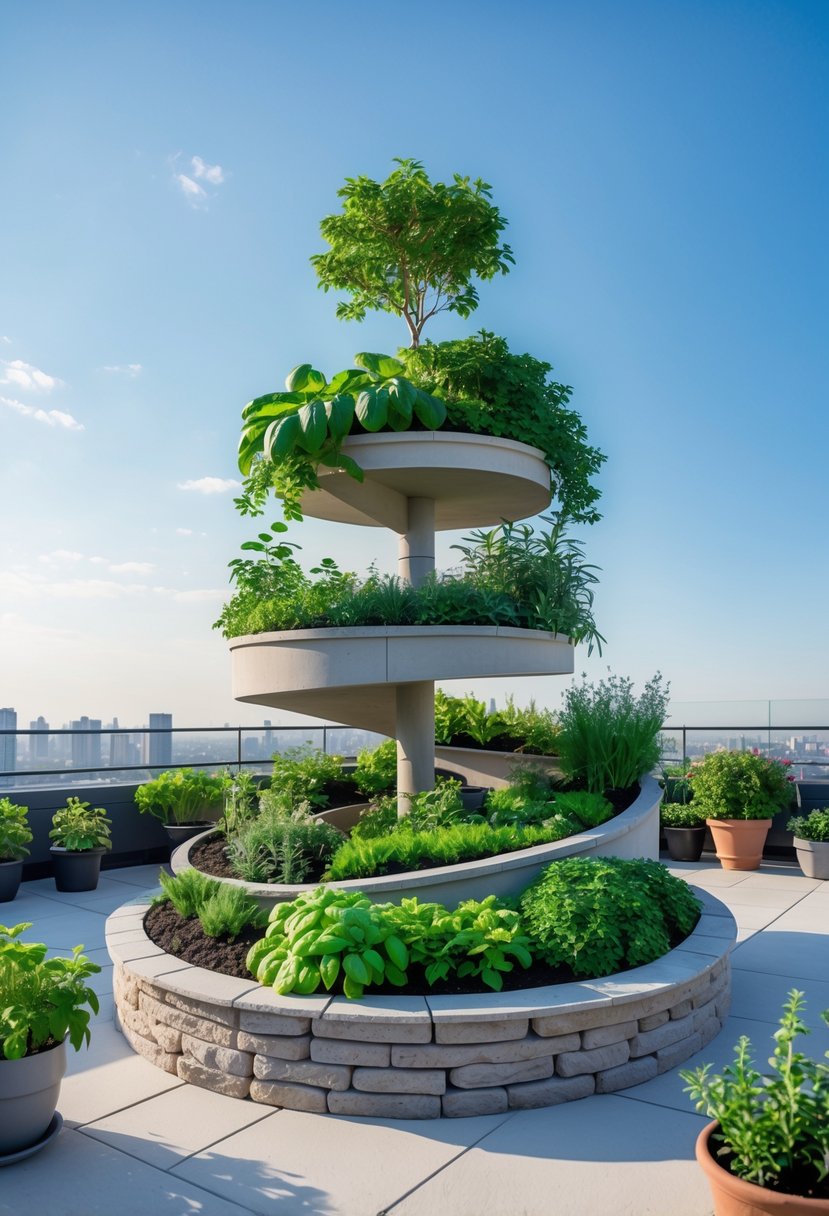
Herb spiral gardens are a smart way to grow many herbs in a small rooftop space. They use a spiral shape that rises in height, creating different levels for plants with various sun and water needs.
The design allows water to flow downward, so plants at the top receive less moisture, while those at the bottom stay damp. This saves water and supports healthy growth.
Adding small insect hotels or bamboo stems on the south side attracts helpful bugs that aid pollination. Herb spirals combine beauty with function, making them great for small urban gardens.
Terracotta pot arrangements

Terracotta pots work well for rooftop gardens, especially in small spaces. They add a natural, warm look and help control soil moisture.
Arranging pots vertically can save space and create a green wall. Stacking terracotta pots or using metal stands helps maximize limited areas.
Mixing different pot sizes allows for varied plant heights and textures. Small succulents and trailing vines fit perfectly in these pots.
Adding gravel or stones at the bottom improves drainage, which is important for rooftop plants. Terracotta’s breathable material supports healthy root growth.
Compact compost bins
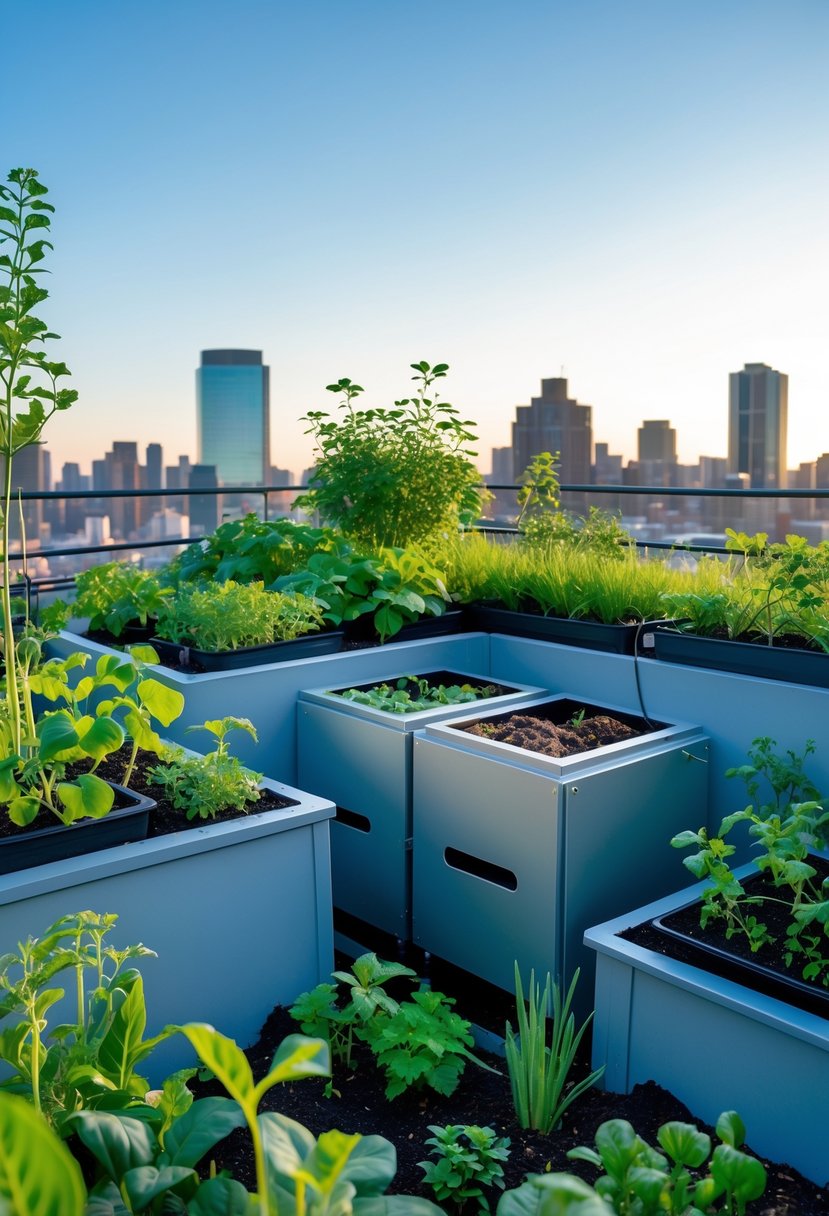
Compact compost bins offer a practical way to recycle kitchen scraps in small rooftop gardens. They take up minimal space and can fit on balconies or narrow ledges.
These bins come in various designs, including worm bins and sealed containers that control odor. Some models are stackable, making them ideal for vertical setups.
Using a compact compost bin helps create nutrient-rich soil without the need for a large yard. It allows gardeners to reduce waste and improve plant health efficiently in limited spaces.
Final Thoughts
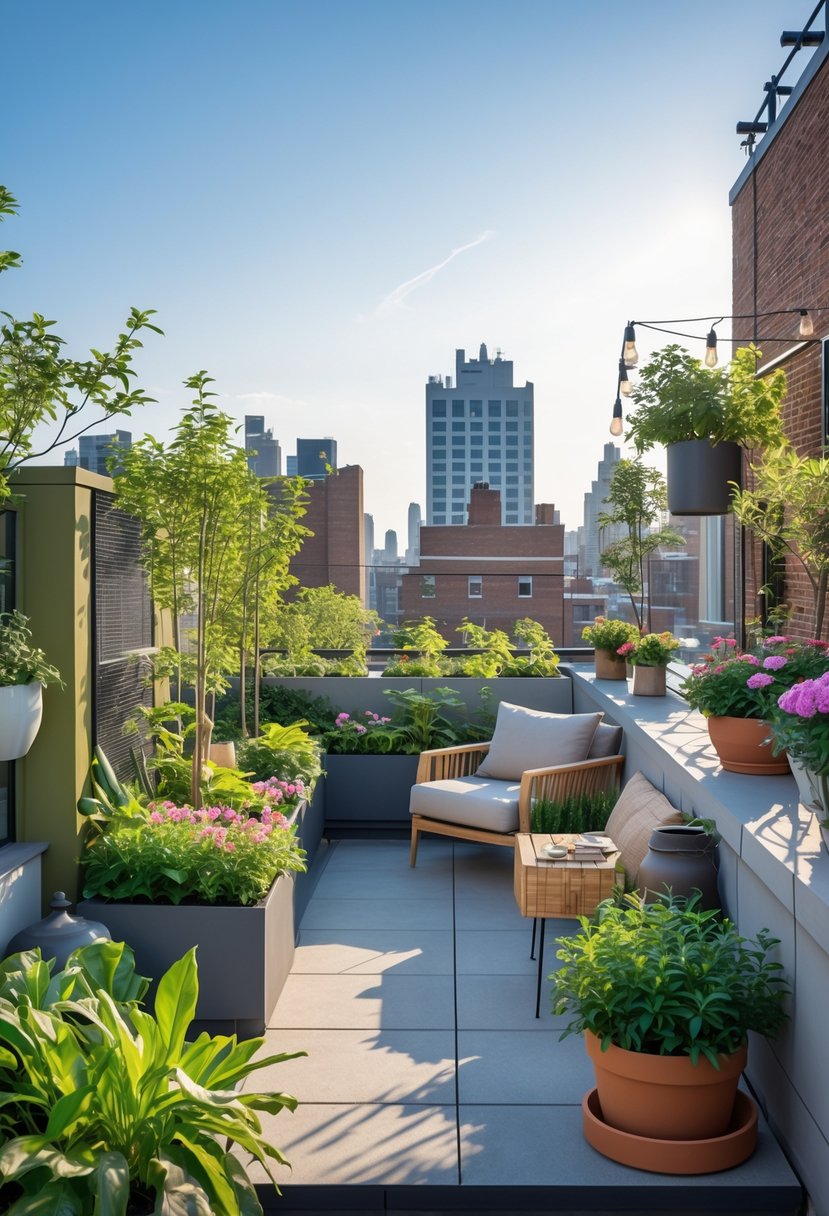
A rooftop garden can turn any small space into a peaceful, green retreat. Careful planning and selecting the right plants and furniture help maximize space and comfort.
Weight capacity and sun exposure are key factors to consider before starting. Ensuring the rooftop can support plants, soil, and seating avoids structural issues.
Using vertical gardens or raised planters makes the most of limited space. These options keep the area organized and easy to maintain.
Adding seating areas, such as benches or small chairs, invites relaxation and social time. Including a compact fire pit or water feature can enhance the atmosphere without crowding the space.
Maintenance should also be simple. Choosing low-maintenance plants and using efficient watering systems saves time and effort.
Here’s a quick checklist for a successful small rooftop garden:
| Task | Importance |
|---|---|
| Assess weight limits | Safety |
| Choose sun-tolerant plants | Growth and health |
| Use vertical/raised beds | Space optimization |
| Add cozy furniture | Comfort and usability |
| Plan for easy maintenance | Sustainability |
Small rooftop gardens offer a unique way to enjoy nature above the city. With thoughtful design, they provide a functional and attractive space year-round.