12 Rose Garden Layout Ideas for Stunning and Efficient Landscaping
Rose gardens can transform outdoor spaces with color, fragrance, and charm. Choosing the right layout is important to create a garden that looks good and supports healthy plant growth. A well-planned rose garden layout helps ensure the plants get enough sunlight, air, and space to thrive.
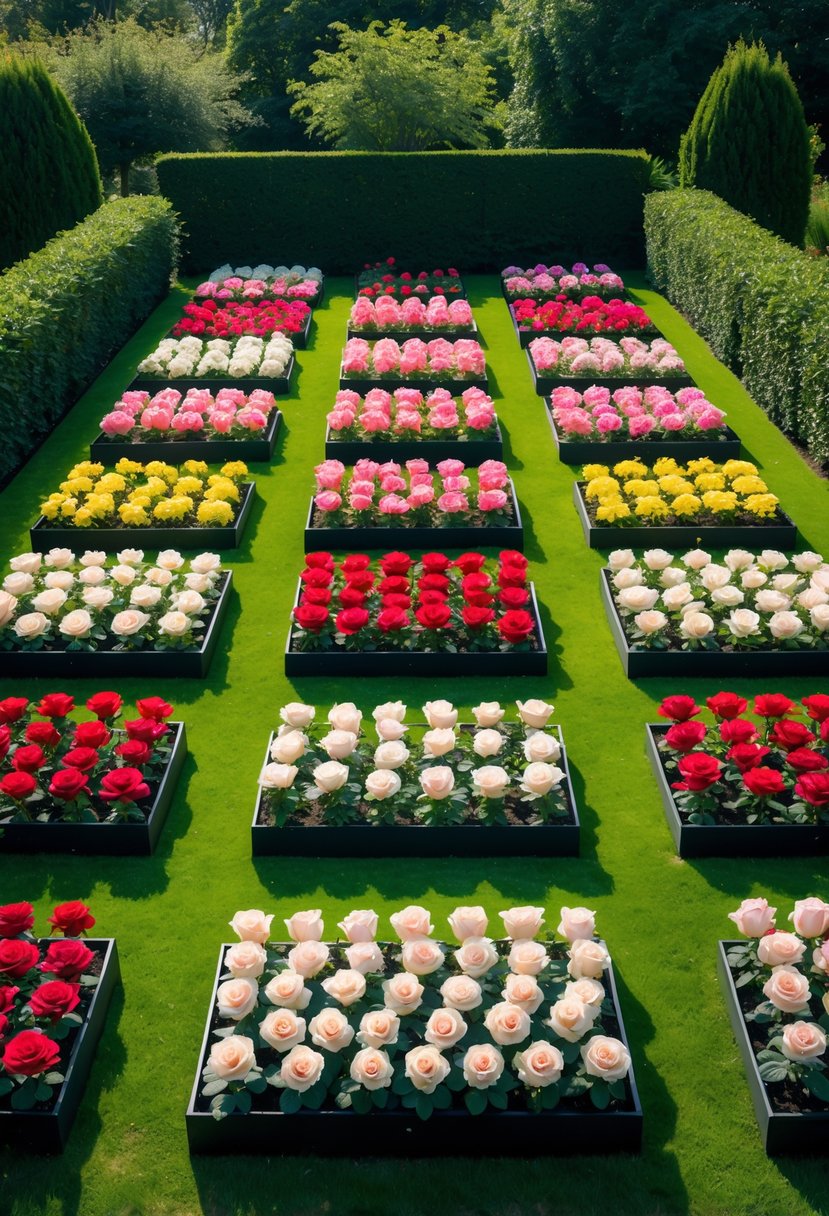
There are many ways to arrange roses, whether in small yards or larger areas. Different designs can fit various spaces and personal styles, from simple to complex. Understanding basic layout ideas can help anyone create a rose garden that is both beautiful and manageable.
Divide garden into four rectangular beds with grass walkways
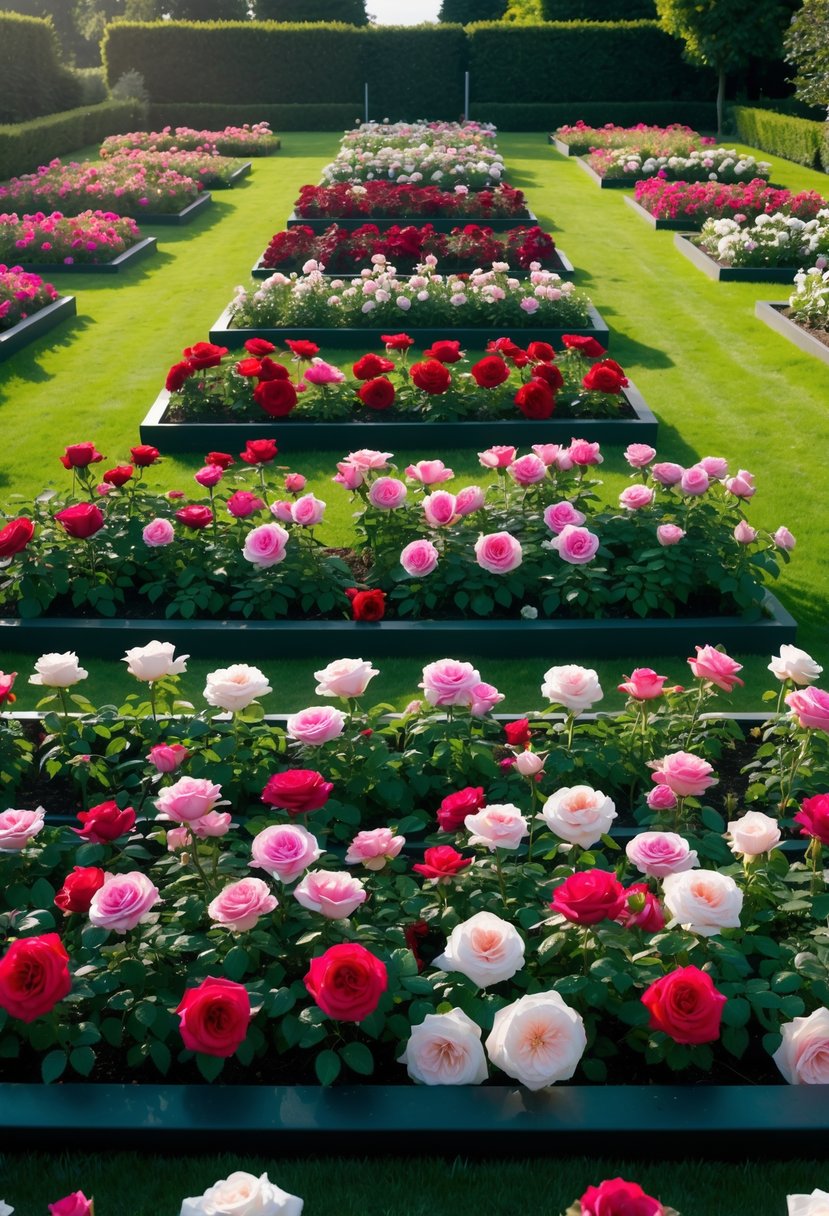
The garden can be divided into four equal rectangular beds to create a clean, organized look. Grass walkways between the beds provide easy access for planting and maintenance.
This design helps separate different rose varieties while keeping the garden open and spacious. The grass also adds softness and natural color, balancing the strong shapes of the rectangular beds.
The walkways should be wide enough to allow comfortable movement and prevent soil compaction near the roses. This layout is practical and visually appealing, ideal for both small and medium-sized rose gardens.
Space climbing roses 6–10 feet apart along fences or arbors
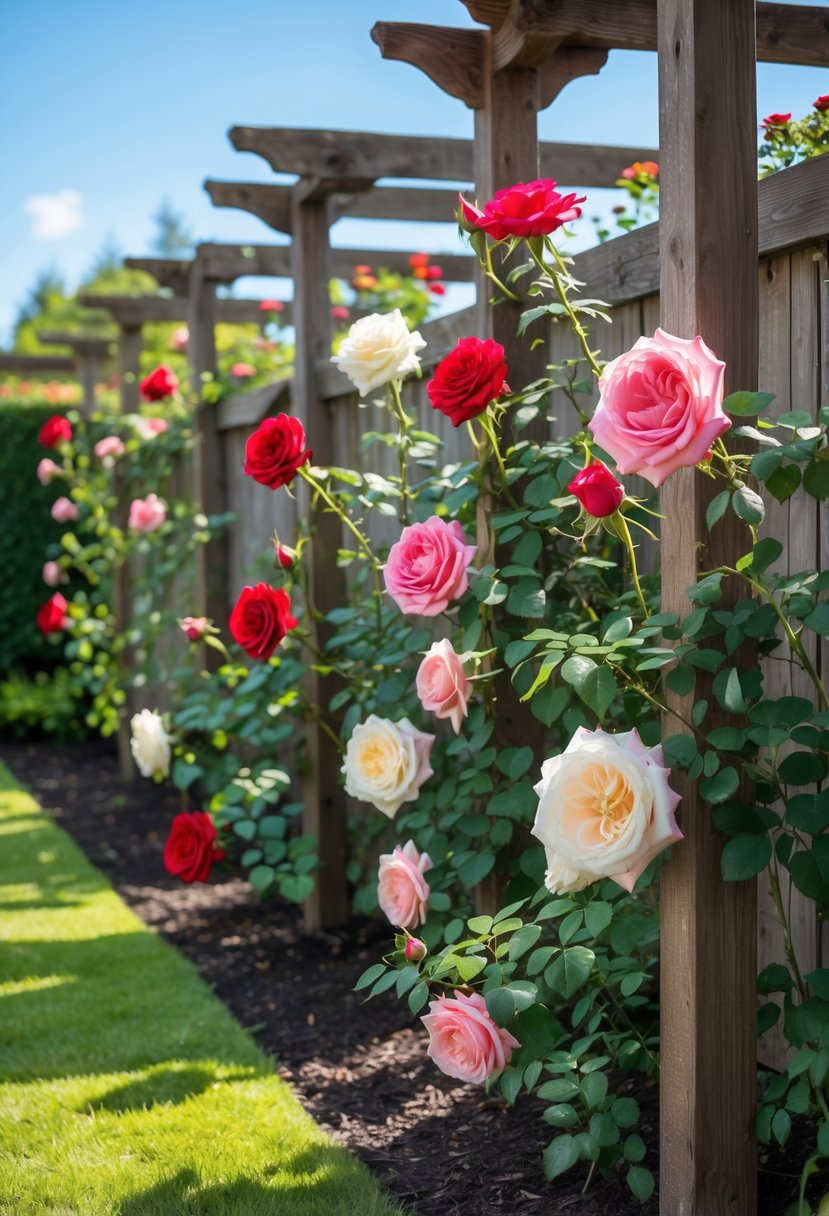
Climbing roses need room to grow and spread. Spacing them 6 to 10 feet apart gives each plant enough air circulation and sunlight.
This spacing helps prevent diseases that can occur when plants are too close. It also allows the long canes to grow without overcrowding.
Planting roses close to the fence or arbor helps the plants climb easily. The support guides their growth upward, making the garden look organized and neat.
Use a large container (18 inches wide) for container roses
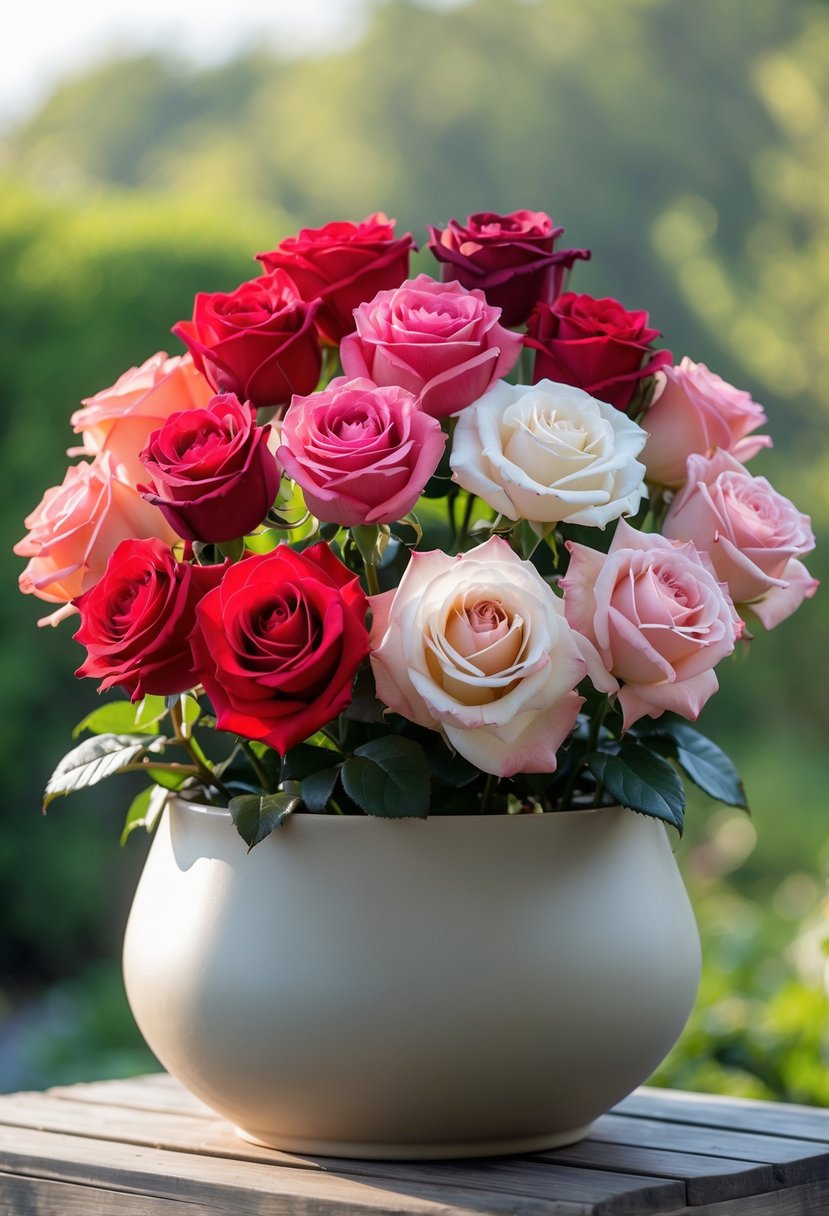
A container rose needs enough space for its roots to grow freely. A pot at least 18 inches wide and deep is ideal for most roses. Larger containers help support healthy growth and better blooms.
Smaller pots can limit root expansion, which may stress the plant. For climbing or bigger roses, a container 24 inches wide works better. Good drainage is also important to avoid water buildup in the pot.
Using a large container helps maintain moisture and nutrients. This creates a stable environment for the rose to thrive over time.
Plant a variety of rose species for color and texture contrast
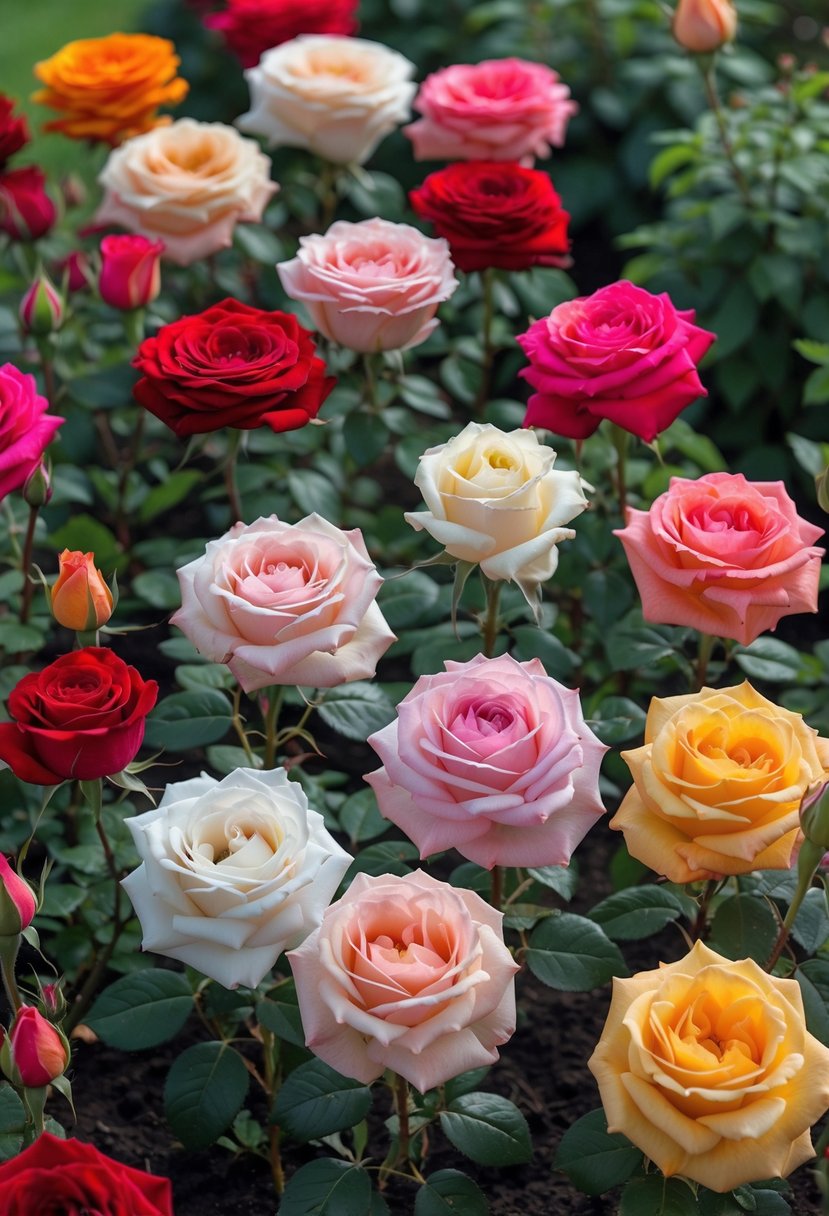
A successful rose garden includes different types of roses. Mixing hybrid teas, shrub roses, climbers, and ground covers creates visual interest. Each species offers unique leaf shapes and flower forms.
Contrasting textures help the garden feel dynamic. Glossy hybrid tea leaves stand out against the dense foliage of shrub roses. Adding wild roses with decorative hips brings seasonal change.
Using many colors enriches the garden’s appeal. Deep reds, bright pinks, and soft whites can be arranged in groupings or mixed freely. This variety supports a balanced and attractive design.
Place fragrant roses near entryways for curb appeal
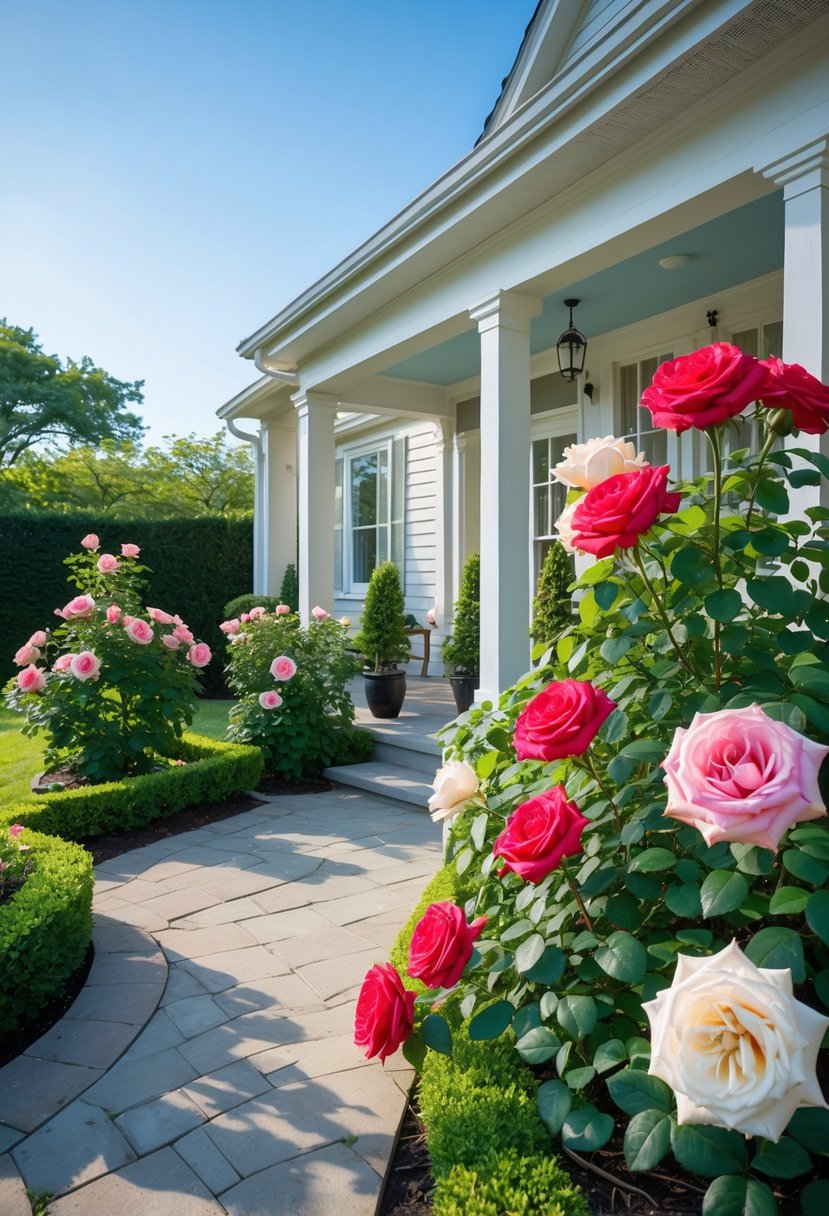
Fragrant roses placed near entryways create a welcoming atmosphere. Their scent attracts visitors and adds a pleasant smell as people approach the home.
Choosing roses with strong, natural fragrances enhances the overall experience without overwhelming the space.
Positioning these roses around the front door or along walkways helps frame the entry and draws attention to key areas of the garden.
This simple addition can improve the home’s curb appeal by combining beauty and scent in a practical way.
Incorporate companion plants like lavender and catmint
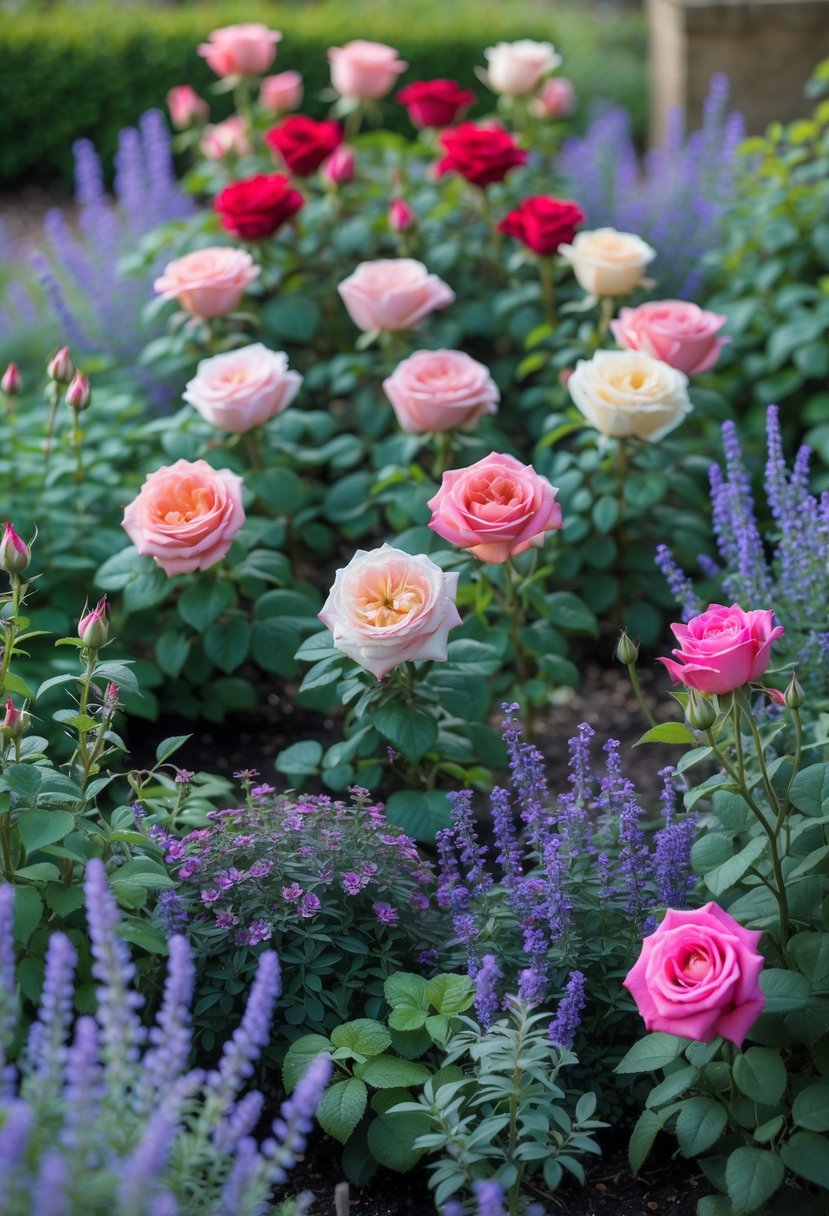
Lavender pairs well with roses because it shares similar growing needs. It adds color and scent while helping to keep pests away.
Catmint is another good companion plant. It is low-maintenance and helps deter unwanted insects and rabbits.
Both plants improve the garden’s health by attracting beneficial insects. They also create a pleasing contrast in texture and height next to roses. Using these companions supports a balanced and thriving rose garden.
Design pathways with grass or gravel between beds
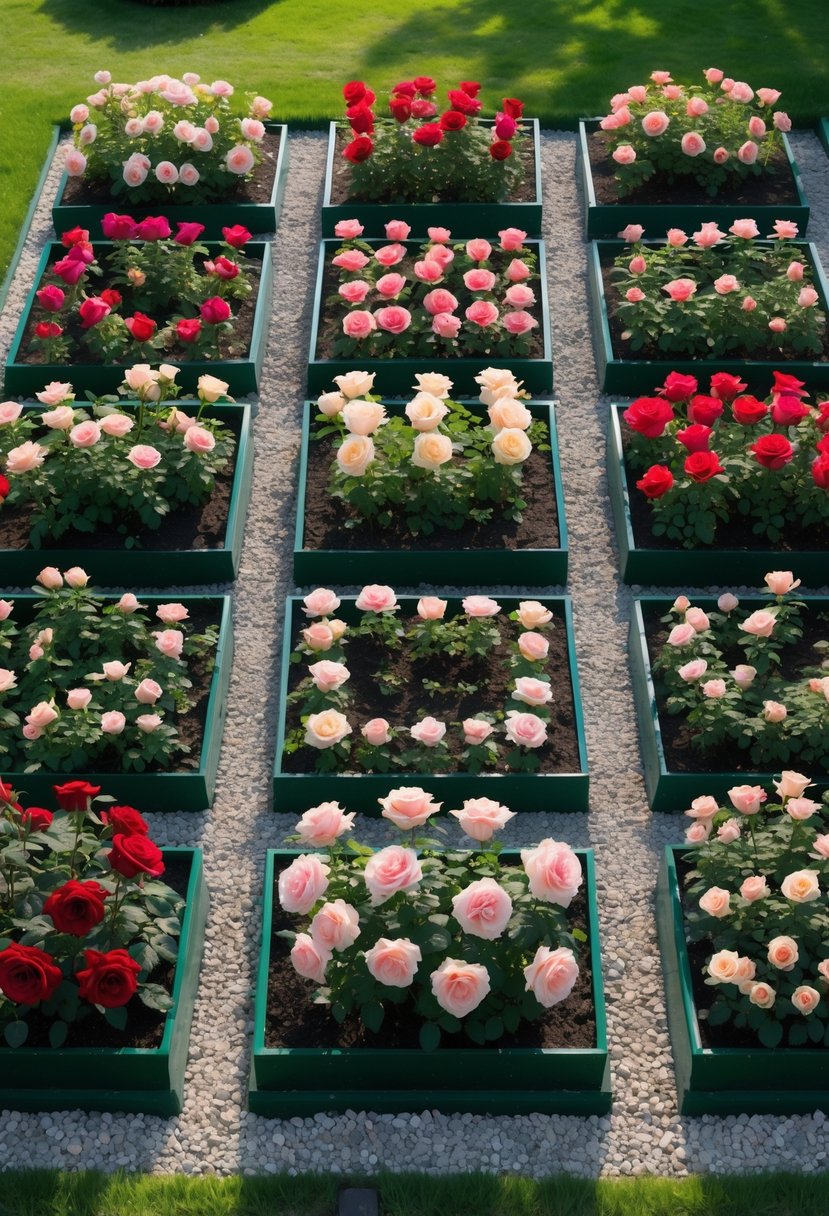
Pathways between rose beds help create a neat and organized garden. Using grass or gravel for these paths offers a clear route for walking and tending plants without stepping on soil.
Gravel paths are low maintenance and help reduce weeds. They also add texture and can contrast nicely with the roses.
Grass paths give a softer, natural look. They need regular mowing but provide a cool surface to walk on in warm weather.
Both options protect the soil from compaction and make the garden easier to care for. The choice depends on the garden’s style and how much upkeep the gardener prefers.
Choose a central focal point like a rose obelisk or arch
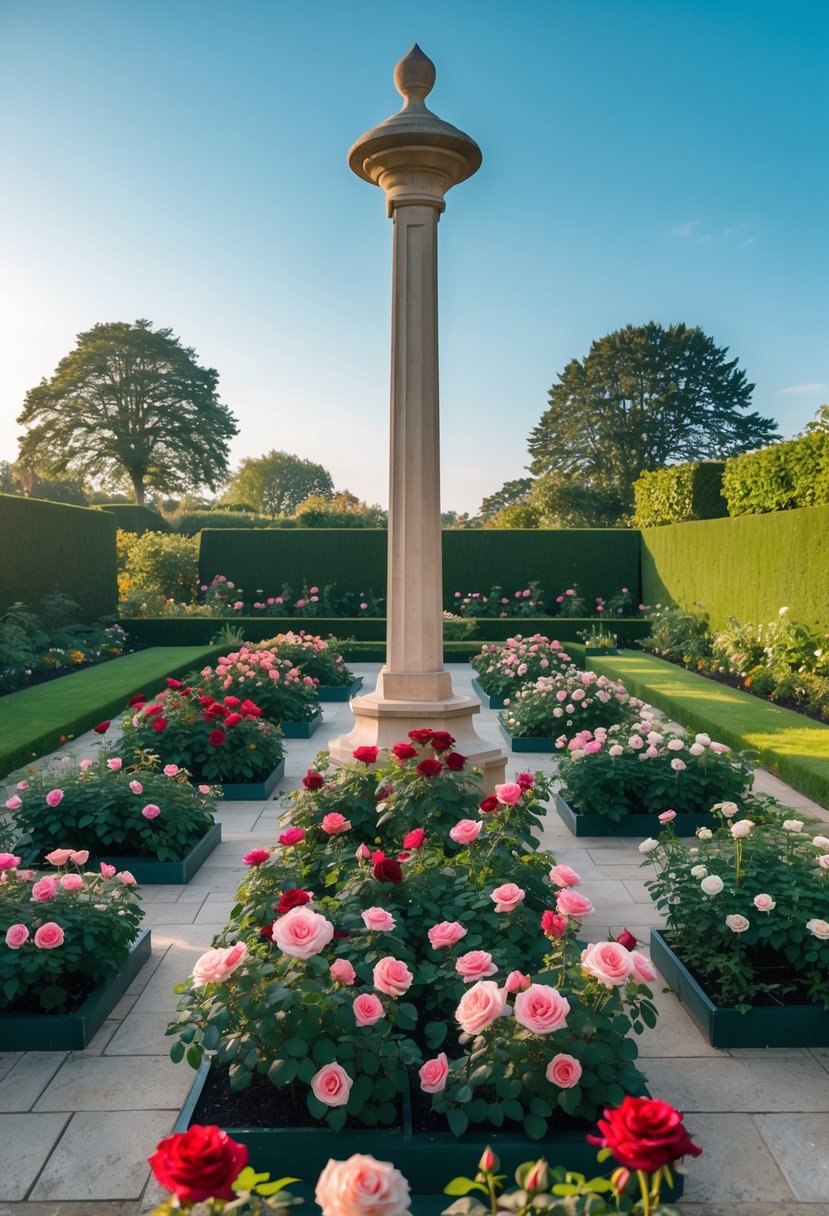
A central focal point helps give the rose garden structure and draws the eye. An obelisk or arch is a popular choice because it adds height and interest.
Climbing roses work well on these structures. They can grow upward, creating a natural, blooming centerpiece.
Material matters. Metal or wood obelisks and arches offer durable support for the plants.
Choosing the right size is important. It should fit the garden space without overpowering it.
A well-placed obelisk or arch can help organize the layout and make the garden feel balanced.
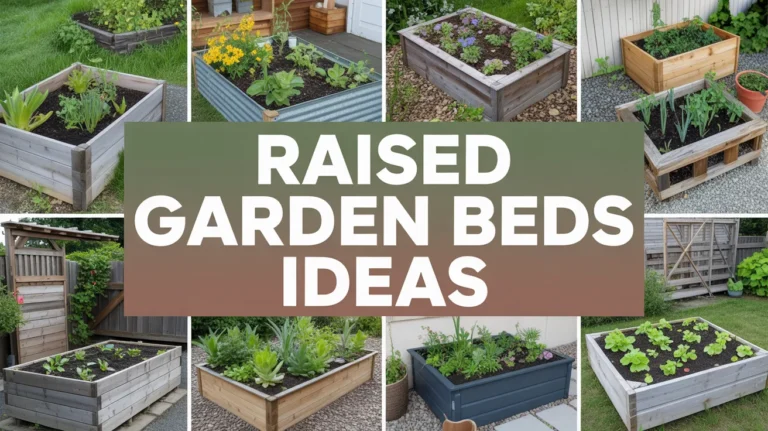
Use raised beds of about 7 by 3.5 feet for neat organization
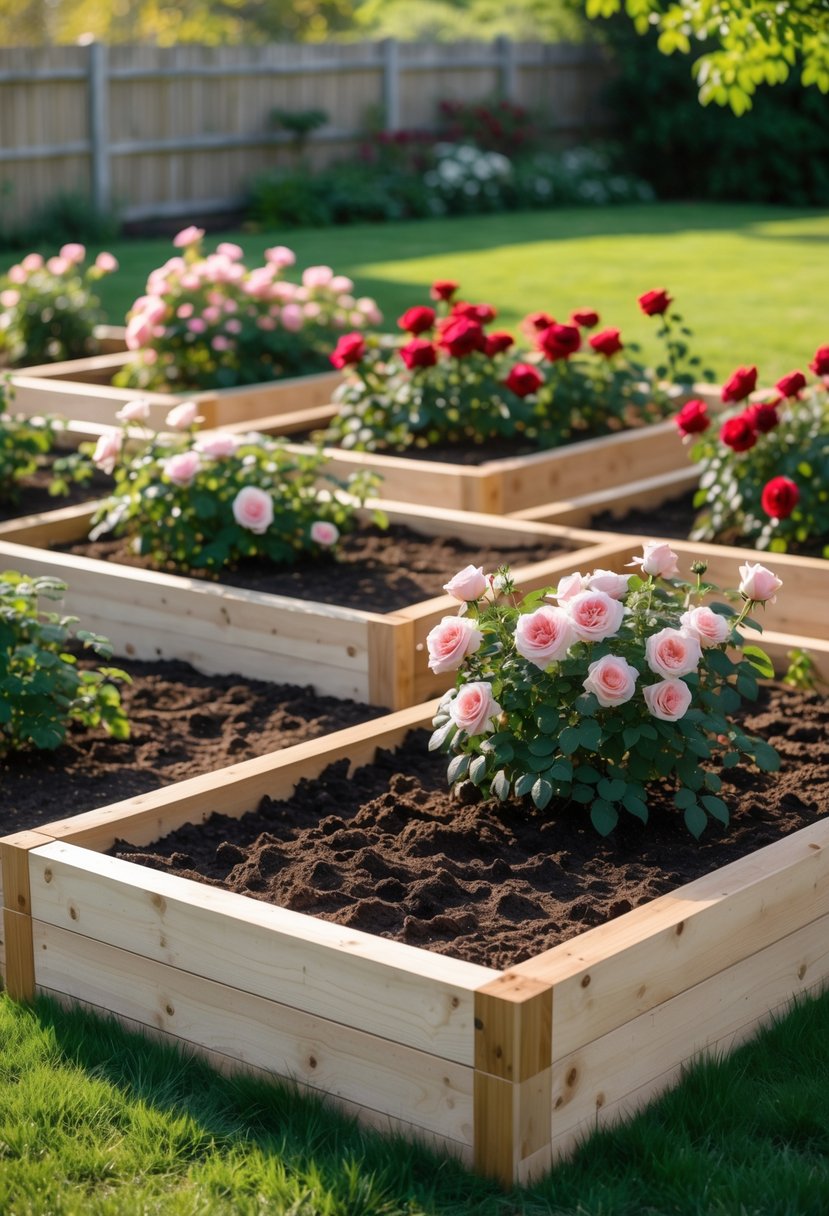
Using raised beds around 7 by 3.5 feet helps keep a rose garden tidy and easy to manage. This size is small enough to reach all plants without stepping inside the bed. It also offers enough space for roses to grow without crowding.
Raised beds this size create clear boundaries for each group of roses. They help control soil quality and improve drainage, which is good for rose health. The beds make it simpler to weed, water, and prune plants regularly.
This layout keeps the garden organized and visually appealing. It also helps with planting different rose varieties in a structured way, making care and maintenance more efficient.
Create a cottage-style layout with English roses
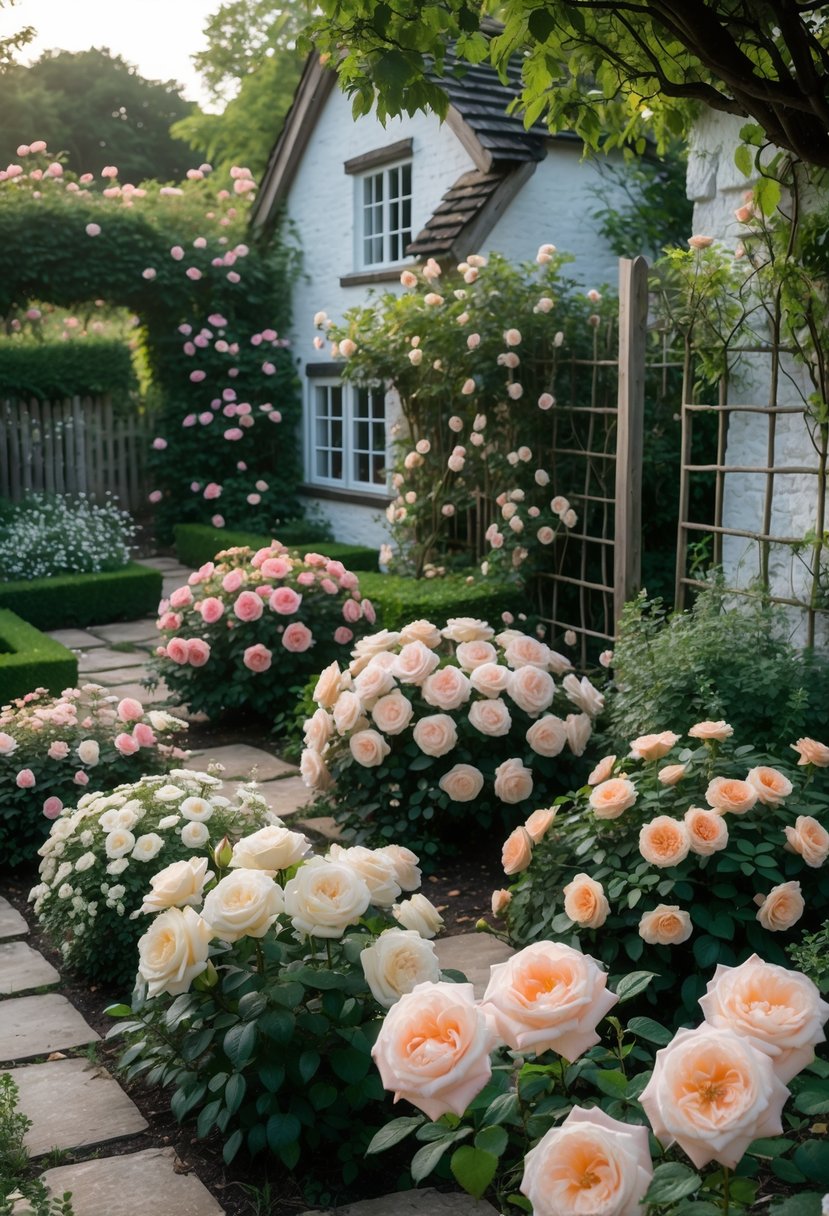
English roses are essential for a cottage-style garden. They offer soft blooms and gentle fragrance that fit the classic look.
A layout can include climbing roses on arches or walls. These create a welcoming and romantic atmosphere.
Planting rambling roses along pathways or near doors adds charm and structure. Mixing roses with herbs and perennials keeps the garden natural but planned.
The key is layering plants while keeping the space relaxed and inviting. This style blends beauty with a simple, timeless design.
Arrange roses by bloom time for continuous flowering
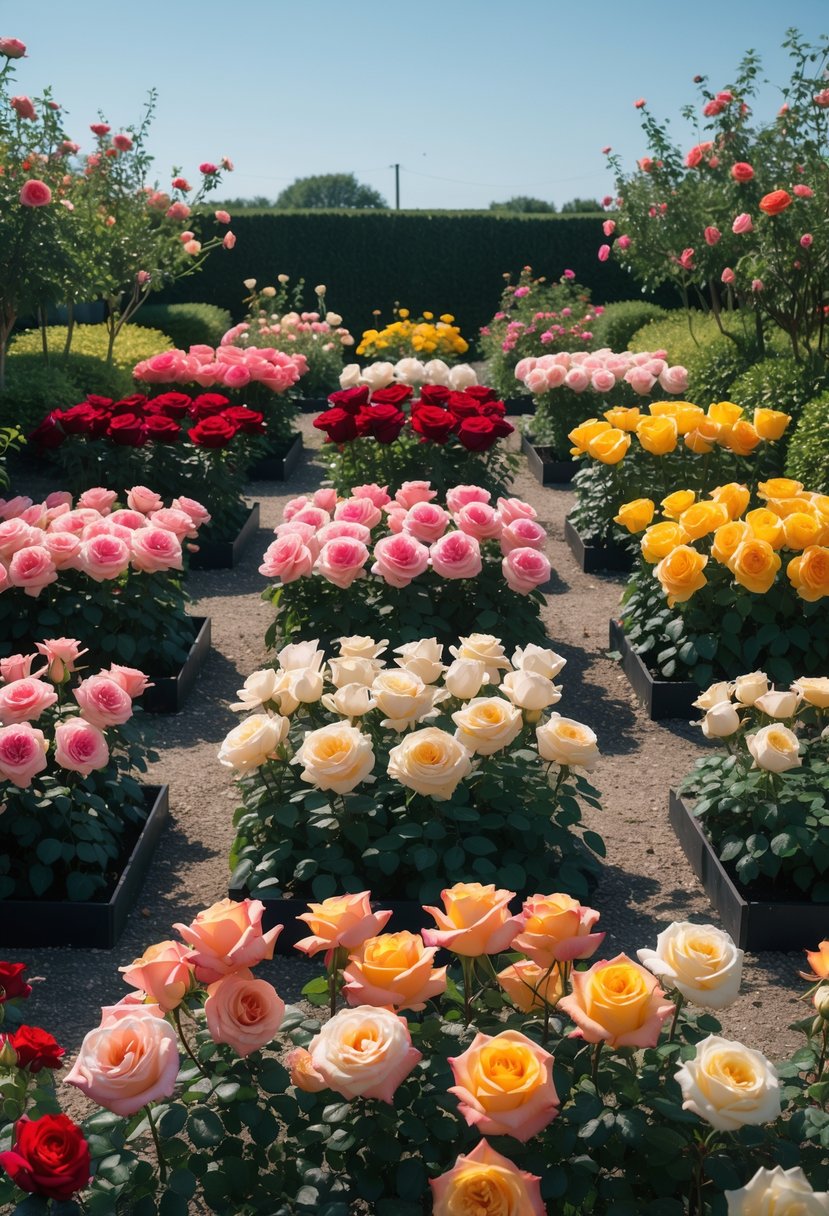
He can plant roses with different bloom times to keep flowers showing all season. Early bloomers provide color in spring, while repeat bloomers add flowers through summer and fall.
They need to know each variety’s blooming schedule before planting. Mixing early, mid, and late bloomers creates a steady flow of flowers.
She should space roses well to allow good air circulation, which helps keep blooms healthy longer. This plan reduces gaps without flowers in the garden.
Include seating areas within the garden layout
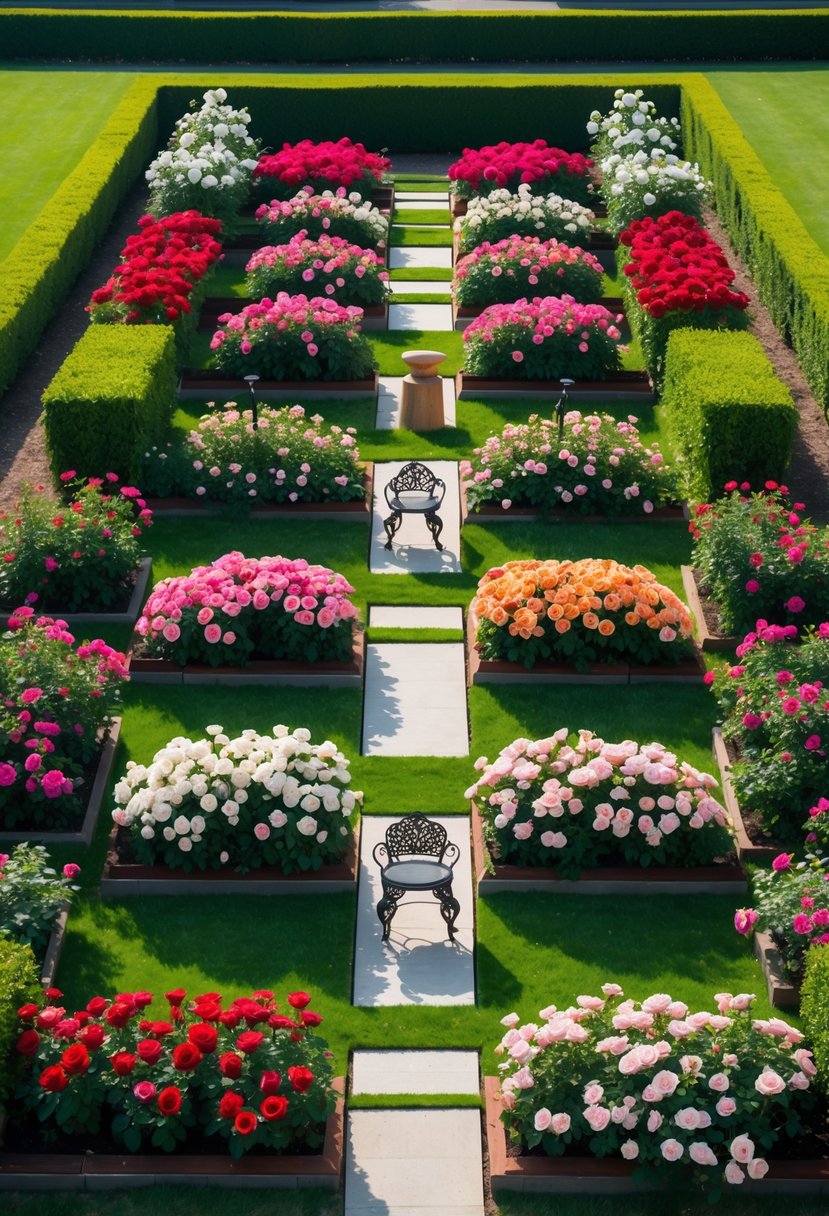
Seating areas give people a place to rest and enjoy the roses up close. Placing benches or chairs in shaded spots makes the garden more comfortable during warm days.
Seating near windows or paths allows for easy access and good views of the roses. It encourages visitors to spend more time in the garden and appreciate its beauty.
Multiple seating spots spread throughout the garden offer different perspectives. These areas can create quiet spaces or social spots depending on the garden’s size and design.
Conclusion
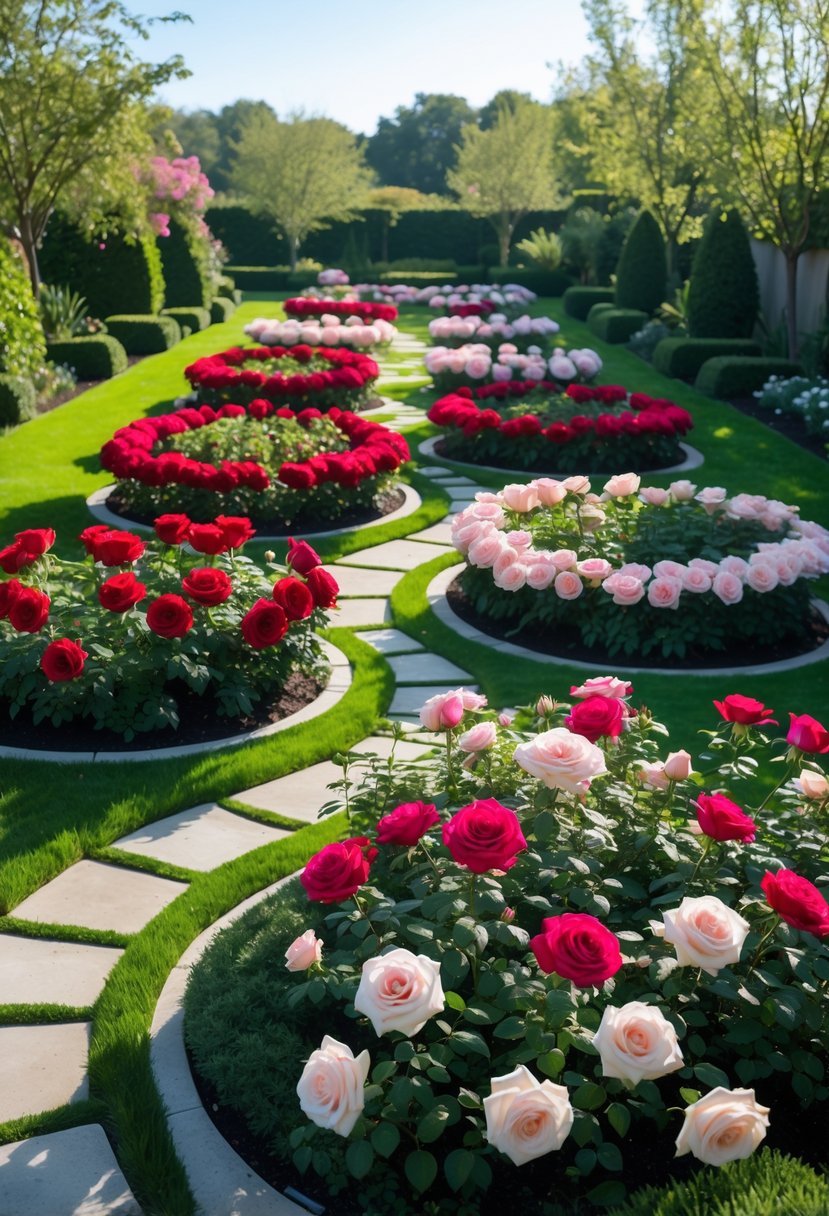
A successful rose garden layout depends on careful planning and consistent care. Choosing the right location with adequate sunlight and well-drained soil helps roses thrive.
It is important to select rose varieties suited to the climate and garden space. Mixing different types can add interest and variety to the garden’s appearance.
Regular maintenance, such as pruning and watering, ensures healthy growth and promotes continuous blooming. Removing dead wood also helps maintain strong plants.
Using containers or raised beds offers flexibility, especially in smaller yards or variable climates. This approach can protect roses during unfavorable weather.
In design, balance function and aesthetics. Paths, spacing, and companion plants should create a pleasing flow while supporting rose health.
Key points to remember:
- Pick sunny, well-drained locations
- Match rose types to the environment
- Maintain with pruning and watering
- Use containers or beds if needed
- Plan layout for beauty and ease of care
A thoughtful layout combines these elements to create a beautiful, manageable rose garden that can be enjoyed for years.