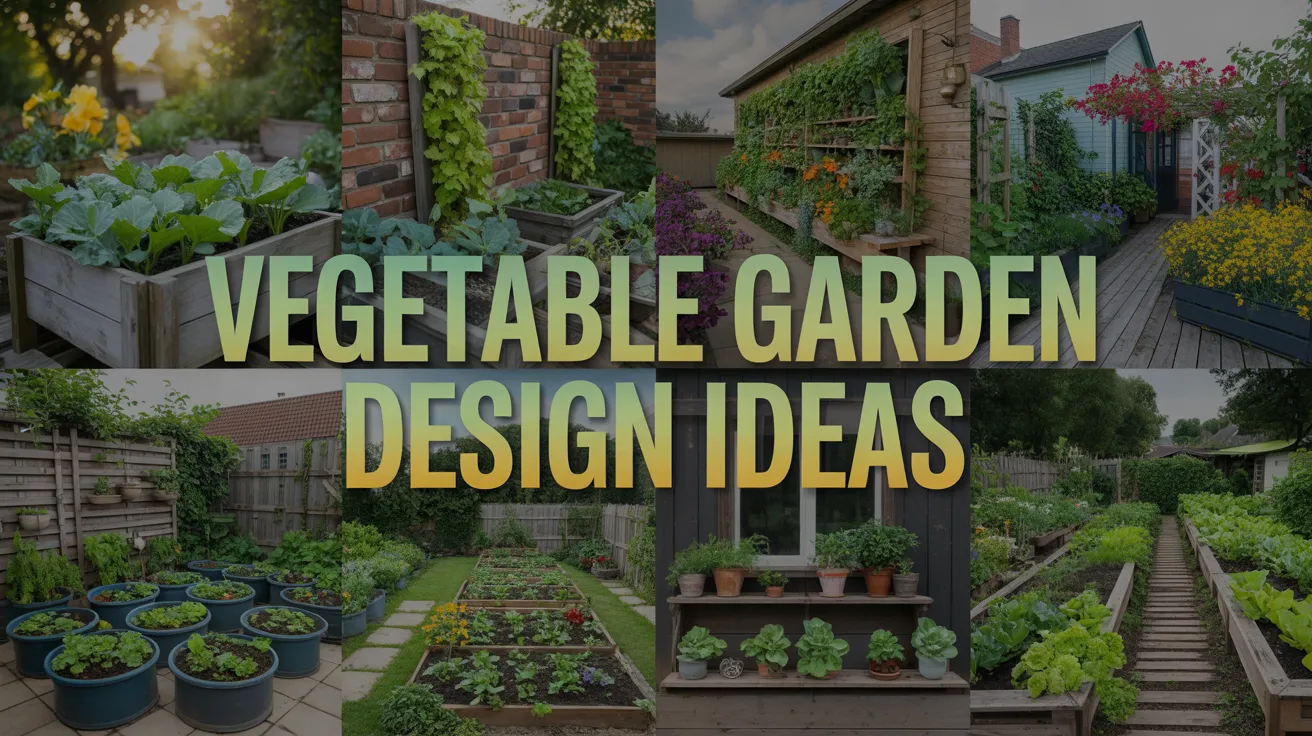
14 Beautiful Vegetable Garden Design Ideas for Small Backyards
Many people with small backyards want to grow their own vegetables but worry about limited space. With smart planning and design, even the smallest areas can become productive and attractive vegetable gardens.
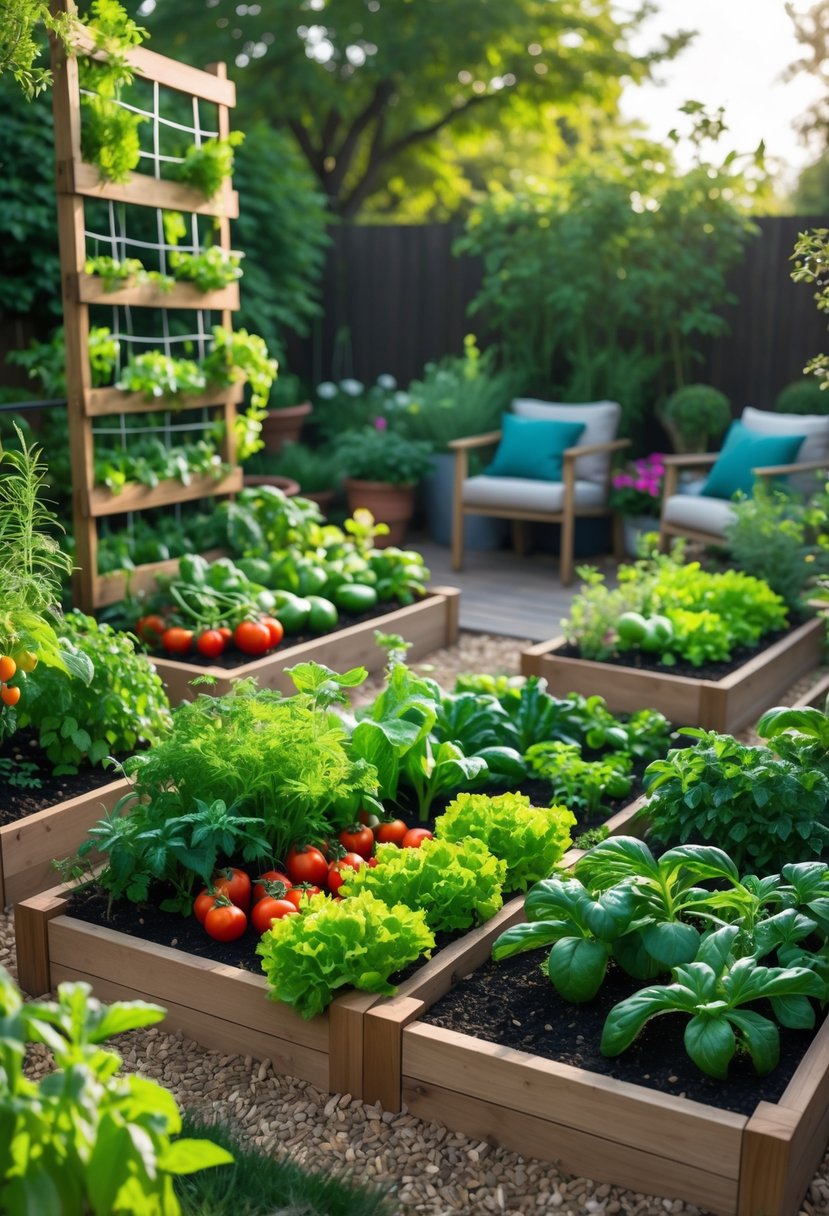
These 14 vegetable garden design ideas show how to make the most of small outdoor spaces by combining beauty and function. They help gardeners create efficient layouts that fit their space and lifestyle.
Vertical garden towers for space-efficient planting
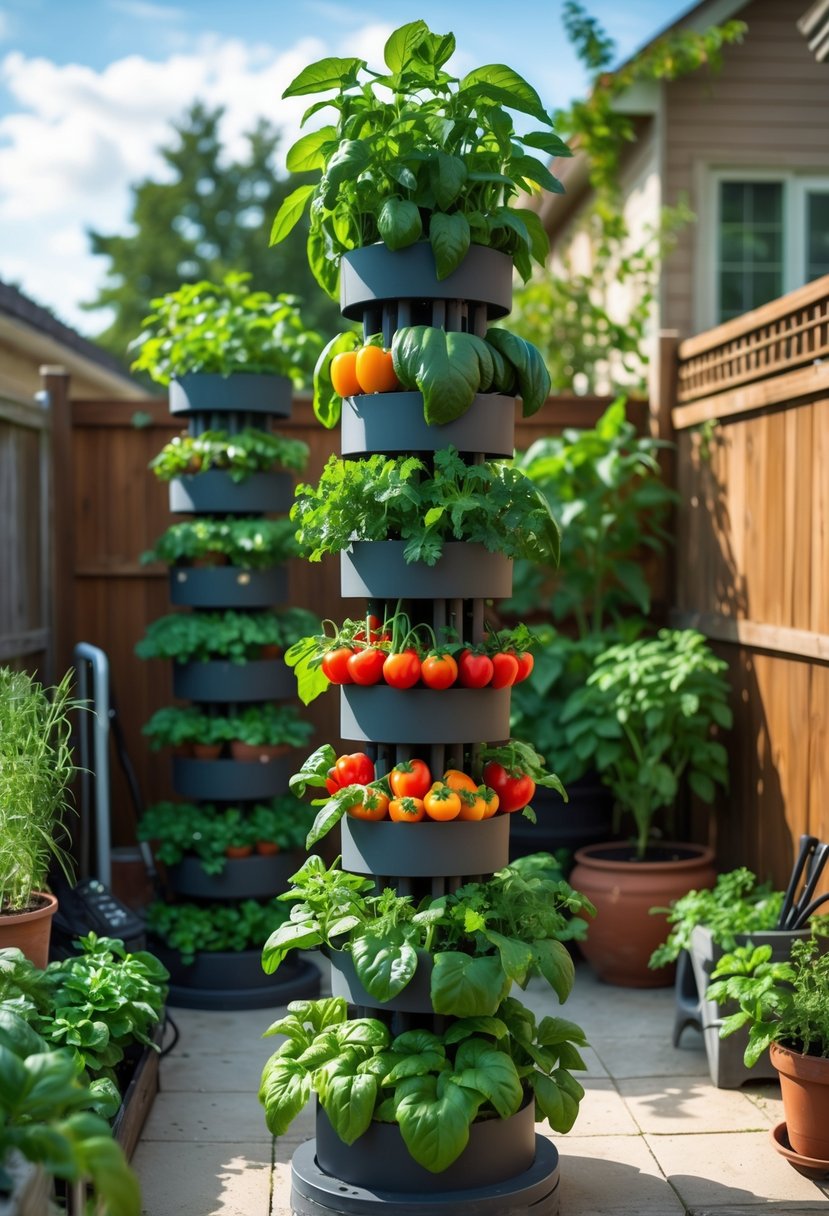
Vertical garden towers use height to grow more plants in less ground space. They often have multiple levels or pockets for planting, making them ideal for small backyards.
These towers improve sunlight exposure for each plant. They also make watering easier by directing water through the structure.
Many designs use affordable materials like PVC pipes or recycled containers. This keeps the cost low while providing an efficient planting system.
Vertical towers work well for herbs, leafy greens, and small vegetables. They help gardeners maximize yield when space is limited without crowding plants.
Raised wooden beds with integrated seating
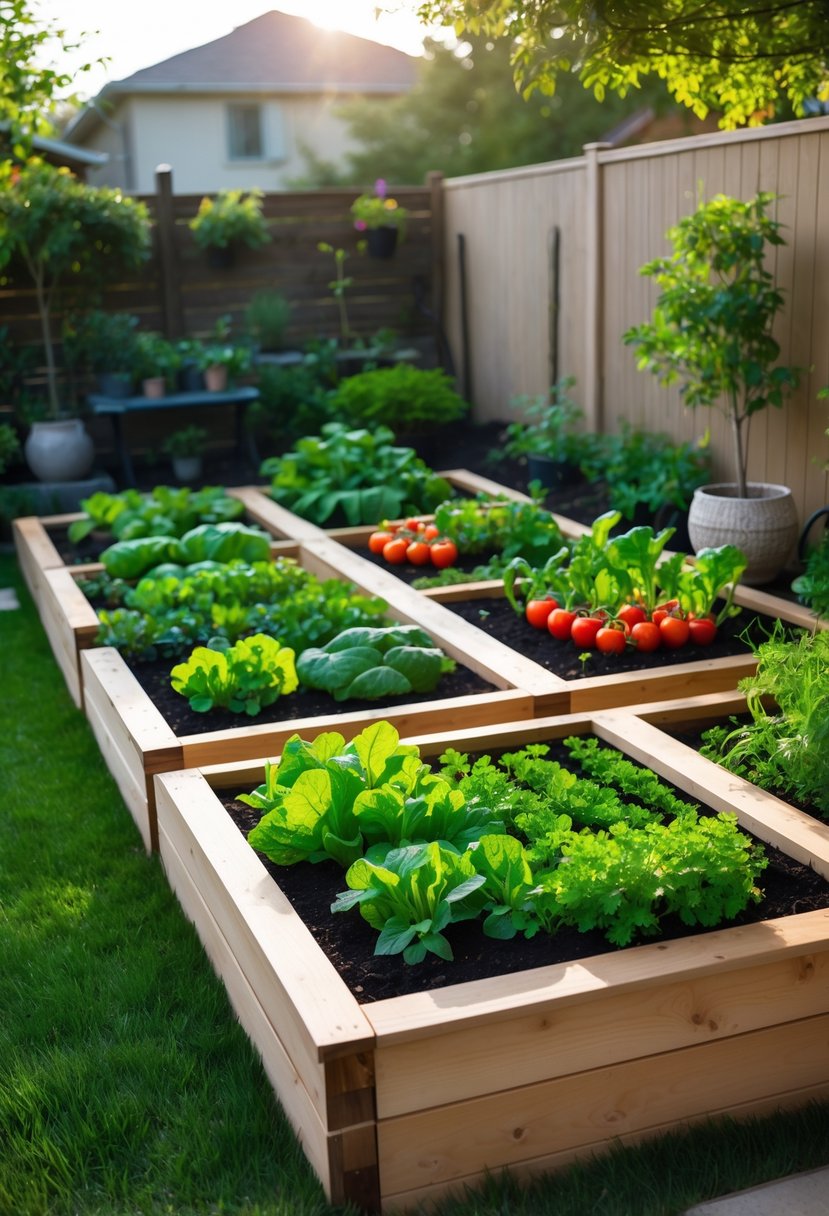
Raised wooden beds with built-in seating combine gardening and relaxation. They save space by allowing people to sit around the garden without adding extra furniture.
The wooden beds provide a sturdy area to grow vegetables. The seating edges make it easier to tend plants without bending too much.
This design works well for small backyards. It creates a neat and organized look while offering a place to rest after gardening tasks. Using durable wood helps the structure last through seasons.
Tiered planting boxes for layered growth
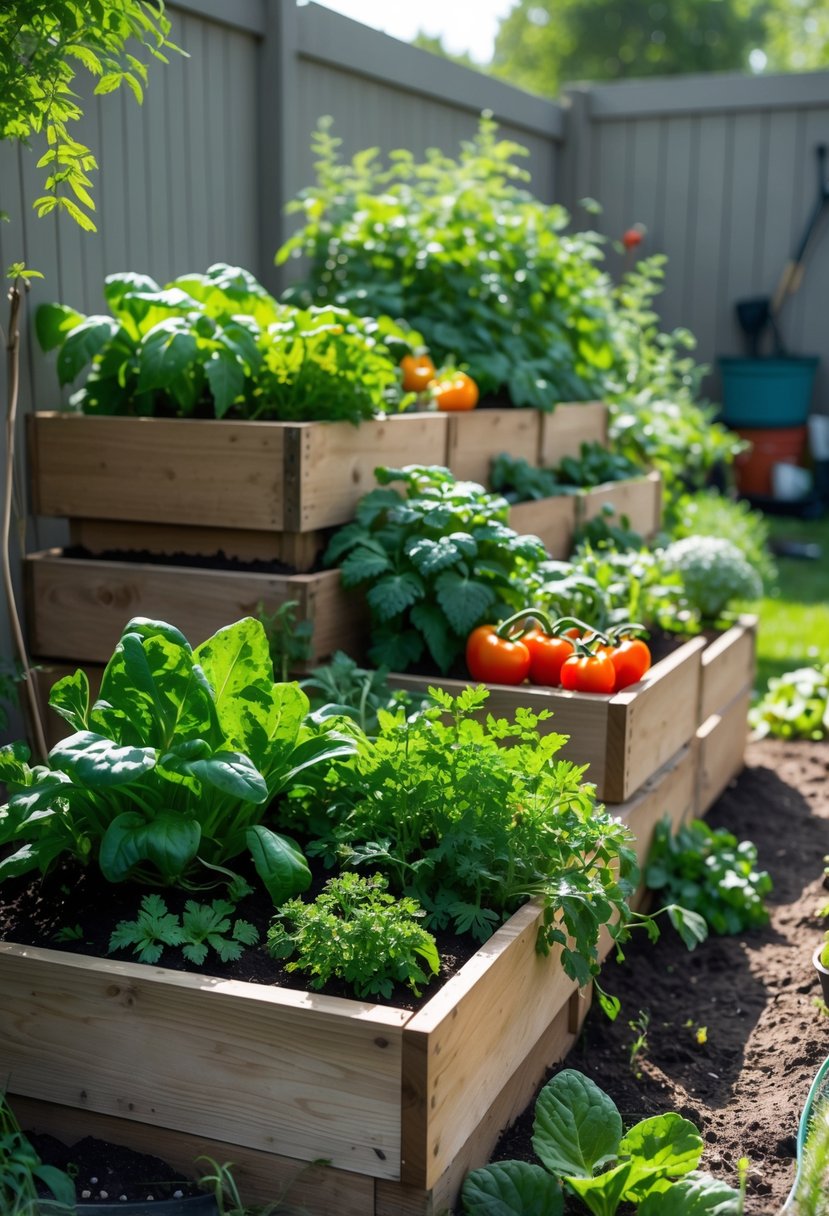
Tiered planting boxes use vertical space to grow more plants in a small area. They stack planting beds at different heights, allowing better use of garden space.
This design helps with drainage and air flow, which supports healthier plant roots. Lower boxes are easier to reach for planting and harvesting, while higher tiers suit plants that need more sunlight.
Gardeners can grow a mix of vegetables, herbs, and flowers in one compact space. Tiered boxes also add visual interest to small yards, making them look organized and neat.
Compact container herb gardens
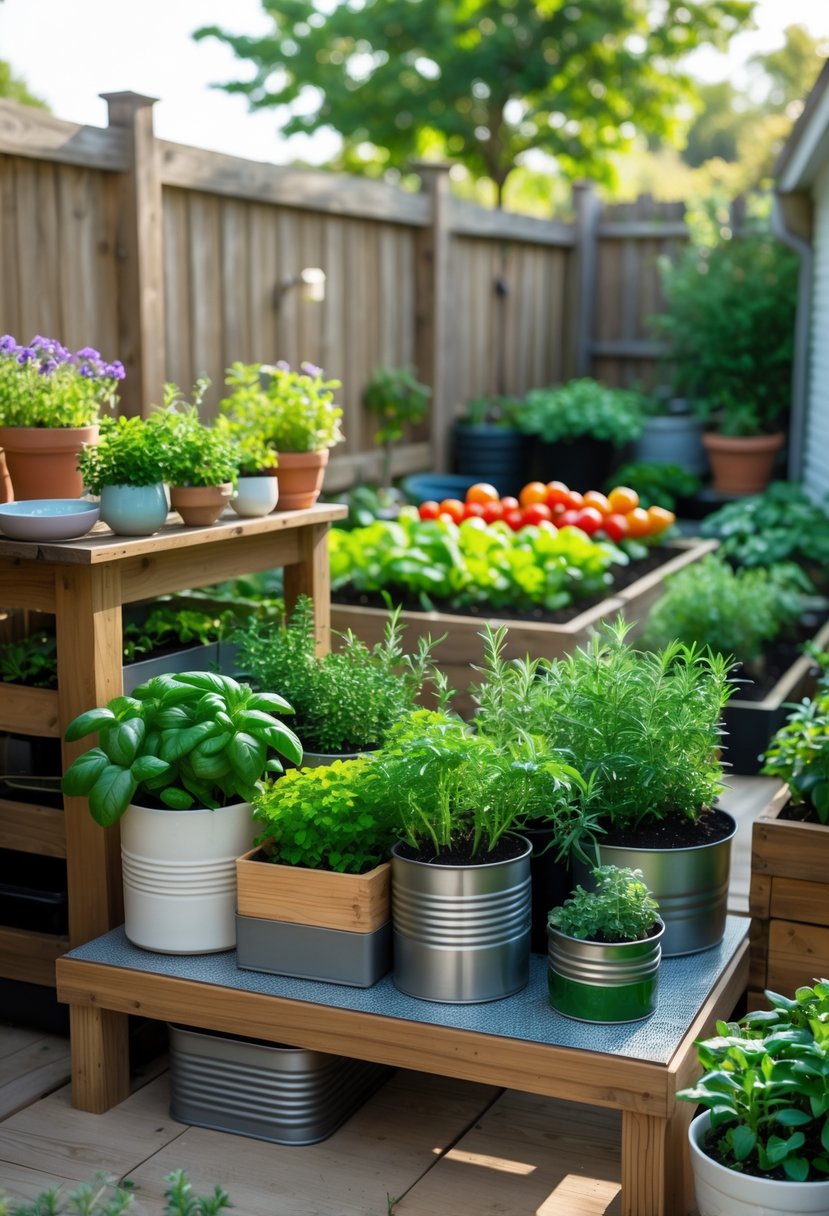
Compact container herb gardens fit well in small backyards. They use pots, hanging planters, or small raised beds. This makes it easy to move plants and adjust sunlight.
Herbs like basil, thyme, and parsley grow well in containers. They need regular watering and good drainage. Containers help control soil quality and pests better.
Group herbs with similar needs together for easier care. Adding decorative pots can enhance the garden’s look. This method saves space while keeping fresh herbs close at hand.
Square-foot gardening grids
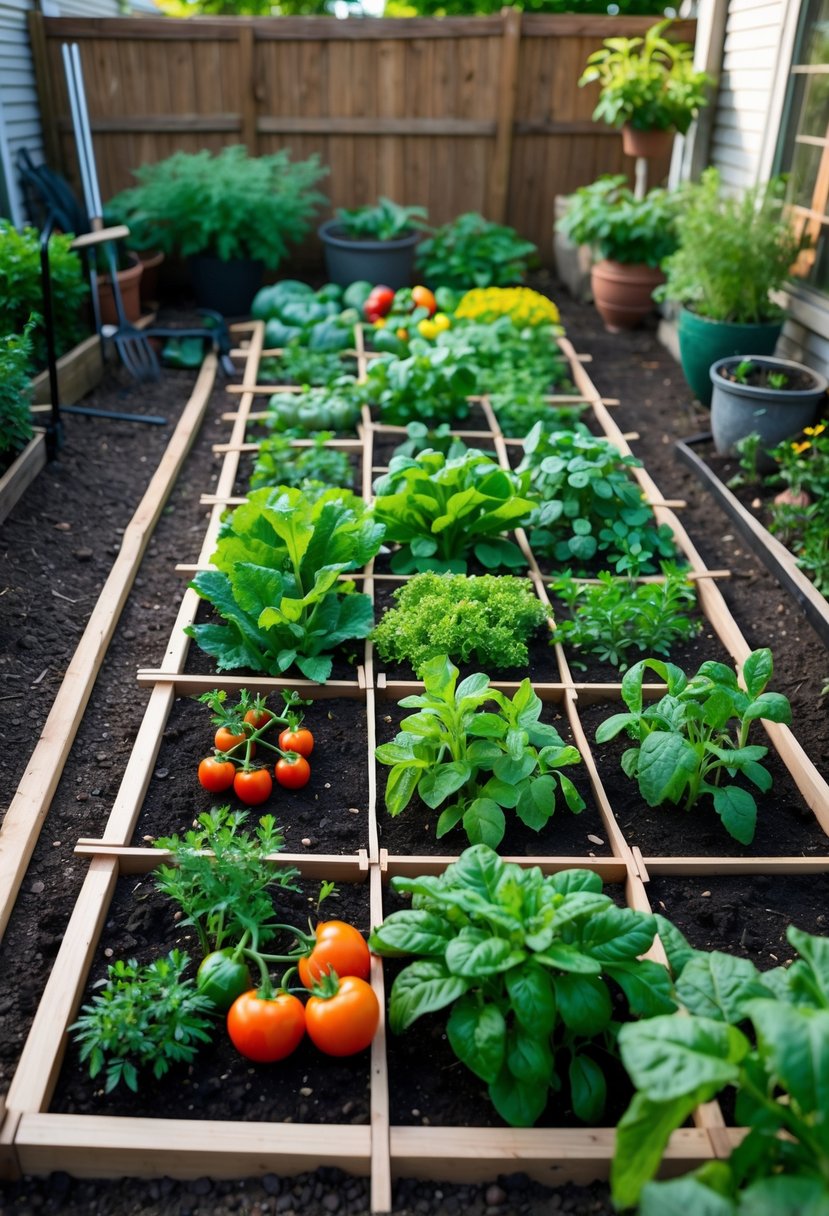
Square-foot gardening grids divide the garden into small 12-inch sections. Each square is used to grow a different vegetable or herb. This helps organize plants and makes the best use of limited space.
The grid system allows gardeners to plant densely while keeping the garden easy to maintain. Smaller crops like lettuce fit well in single squares, while larger plants need multiple connected squares.
Using a grid also makes planting and harvesting simpler. It provides clear spacing and helps prevent overcrowding. This method suits small backyards where maximizing every inch matters.
Trellises for climbing vegetables
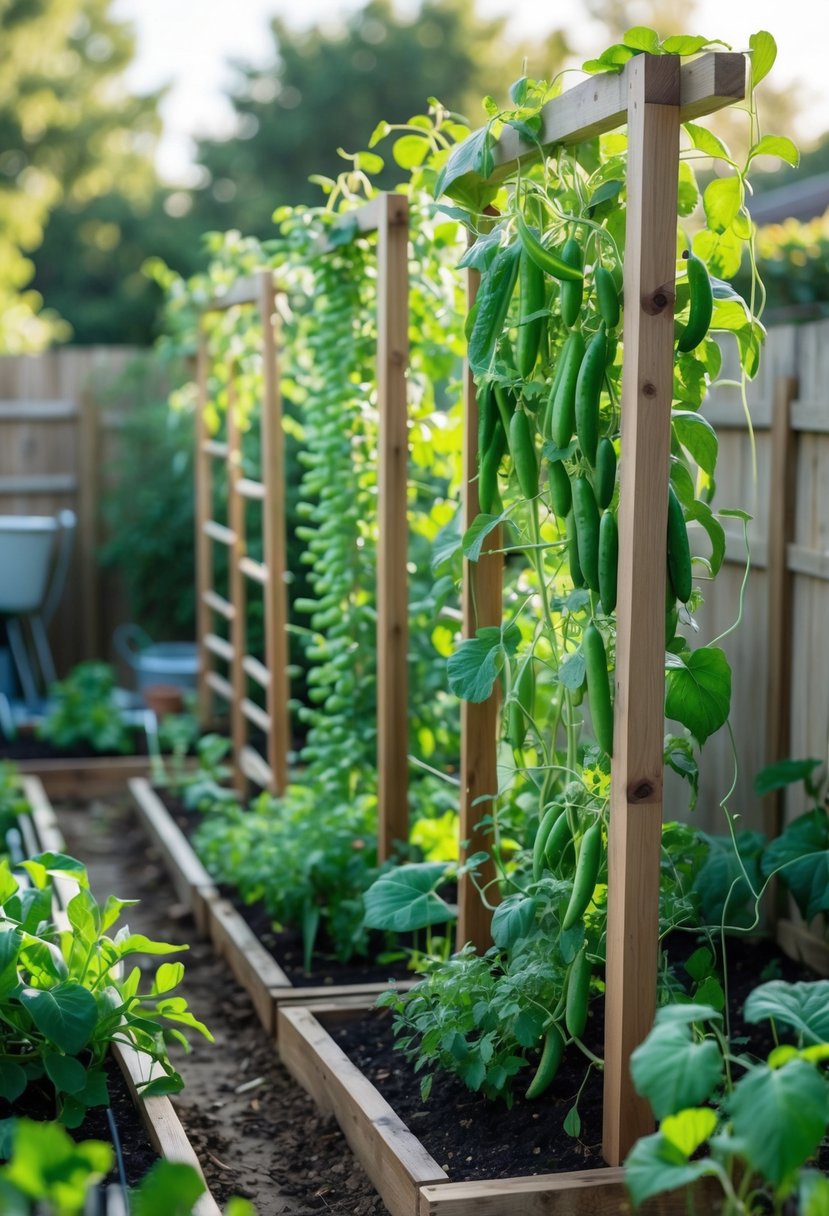
Trellises help climbing vegetables grow upward, saving space in small yards. They provide strong support for plants like tomatoes, cucumbers, and beans. This vertical growth improves air circulation and sunlight exposure.
Using a trellis also keeps plants off the ground, reducing the risk of disease. Trellises come in many styles, from simple DIY frames to decorative designs. They add both function and beauty to a small vegetable garden.
A well-placed trellis makes harvesting easier and keeps the garden neat. It allows gardeners to grow more food in limited space without crowding plants. Trellises are a practical tool for small backyard vegetable gardens.
Succession planting layouts

Succession planting helps gardeners get multiple harvests from a small space. It involves planting new crops soon after the previous ones are harvested. This keeps the garden producing continuously throughout the growing season.
In small backyards, succession planting works best with compact layouts. Rows or blocks can be divided into sections for different crops. As one crop finishes, another is ready to grow in the same space.
Gardeners should plan crops by their growing time. Fast-growing vegetables like lettuce or radishes can follow longer-season plants such as tomatoes. This method maximizes yield without needing extra garden space.
Using succession planting layouts also reduces wasted space. It allows for efficient use of soil and sunlight, creating a steady and organized garden flow.
Companion planting combinations
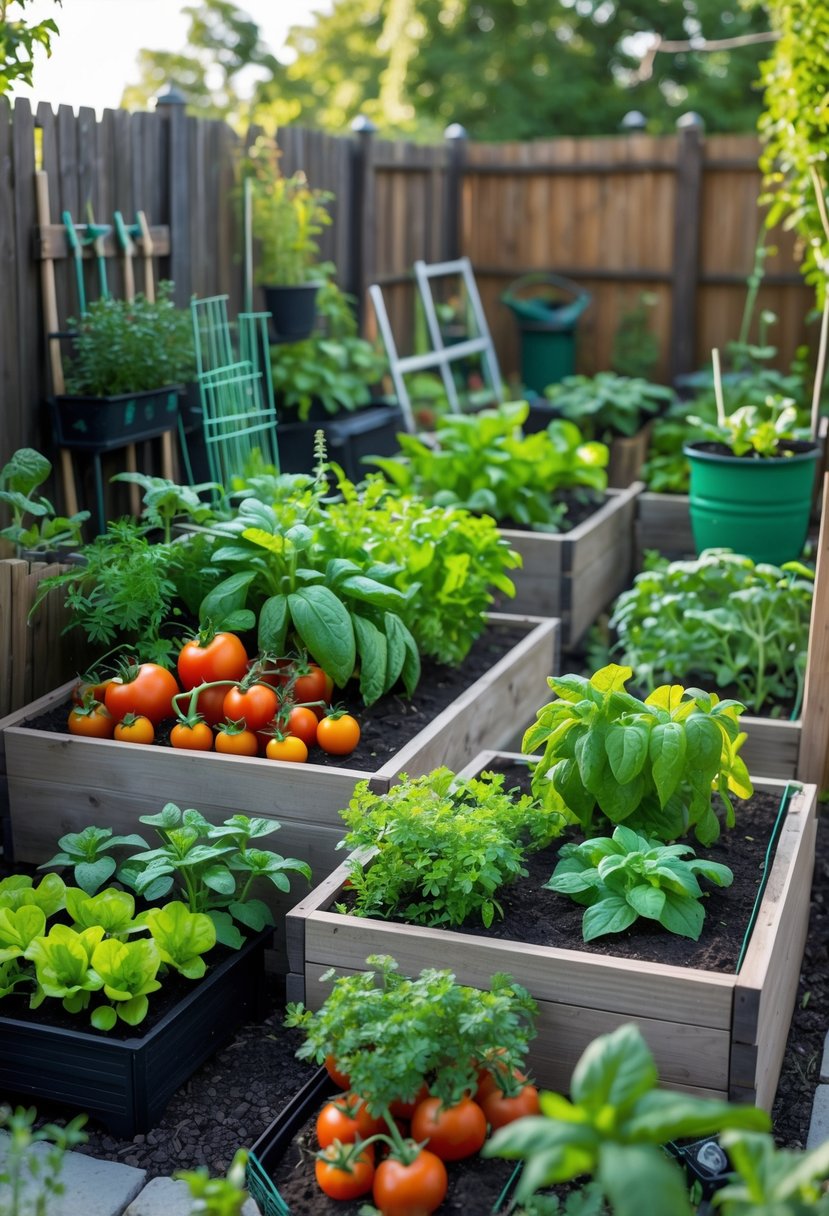
Companion planting pairs certain plants to help each other grow. For example, basil planted near tomatoes can improve tomato flavor and help keep pests like aphids away.
Some plants release natural chemicals that protect nearby crops. Marigolds are often used to repel harmful insects.
Planting different crops together can also use space better. Beans fix nitrogen in the soil, which benefits leafy greens nearby.
Choosing the right combinations can lead to healthier plants and fewer pests without chemicals. It supports a balanced garden ecosystem in small spaces.
Reclaimed pallet garden beds
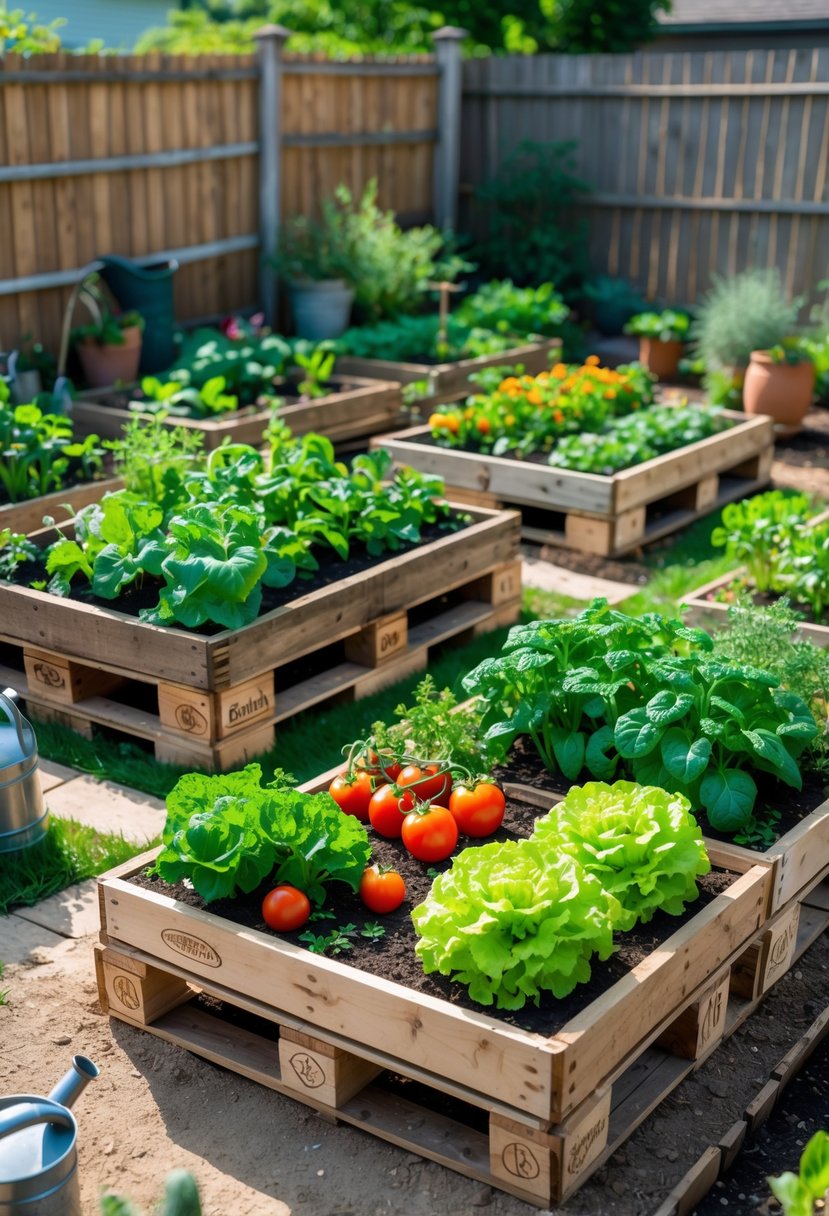
Reclaimed pallets offer an affordable way to build raised garden beds. They are easy to find at recycling centers or online. People can stack and arrange them to fit small backyard spaces.
These beds improve drainage and soil quality, making planting and harvesting easier. Pallets also add a rustic look to the garden. They work well for growing vegetables, herbs, and flowers.
Using pallets reduces waste and supports eco-friendly gardening. With some basic tools, anyone can create a functional garden bed. This option is practical, budget-friendly, and ideal for small spaces.
Hanging basket vegetable planters

Hanging basket vegetable planters are a great way to use vertical space in small backyards. They allow gardeners to grow fresh vegetables without taking up ground area.
These planters work well for compact vegetables like tomatoes, peppers, spinach, and herbs. Grouping different plants in tiered baskets can create a mini garden that is both practical and attractive.
Hanging baskets also help keep plants off the ground, reducing pests and improving air circulation. They fit nicely on balconies, patios, or near walls, making them versatile for many outdoor spaces.
With some care in watering and sunlight, hanging baskets can produce healthy, fresh vegetables even in tight spaces.
DIY gutter garden setup
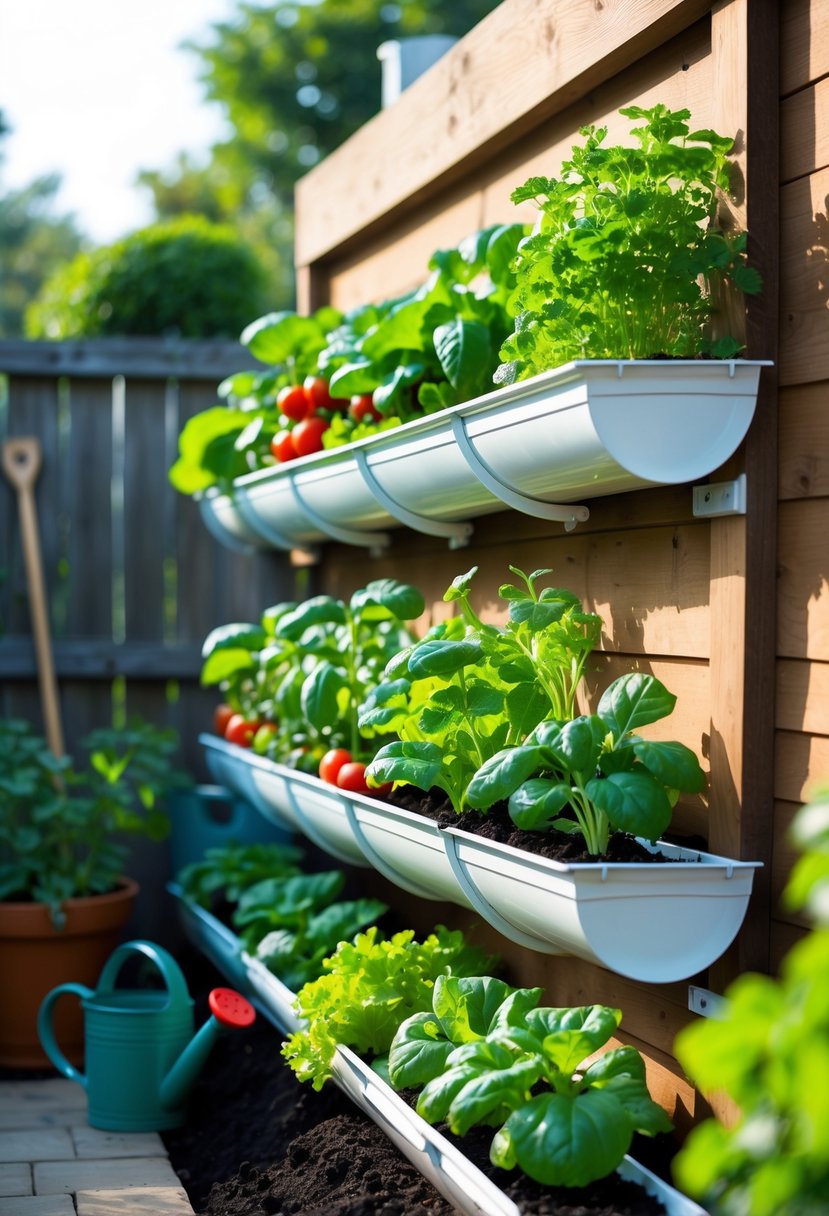
A gutter garden uses old rain gutters as long, narrow planters. It saves space and works well on walls, fences, or balconies.
To start, they mount gutters horizontally with brackets or hooks. Good drainage holes are needed to prevent water buildup.
Soil and plants go inside the gutters. Herbs, lettuce, and small veggies work best.
Watering is easier since gutters can be set at an angle for proper flow. This method helps grow more plants in tight spaces with minimal effort.
Modular planter systems
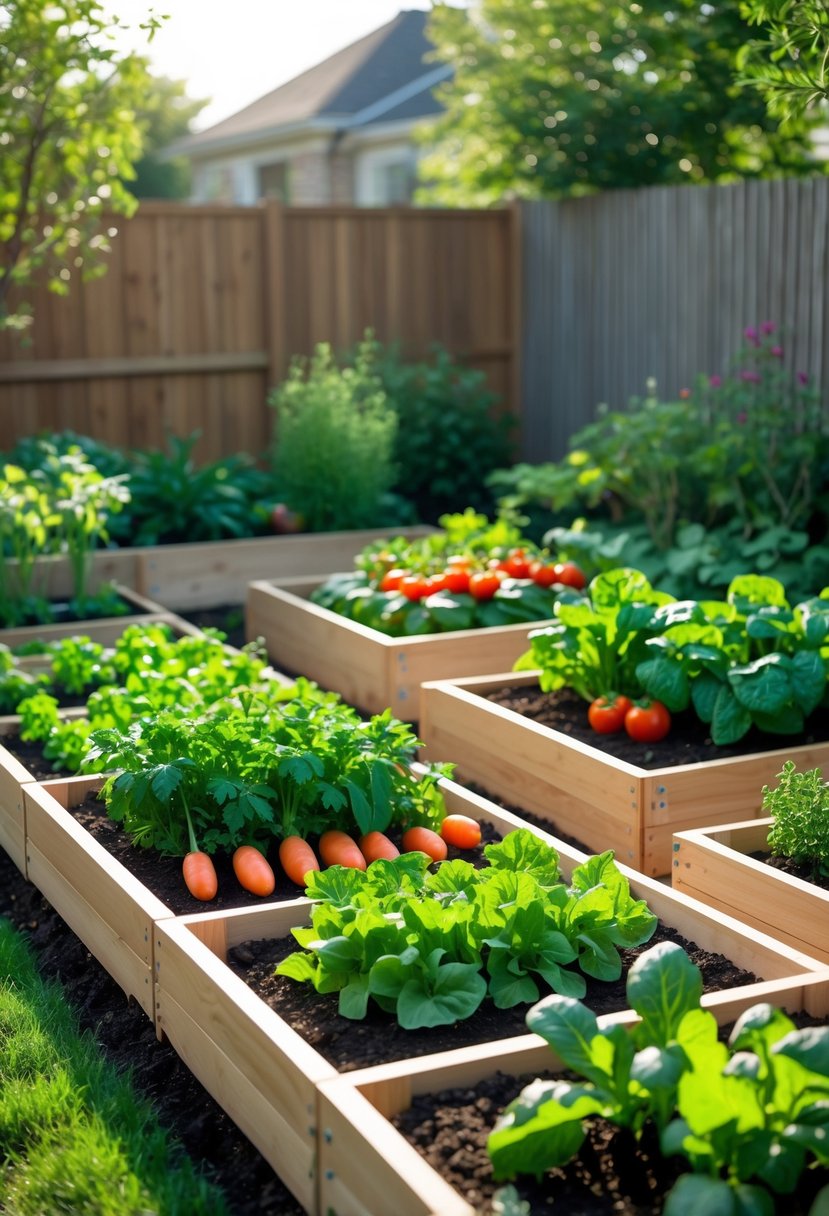
Modular planter systems use separate containers that fit together in various layouts. They allow gardeners to customize their space based on the yard’s size and shape. These systems are useful for growing different vegetables in a neat, organized way.
Some modular planters come with built-in watering features, making plant care easier. They can be attached to walls or used as freestanding units. This adds vertical space for more planting without taking up much ground area, perfect for small backyards.
Pathway-bordered vegetable rows
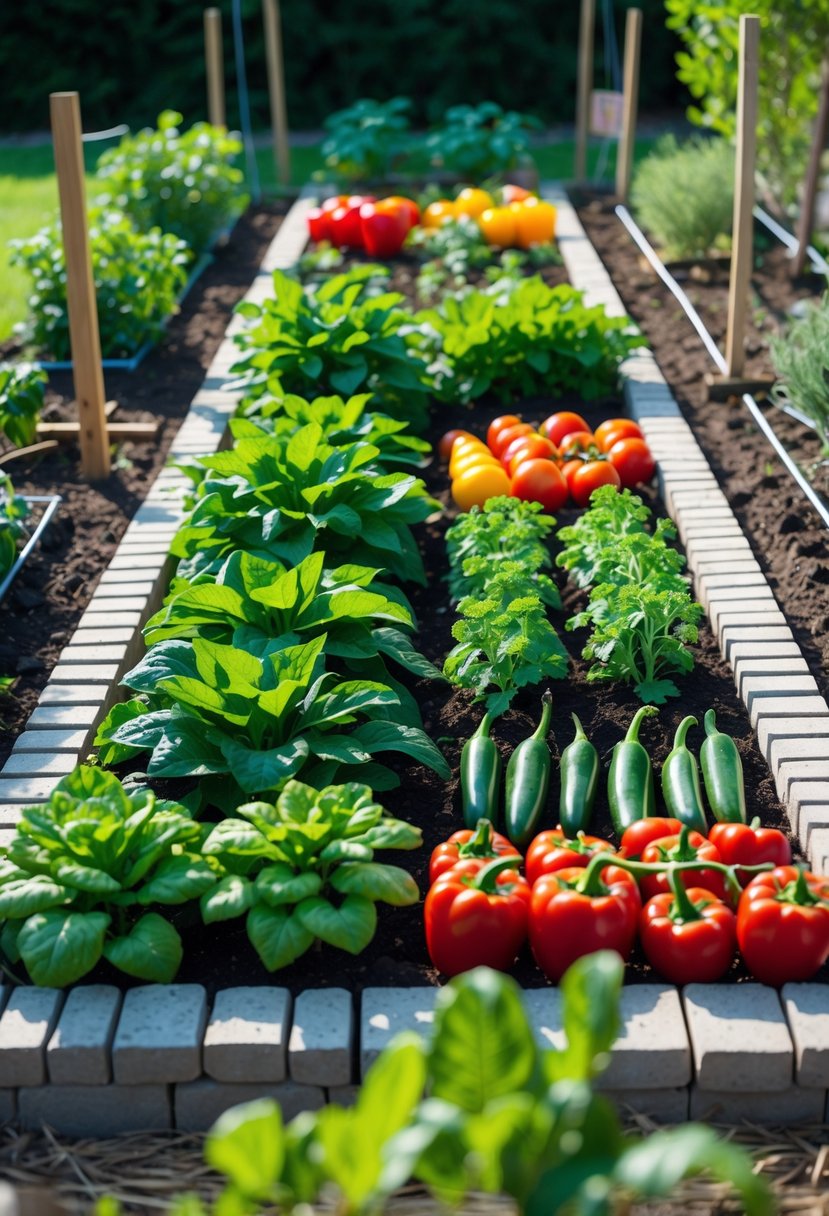
Pathways between vegetable rows help keep the garden organized and easy to access. They allow gardeners to move without stepping on plants or compacting the soil.
Materials like gravel, wood mulch, or stepping stones work well to create clear paths. These options also help prevent weeds and improve drainage.
Borders along the pathways define each vegetable row. Raised edges or simple wooden planks can separate paths from planting areas. This keeps soil and mulch in place.
Overall, pathway-bordered rows make small backyard gardens more usable and neat. They combine function with a simple, clean look that helps plants thrive.
Mixing flowers and vegetables for pest control

Mixing flowers with vegetables can help reduce pests naturally. Certain flowers attract beneficial insects that feed on harmful bugs. This creates a balance in the garden without needing chemicals.
Marigolds, nasturtiums, and calendula are good choices for keeping pests away. They act as natural barriers for vegetables. These flowers also attract pollinators, which improve vegetable growth.
Planting flowers near vegetables adds color and helps protect crops at the same time. Gardeners should choose flowers that suit their local climate and pest problems. This strategy supports a healthier and more productive garden.
Key Principles for Designing Small Vegetable Gardens
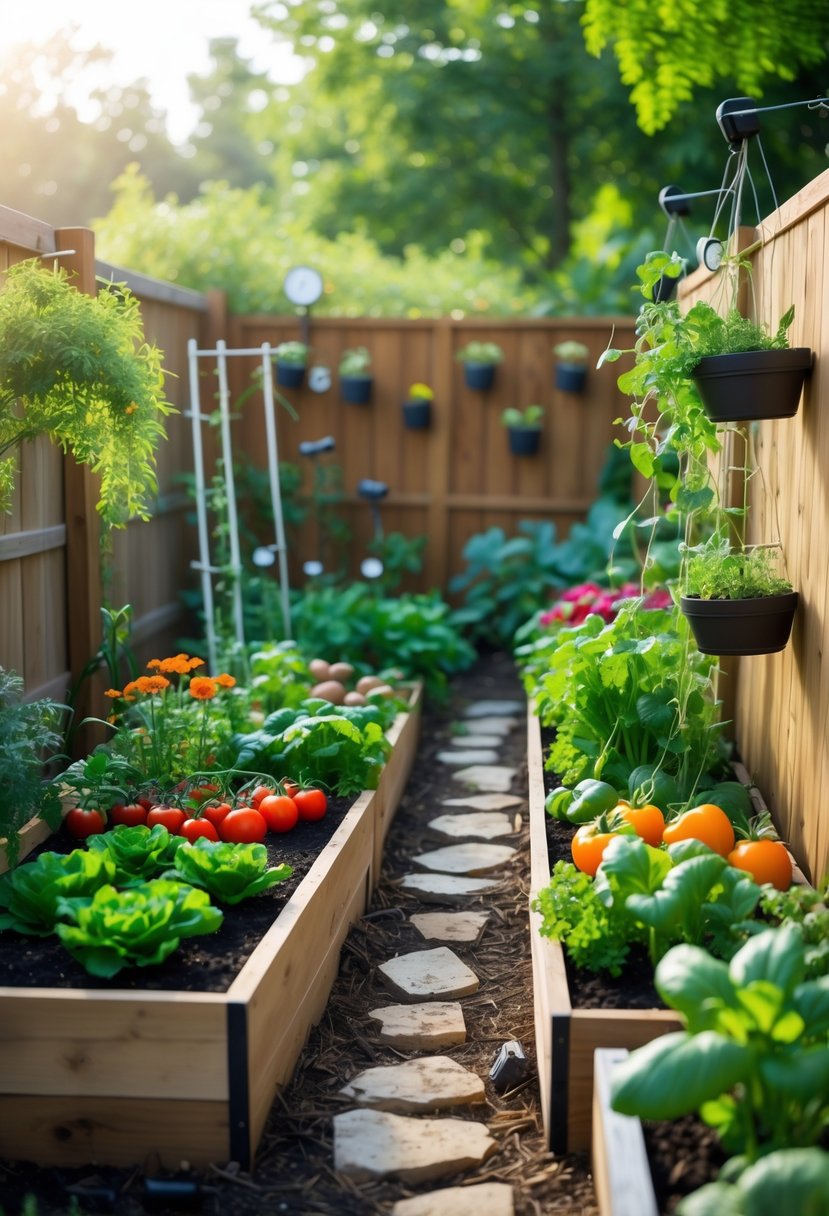
Designing a small vegetable garden requires smart planning and careful choices. Efficient use of space, selecting vegetables suited to the garden’s conditions, and combining beauty with usefulness are essential.
Maximizing Space Efficiency
Using vertical space is a great way to grow more in a small area. Trellises, wall-mounted planters, and tall cages allow plants like beans, cucumbers, and tomatoes to grow upward instead of spreading out. Raised beds also help organize plants and improve soil quality.
Companion planting helps save space and protect plants by growing compatible vegetables close together. For example, planting carrots near onions can reduce pests.
Containers and small pots work well for herbs and leafy greens. Grouping plants with similar sunlight and water needs improves care and reduces waste.
Choosing the Right Vegetables
Selecting vegetables that fit the space and climate is key. Fast-growing crops like radishes, lettuce, and spinach offer quick results and do not need much room.
Heirloom varieties and dwarf cultivars are often better for small gardens because they stay compact but still produce well.
Focusing on vegetables with high yields per square foot, such as bush beans or cherry tomatoes, makes the most of limited space.
It’s important to consider vegetables that suit the garden’s sunlight. Leafy greens do well in spots with partial shade, while tomatoes and peppers need full sun.
Balancing Aesthetics and Function
A small vegetable garden can look neat and inviting while being productive. Using consistent bed shapes, such as rectangles or squares, creates an organized look.
Colorful plants like red Swiss chard or purple basil add visual interest. Mixing leaf shapes and heights can create texture and depth.
Paths should be wide enough for easy watering and harvesting without wasting space. Mulching keeps weeds down and keeps the garden tidy.
Blending edible and decorative plants, like flowers that attract pollinators, supports the garden’s health and appearance.
Conclusion
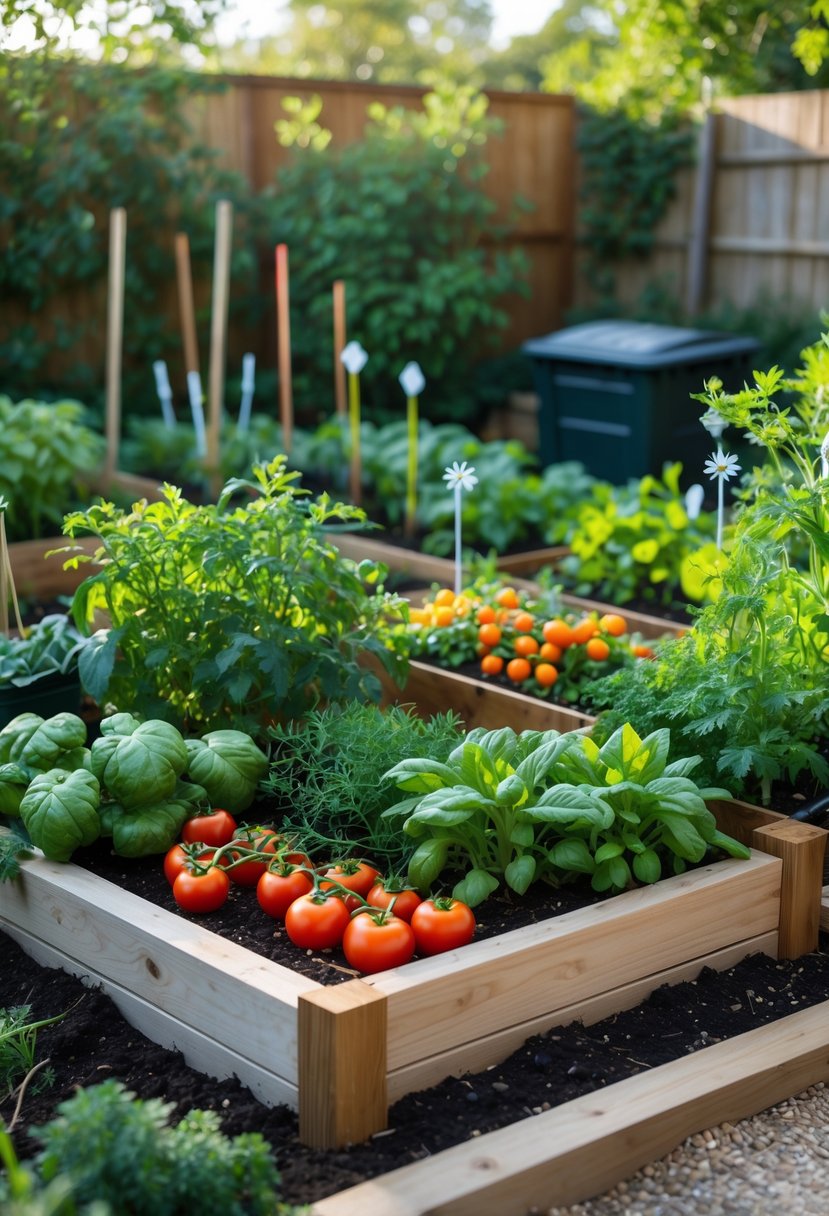
A small backyard does not limit the ability to grow a beautiful and productive vegetable garden. With smart design choices, anyone can make the most of limited space.
Using vertical growing, container gardens, and raised beds allows gardeners to maximize space and improve access to sunlight. Planning the layout carefully helps keep the garden organized and manageable.
In addition, it is important to choose vegetables that suit the space and climate. Succession planting can extend the harvest and keep the garden producing throughout the year.
Success comes from combining creativity with practical techniques. Whether for beginners or experienced growers, small backyard vegetable gardens can provide fresh produce and enhance outdoor spaces.
By applying these ideas thoughtfully, gardeners create a space that is both functional and attractive. The result is a garden that meets personal needs and fits any small backyard.