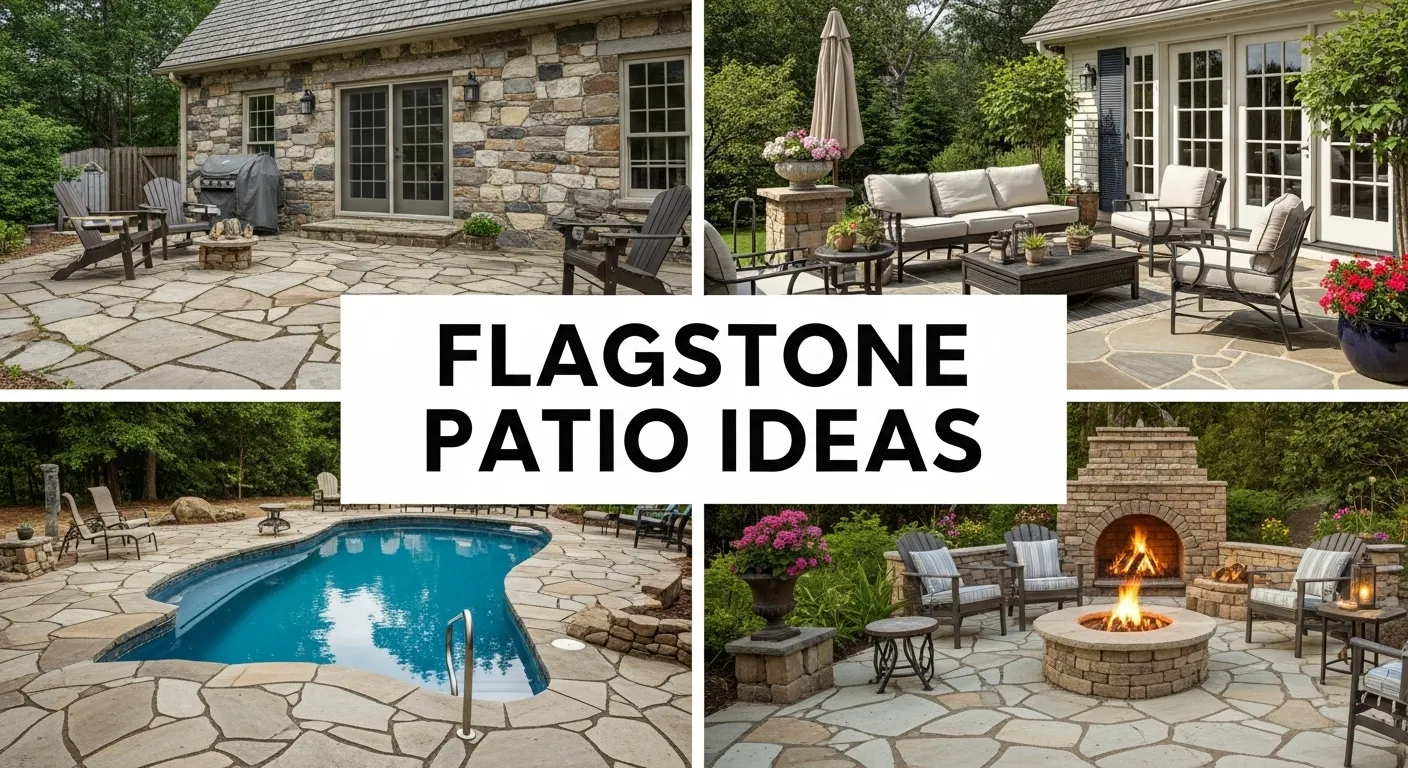
20 Flagstone Patio Ideas for Durable and Stylish Outdoor Spaces
A 20 flagstone patio offers a versatile and attractive outdoor space that can suit many styles and needs. It is a popular choice for homeowners looking to enhance their backyard with a natural, durable surface. Flagstone patios can create inviting areas for relaxing, dining, or gathering with friends and family.
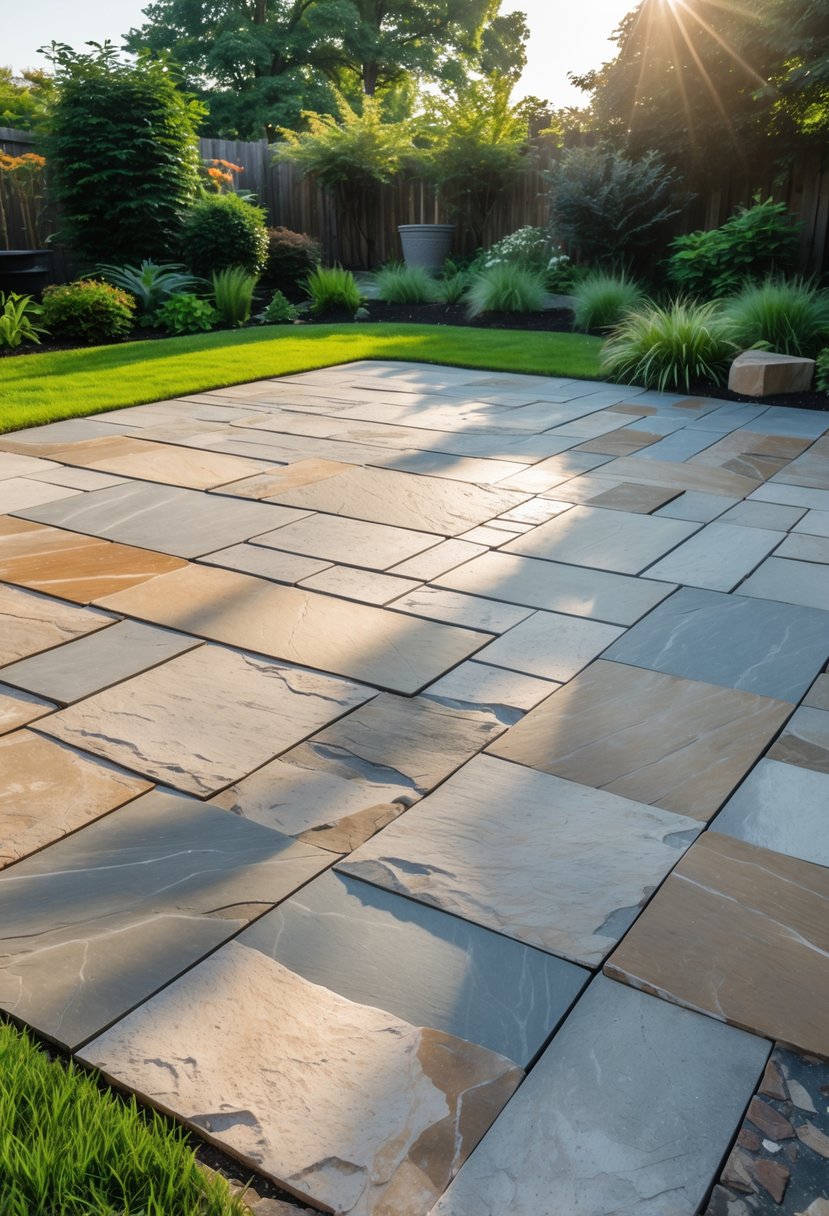
The main value of a 20 flagstone patio is its combination of beauty, strength, and ease of maintenance. Its varied shapes and colors allow for creative designs that fit different landscapes. This makes a flagstone patio a functional and lasting addition to any outdoor living area.
Choose irregular flagstone shapes for a natural look
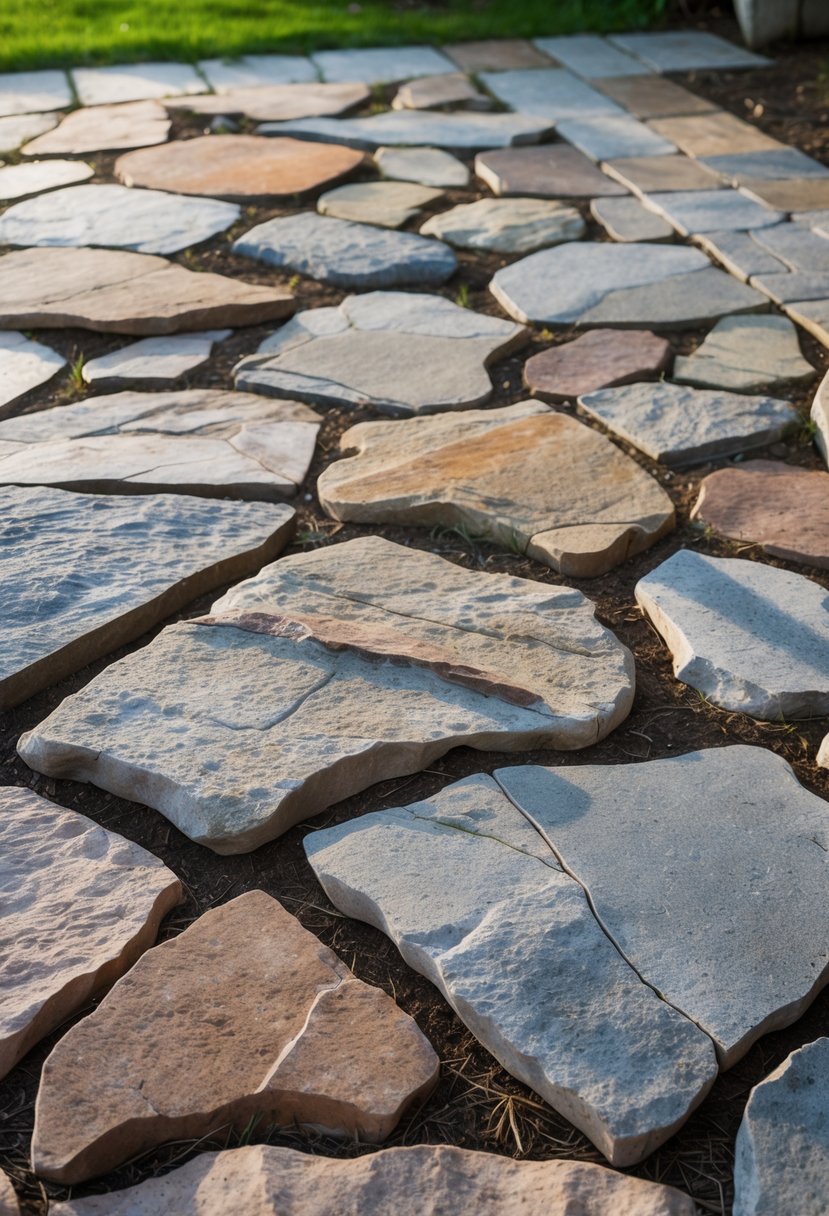
Irregular flagstone shapes create a relaxed, organic appearance. The uneven edges and varied sizes mimic natural stone patterns found outdoors. This helps the patio blend smoothly with gardens, lawns, or wooded areas.
The irregular shapes add character and avoid a too-perfect, man-made feel. Filling gaps with moss or small plants can enhance this natural effect.
These shapes offer a timeless look that fits many landscape styles. They also provide texture and visual interest, making the patio feel like part of the environment.
Use sandstone for warm, earthy tones
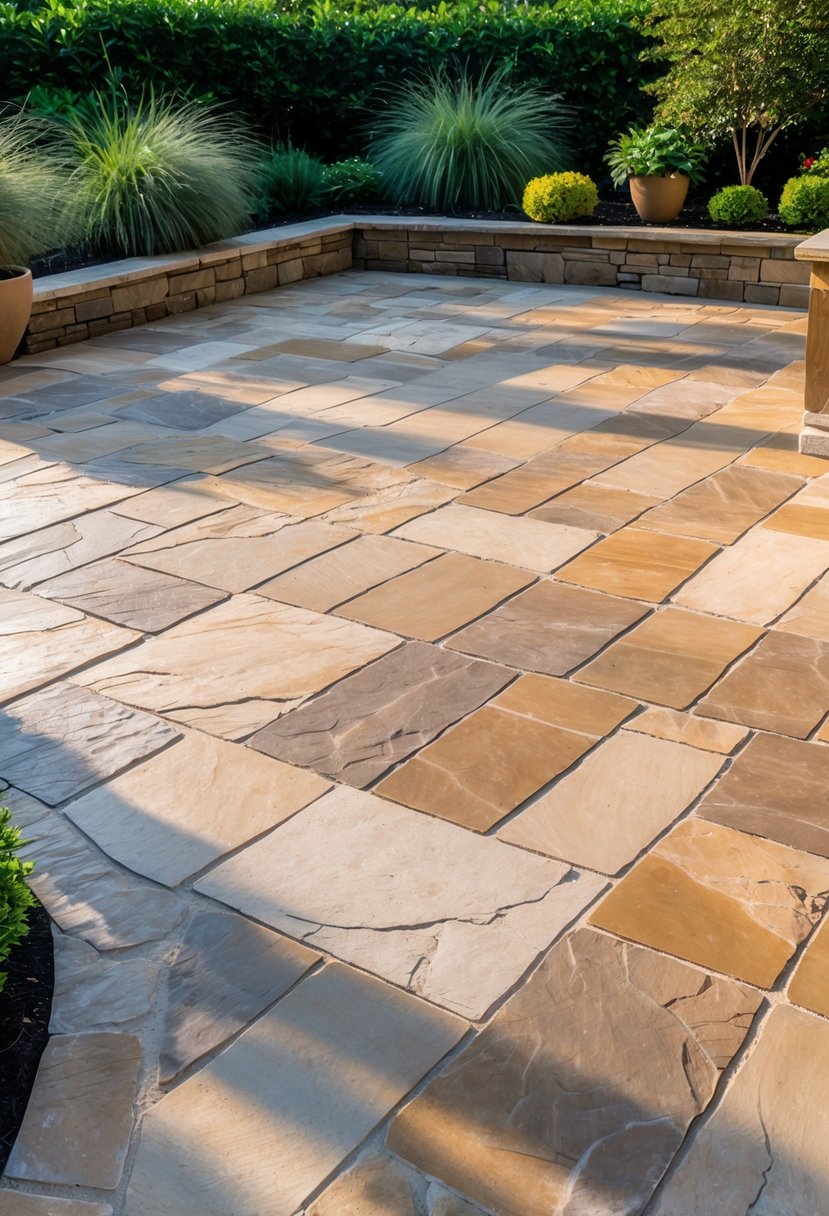
Sandstone offers warm, natural colors that blend well with outdoor settings. Its shades range from soft golds to deep rusts, creating a cozy and inviting atmosphere.
The stone has a rough surface with visible layers and natural textures. This adds character while providing a non-slip grip, making it practical for patios.
Sandstone works well with casual or rustic designs. It complements plants and natural landscaping, helping the patio feel connected to its surroundings.
Install flagstone patios with mortar for stability
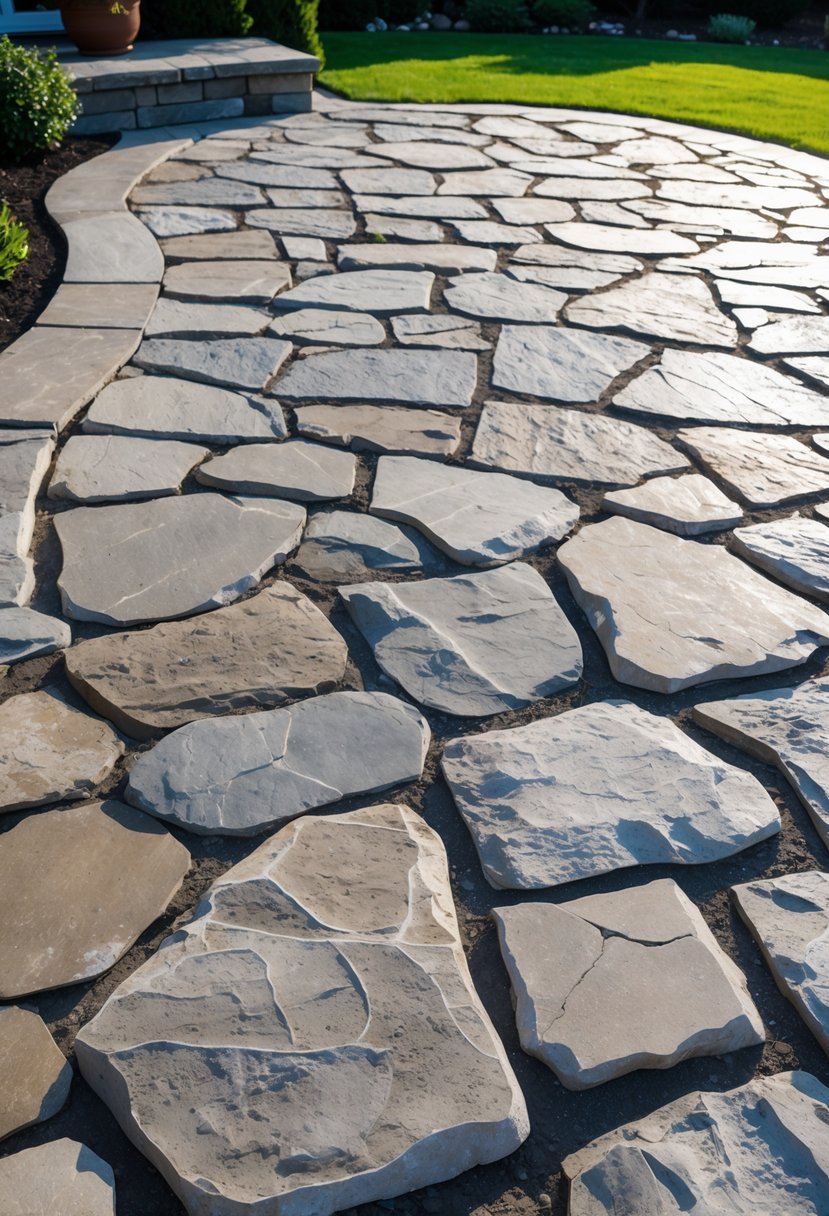
Using mortar when installing a flagstone patio adds strength and keeps the stones firmly in place. It creates a solid base that helps prevent shifting over time.
The installer spreads a layer of mortar on the prepared surface before placing each flagstone. This ensures good contact between the stone and the base.
Mixing the right mortar is important. A mix of cement and sand, with the correct water amount, provides enough stiffness to hold the stones steady.
Mortaring properly also helps protect the patio from weather damage. It increases durability and keeps the patio level for safer walking.
Create a mosaic pattern with various stone sizes
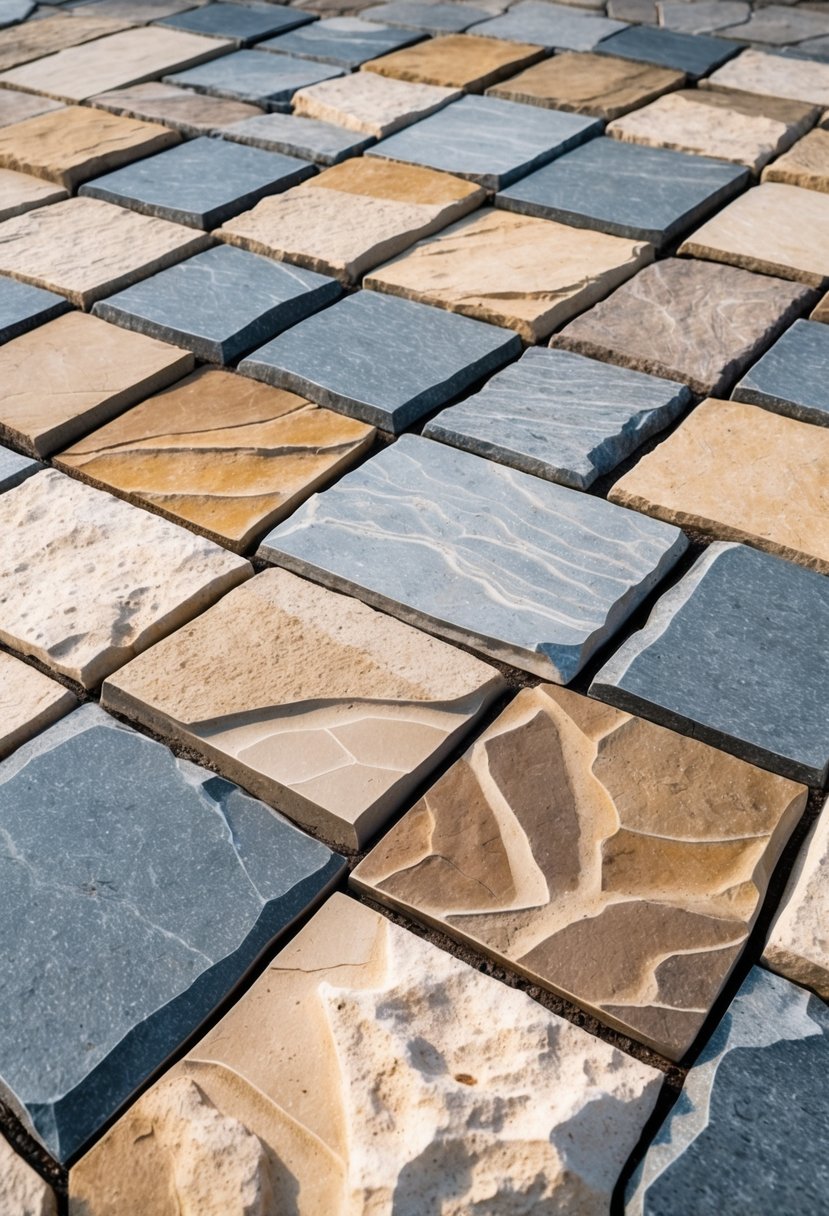
He can use different sizes of flagstone to form a mosaic pattern. Smaller stones fit between larger ones, creating a natural and interesting look.
Mixing shapes and colors adds depth and variety to the design. This approach breaks up large patio areas and gives the space a unique feel.
The stones are often set in mortar to hold the pattern firmly. This method allows for creative freedom and helps the patio look well-built and lasting.
Opt for limestone for a smooth, elegant surface
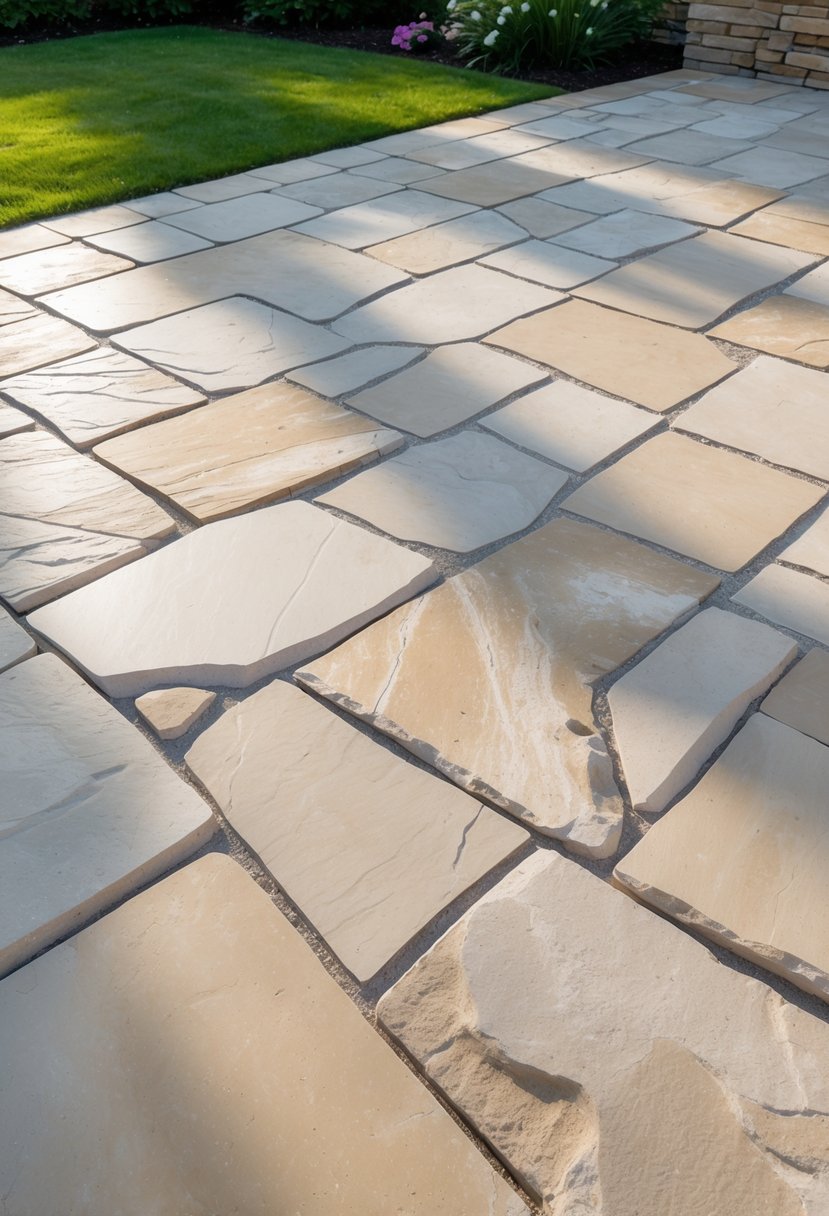
Limestone offers a smooth and elegant surface ideal for flagstone patios. It is known for its soft, muted tones that fit well in many outdoor styles.
The stone is durable and can handle weather changes without losing its appeal. It also provides a slip-resistant surface, making it safe around pools or hot tubs.
Limestone can raise the value of a home by adding a timeless, natural look. Its versatility allows it to blend with various landscape designs easily.
Incorporate a fire pit area with flagstone seating
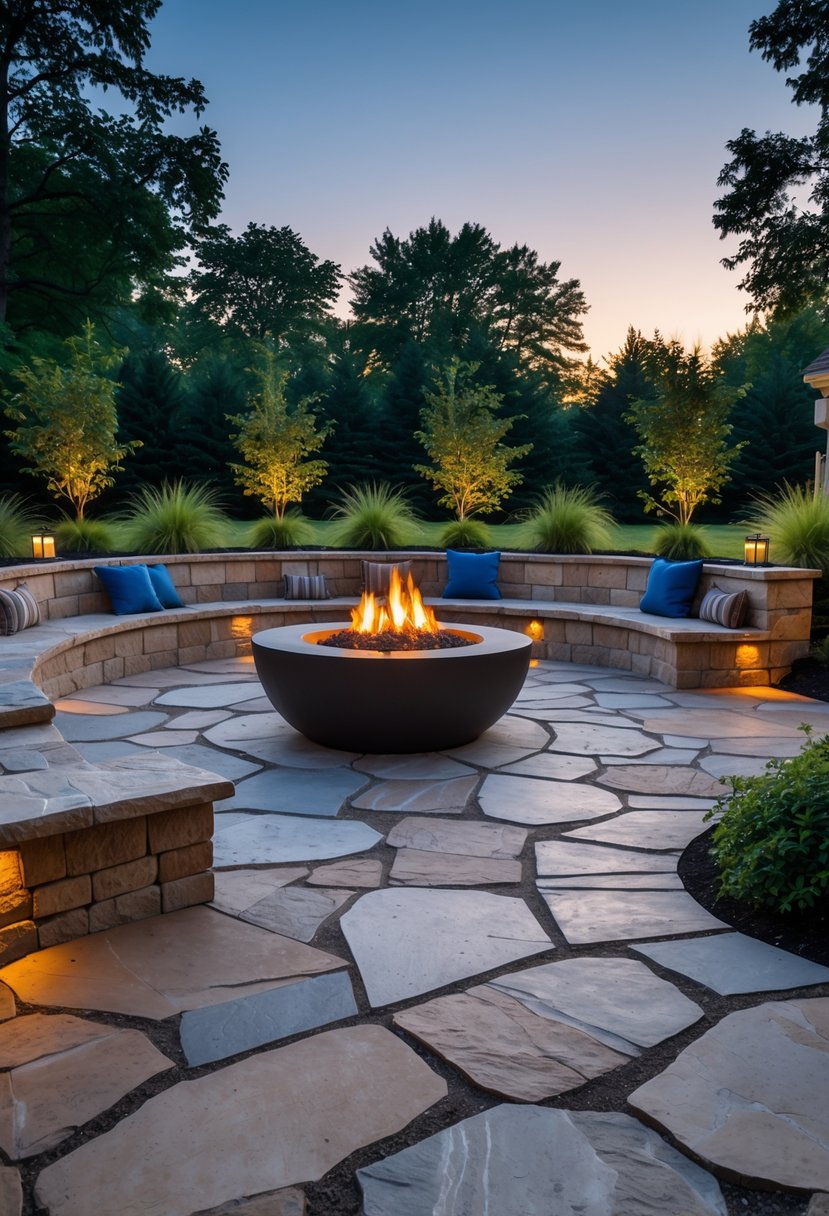
A fire pit can become the center of a flagstone patio. It offers warmth and a natural gathering spot for friends and family. Using flagstone for built-in seating around the fire pit creates a strong, cohesive look.
Flagstone seating walls are durable and blend well with the fire pit structure. These seats can be shaped in curves or straight lines to fit the patio’s design. Matching the flagstone color between the seating and fire pit helps keep the area visually balanced.
Adding subtle lighting around the fire pit and seating enhances safety and ambiance at night. The natural texture of flagstone also adds a rustic, inviting feel that fits many outdoor styles.
Add a pergola for shade and climbing plants
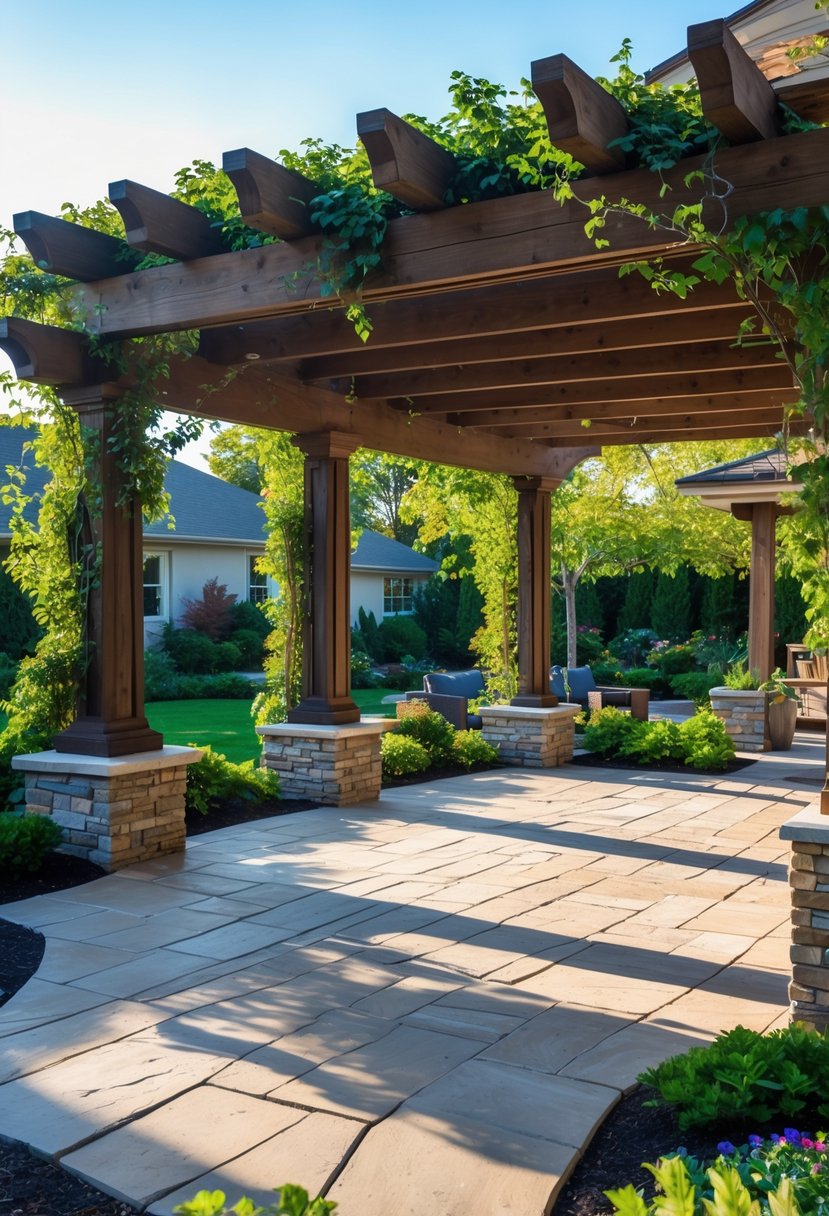
Adding a pergola over a flagstone patio provides shade during sunny days. It helps make the space more comfortable without blocking airflow or natural light.
The structure can be made of wood or metal, fitting different design styles. Climbing plants like vines can grow on the pergola, adding greenery and visual interest.
This combination enhances the patio’s look and creates a cooler environment. It also offers a place for relaxation or outdoor gatherings in a pleasant setting.
Design a curved patio edge for visual interest
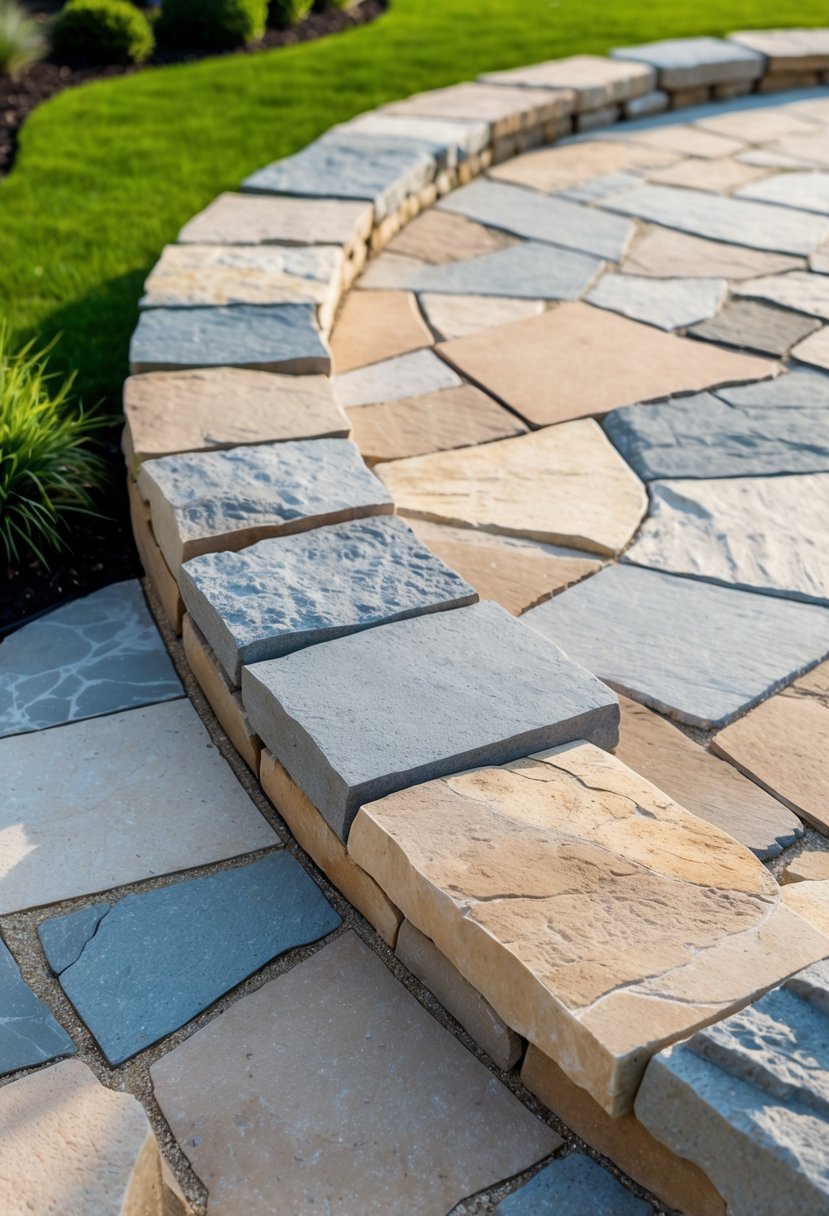
A curved patio edge adds a soft, natural look to any outdoor space. It breaks the straight lines of a yard and creates a more inviting shape.
Using flagstone with curved edges lets different shapes fit together like a puzzle. This adds texture and depth to the patio’s surface.
Curved edges also help blend the patio with surrounding plants and garden features. This design creates flow and makes the space feel larger and more connected.
Combine flagstone with gravel for drainage
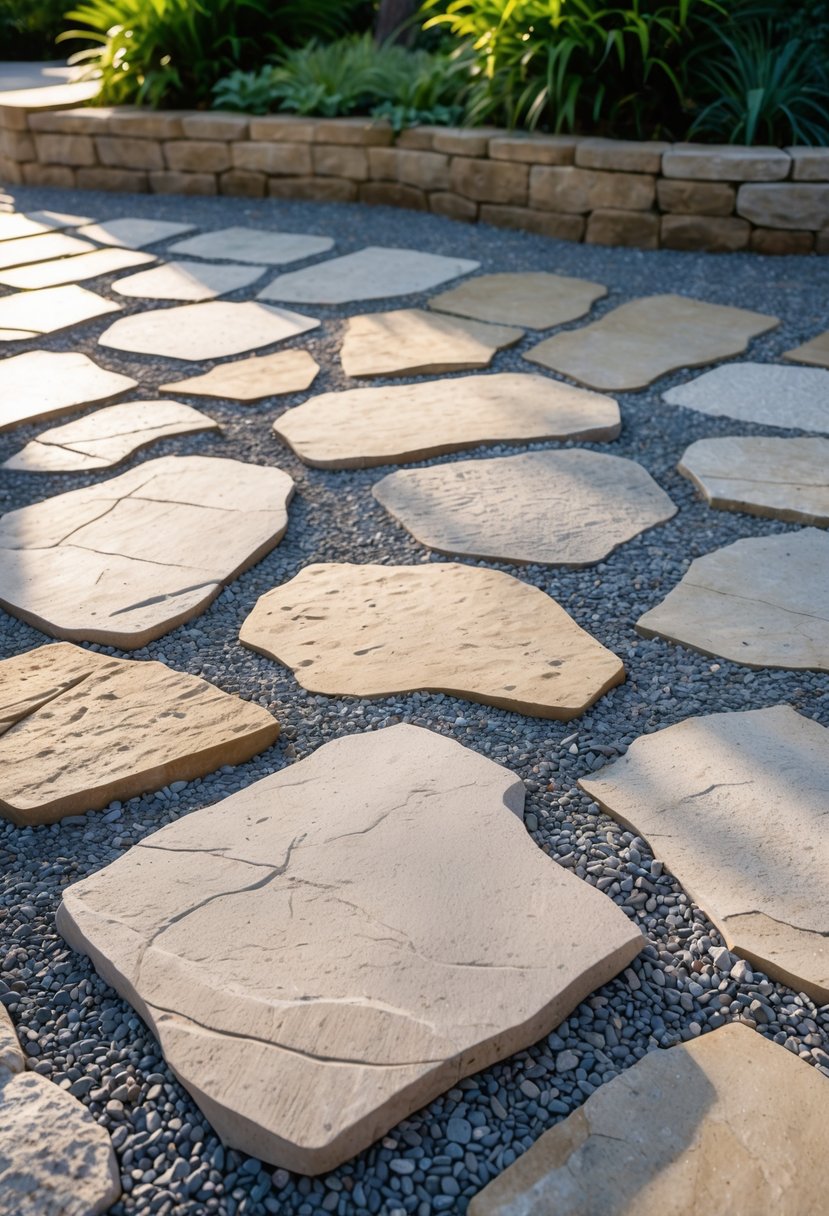
Using gravel between flagstones helps water drain away quickly. This prevents water from pooling on the surface and reduces the risk of damage to the patio over time.
Gravel also adds stability to the flagstones by filling gaps and keeping the stones in place. It creates a natural look while allowing grass or plants to grow between the stones if desired.
A proper gravel base under the flagstones improves drainage further. Compacting the gravel layer ensures the patio stays level and prevents settling that can cause uneven stones.
Use bluestone for a rich blue-gray palette
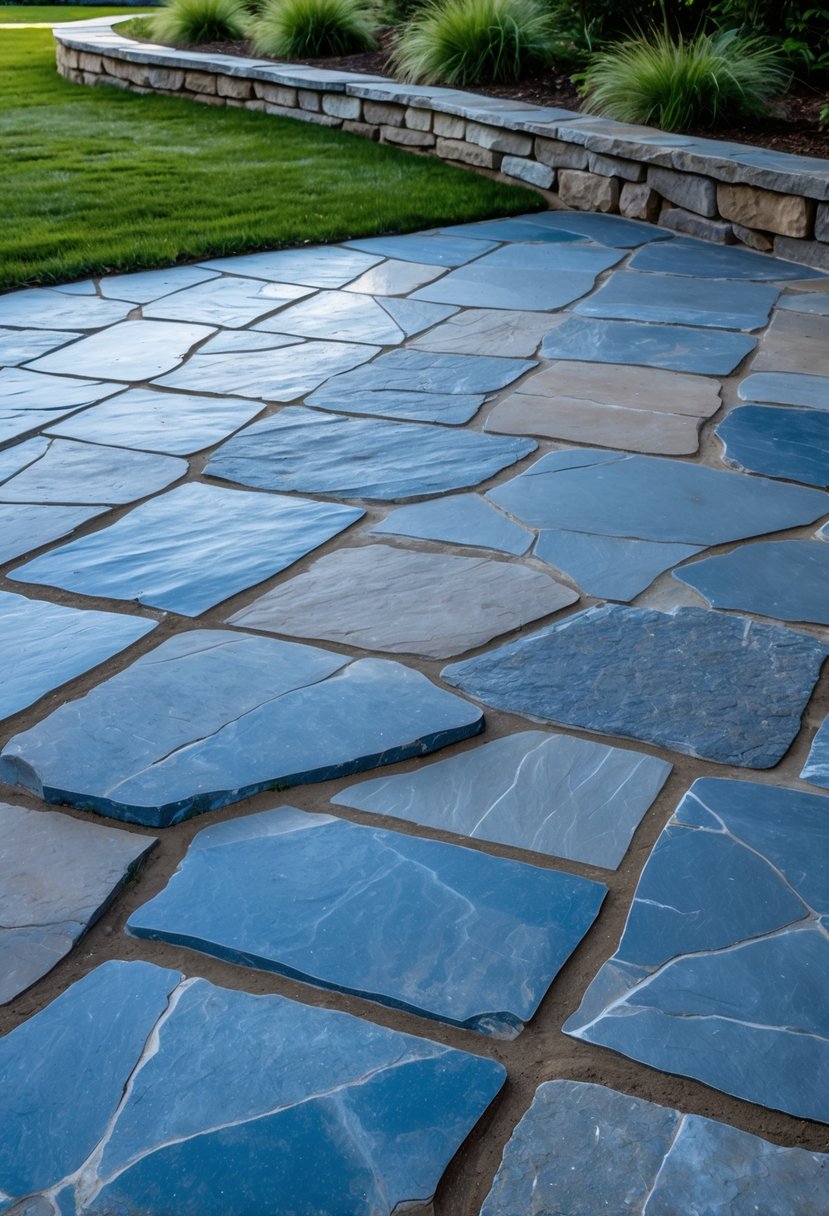
Bluestone offers a unique range of blue-gray tones that add depth and character to any patio. Its natural colors shift from deep blues to soft grays, creating a calm and elegant atmosphere.
The stone’s texture is slightly rough, which helps provide a slip-resistant surface. This makes bluestone both attractive and practical for outdoor spaces.
Bluestone is also durable, standing up well to weather and wear. It works well in various patio patterns, from geometric to irregular layouts, fitting many design styles.
Lay flagstone with sand for a dry-set patio
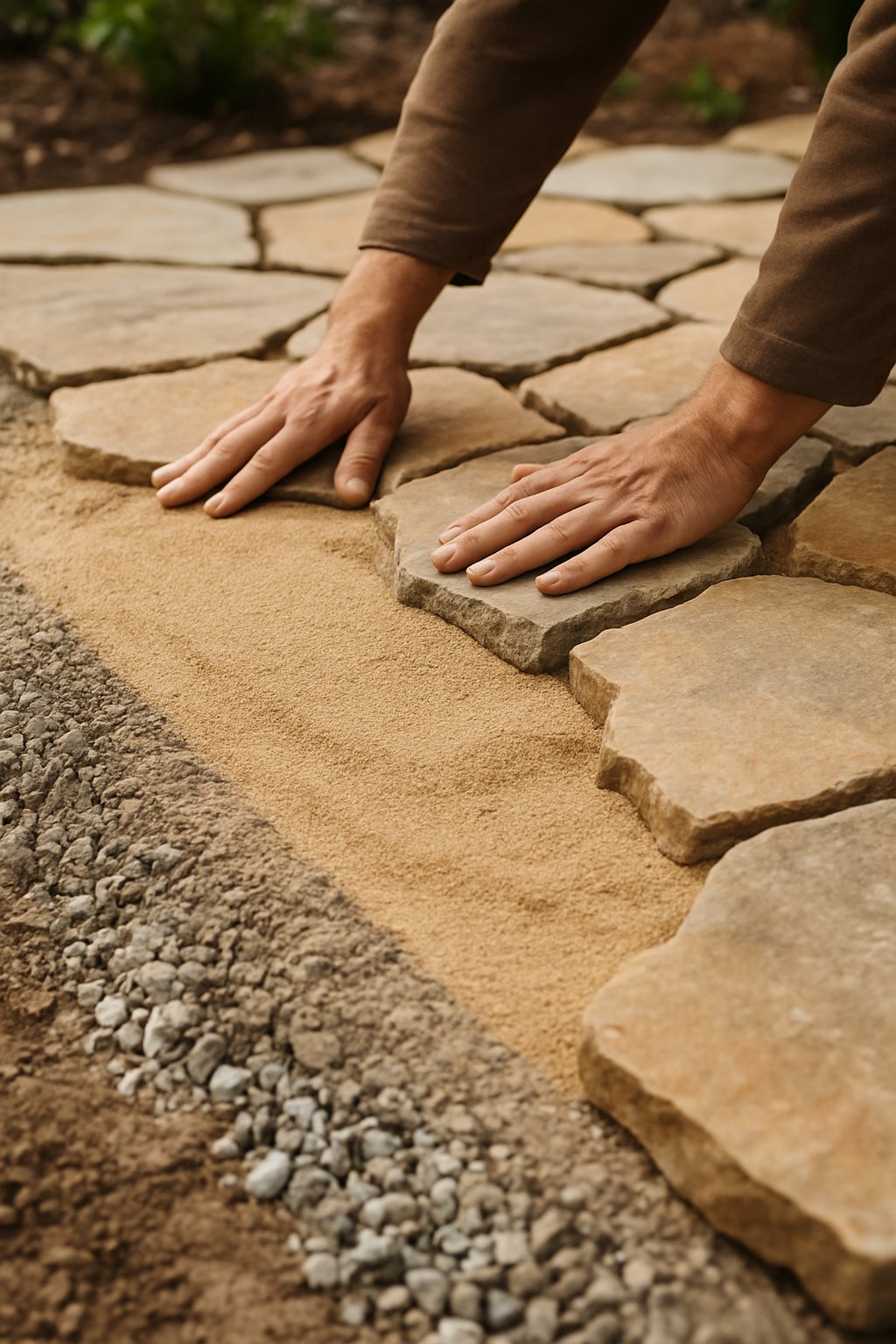
To lay flagstone using sand for a dry-set patio, start by preparing a solid base. This usually involves digging a shallow area and filling it with compacted gravel. The gravel should be at least 3 inches deep to ensure good drainage and stability.
Next, add a layer of coarse sand on top of the gravel. The sand helps level the surface and makes it easier to adjust the stones. The flagstones are then placed directly on this sandy bed without using mortar.
This method allows the stones to settle naturally and makes future repairs easier. It is also faster and less messy than using cement.
Build a walkway connecting the patio to the garden
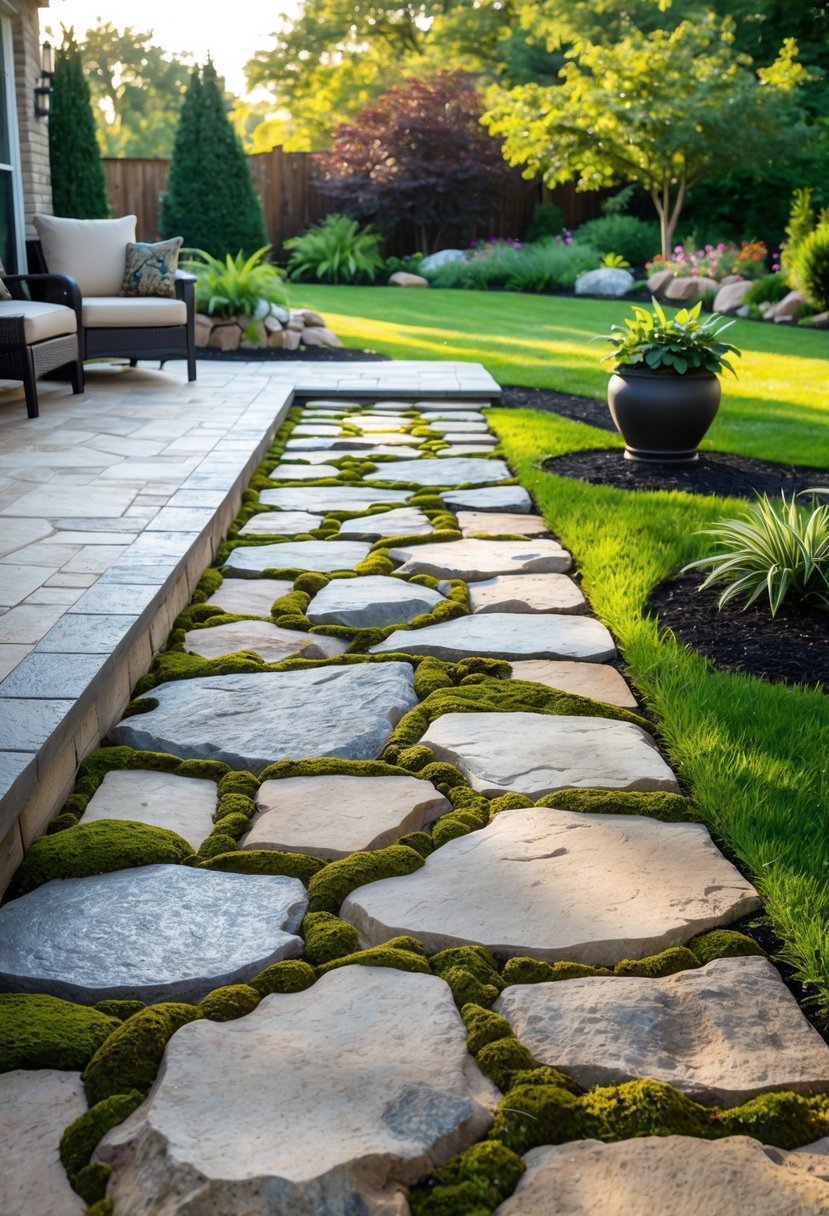
They begin by planning the path’s layout, marking a clear route between the patio and the garden. The walkway should be at least three feet wide for comfortable walking.
Next, they excavate the area, digging 4 to 6 inches deep to create a stable base. A layer of compacted gravel or sand is added to support the flagstones and prevent shifting.
They carefully place the flagstones, fitting them tightly but allowing for small gaps. Finally, they fill the gaps with sand or gravel to secure the stones and give the walkway a finished look.
Create a dining terrace with large, flat stones
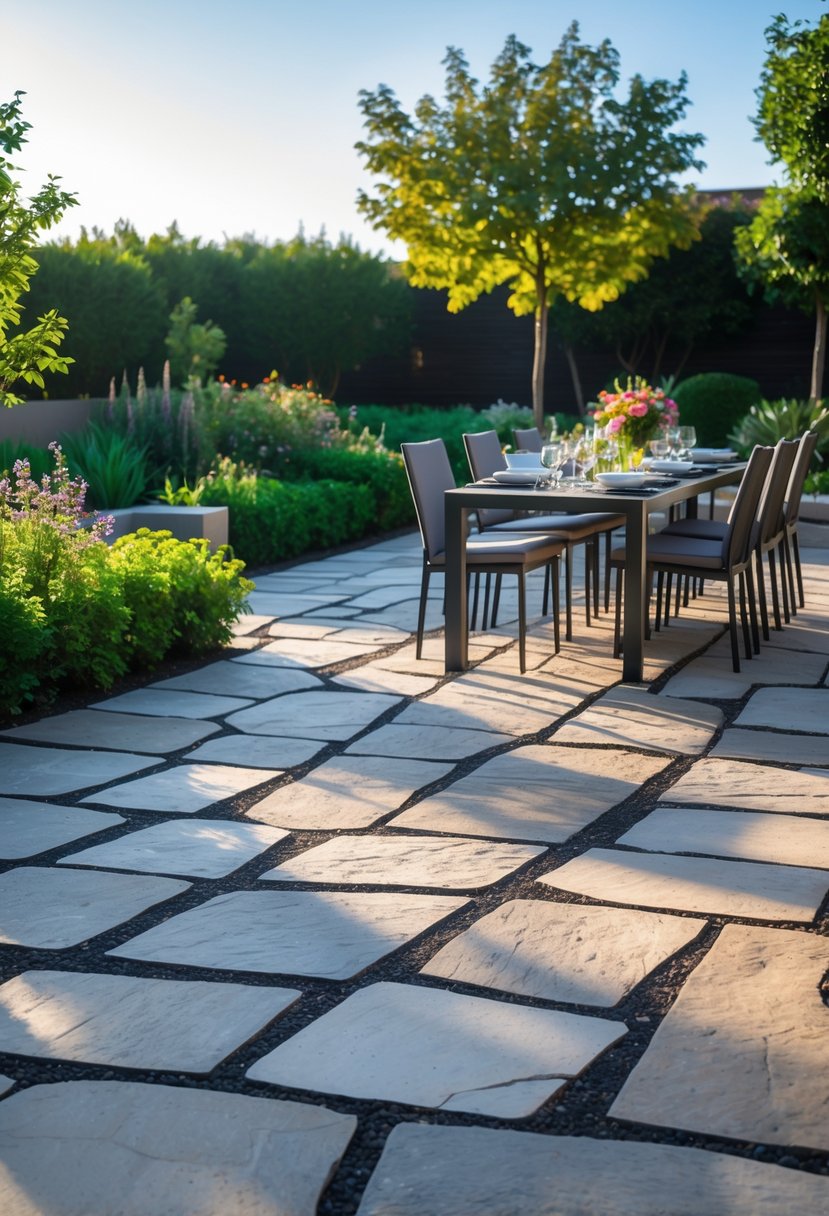
Using large, flat flagstones is a practical way to create a dining terrace outdoors. These stones provide a stable, even surface for tables and chairs.
Their natural shapes and colors add a rustic yet modern look that fits many backyard styles.
Arranging the stones close together helps prevent tripping and creates a clean, inviting space.
Adding a central stone table or placing a dining set on top completes the area for outdoor meals.
This setup is durable and low-maintenance, making it a good option for people who want a functional dining space with natural beauty.
Integrate lighting between flagstones for ambiance
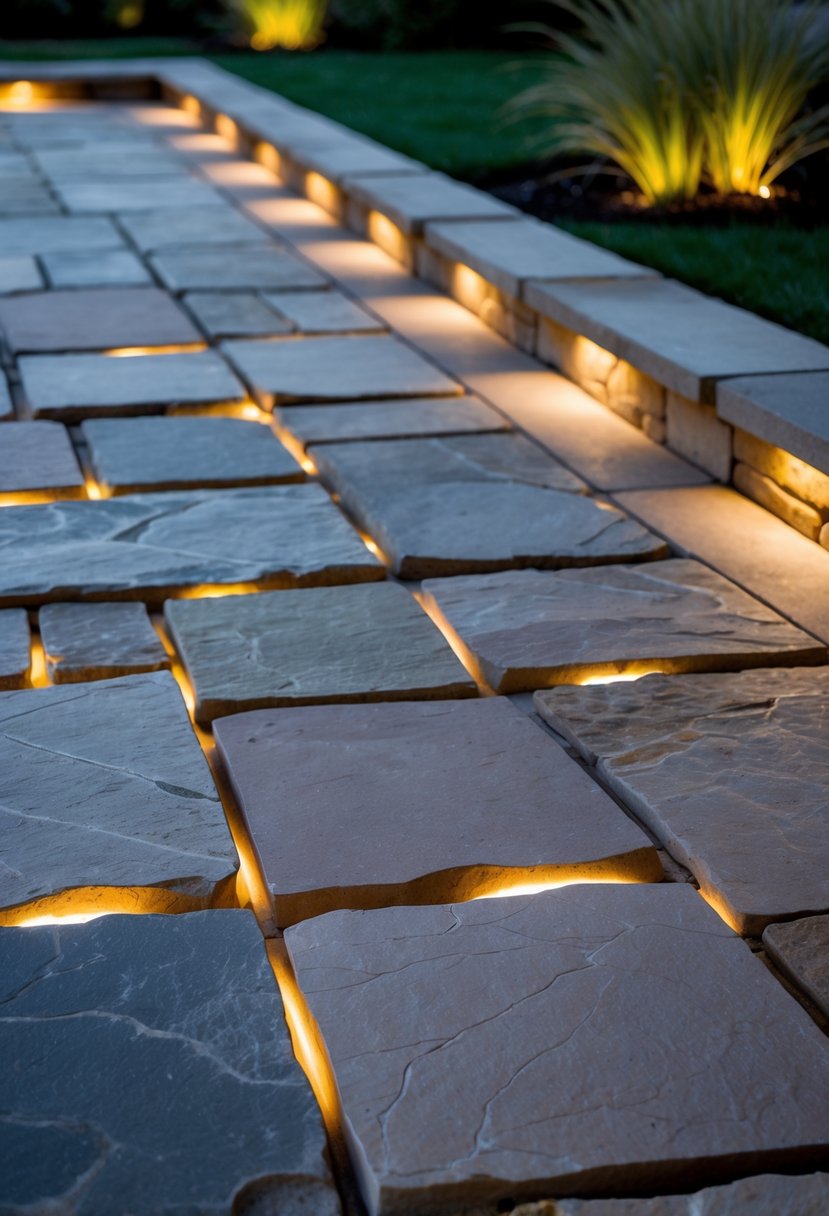
Lighting placed between flagstones enhances the patio’s look and usability. It creates a soft glow that highlights the stone’s texture and color.
This subtle light also improves safety by brightening pathways and steps. It allows the patio to be used after dark without harsh overhead lights.
Many choose low-voltage LED lights for energy efficiency and durability. These lights fit neatly between stones without disrupting the natural feel of the patio.
Strategic lighting can emphasize patterns and shapes in the flagstone layout. It adds depth and interest, making the outdoor space inviting and stylish.
Use slate for textured, slip-resistant surfaces
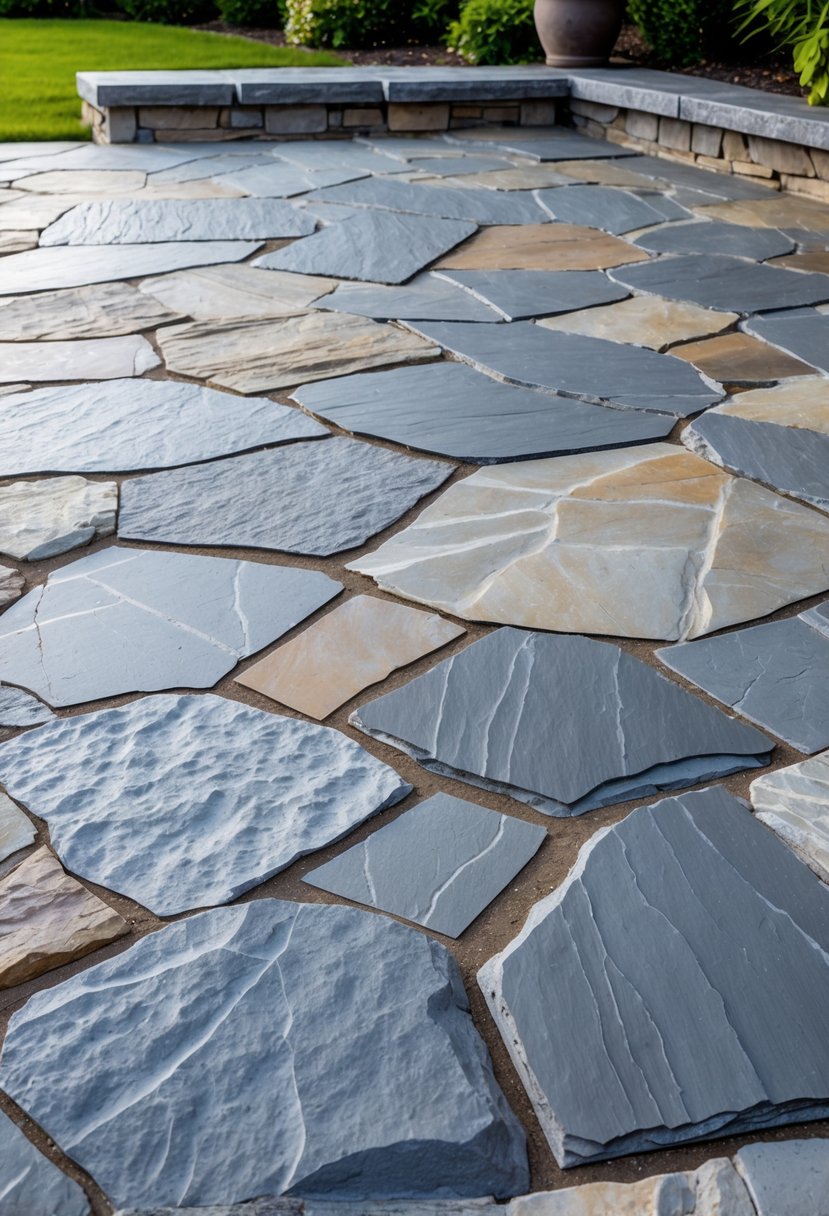
Slate is a strong, natural stone known for its textured surface. This texture helps prevent slipping, making it a good choice for outdoor patios where moisture is common.
The uneven surface of slate gives reliable traction. This reduces the chance of falls, especially in wet conditions.
Its durability means slate can handle heavy use without cracking or chipping. This makes it a practical material for patios that see regular foot traffic.
Incorporate mixed stone colors for a dynamic look
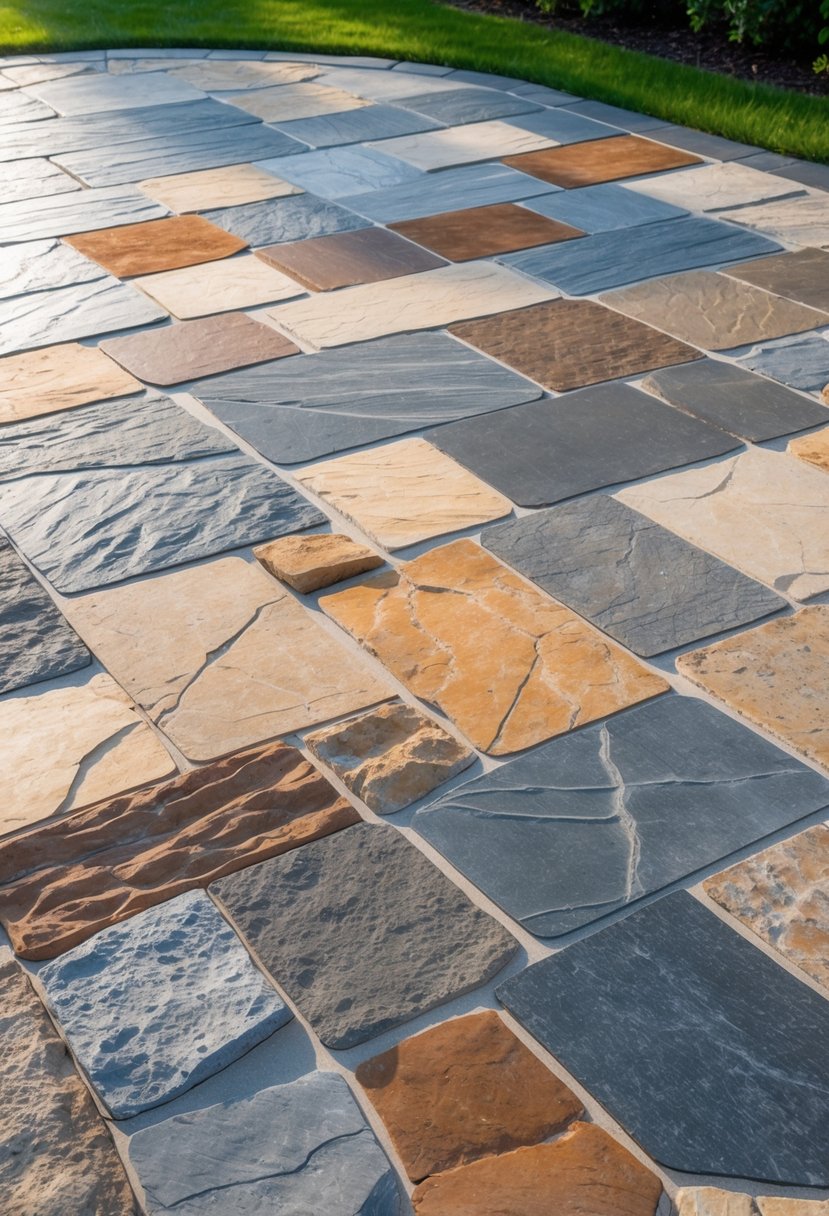
Using different colors of flagstone can add depth and interest to a patio. Mixing shades like gray, rust, and brown creates a natural, varied surface that feels less uniform.
This approach helps avoid a flat, boring appearance. It allows the patio to stand out without being too bold.
The combination of colors also works well with various backyard styles. It fits both rustic and modern designs by adding subtle contrast.
Careful selection of stone colors ensures the patio complements the home and landscape. It makes the outdoor space feel more inviting and visually appealing.
Design small conversation nooks with flagstone flooring
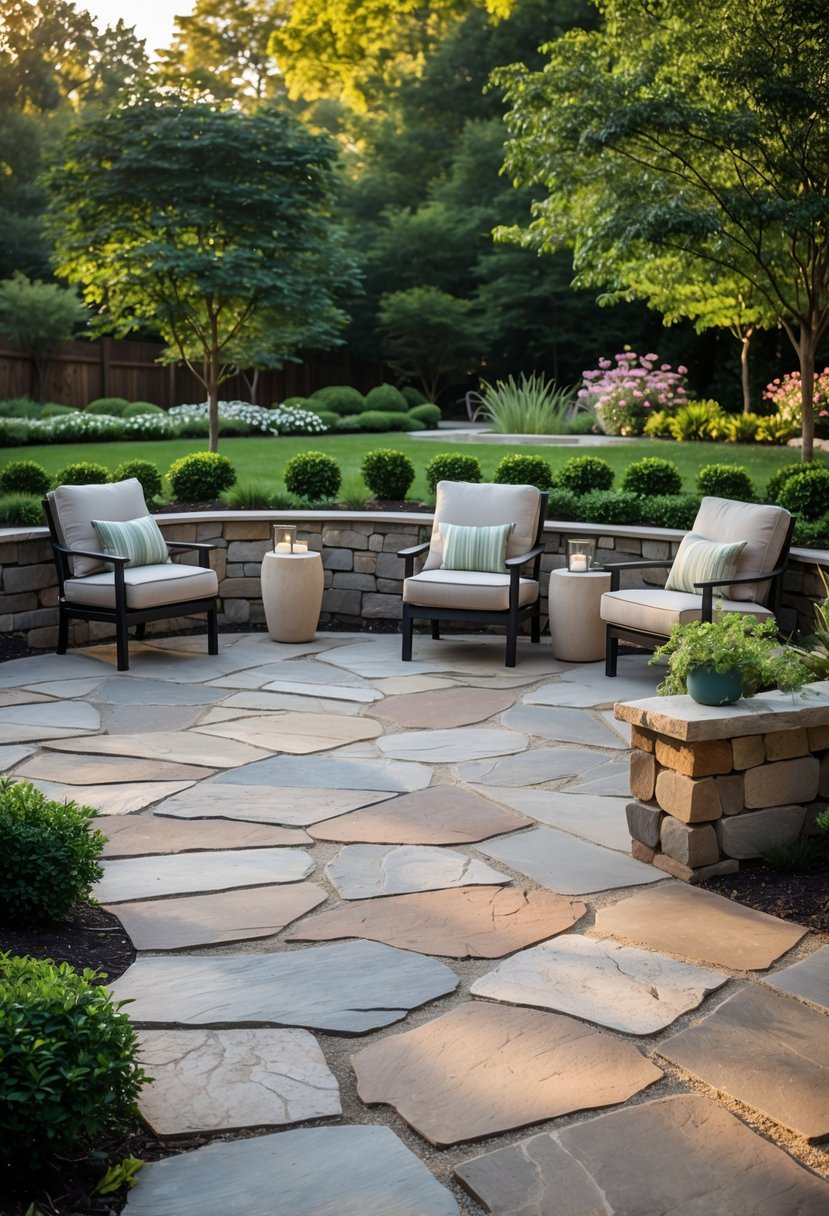
Flagstone flooring works well for creating small conversation nooks outdoors. Its natural texture adds a relaxed, inviting feel that encourages people to sit and talk.
They can arrange seating around a central feature like a fire pit or small table. Using irregular or mosaic flagstone patterns helps define the space without making it feel too formal.
The stones’ rugged look contrasts nicely with soft cushions or rugs. This mix makes the nook both comfortable and visually interesting, ideal for quiet gatherings in a compact area.
Seal flagstone to protect against stains and weather
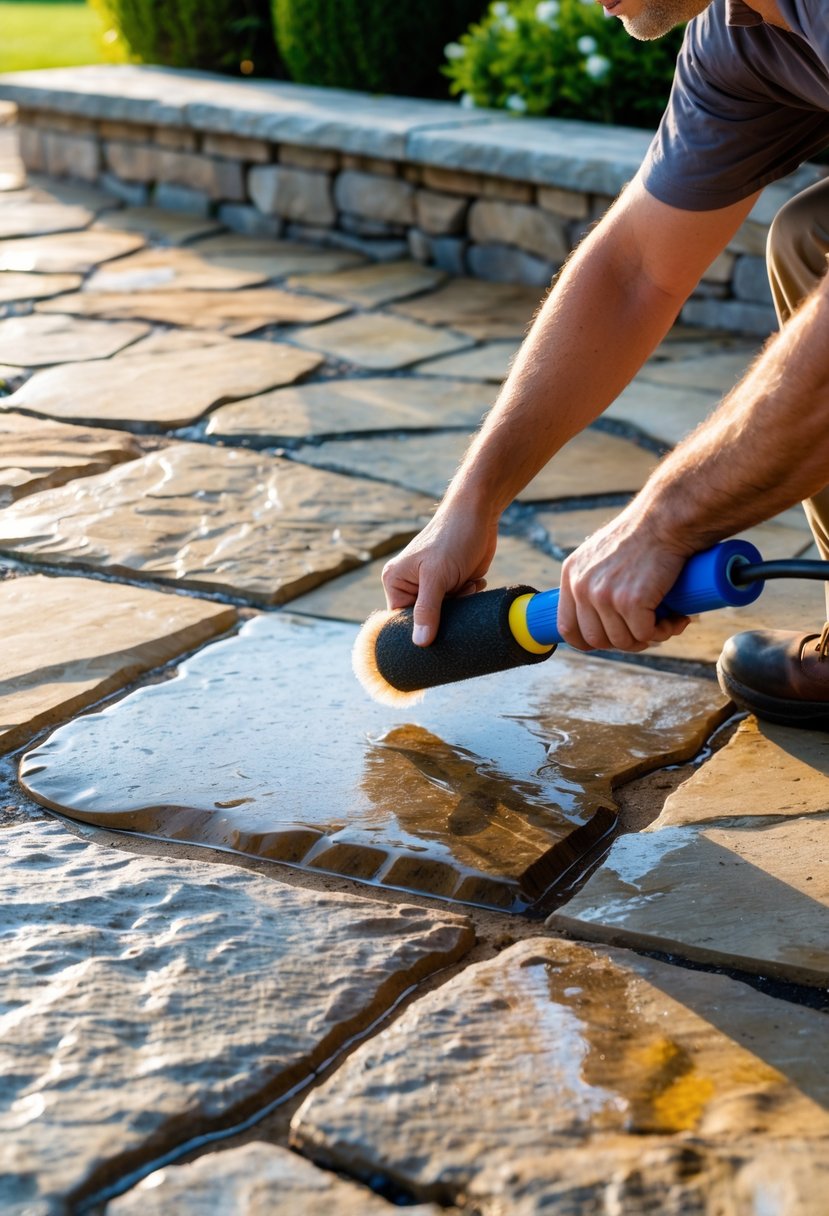
Sealing flagstone helps protect it from stains caused by spills, dirt, and organic materials. It creates a barrier that prevents liquids from soaking into the stone. This helps maintain the stone’s natural look for longer.
Sealers also guard against weather damage. They stop water from entering the stone, reducing the risk of cracking from freezing and thawing.
Different sealers offer various finishes, from matte to a wet look. Choosing the right type depends on the desired appearance and level of protection needed.
Add raised beds around the patio for greenery
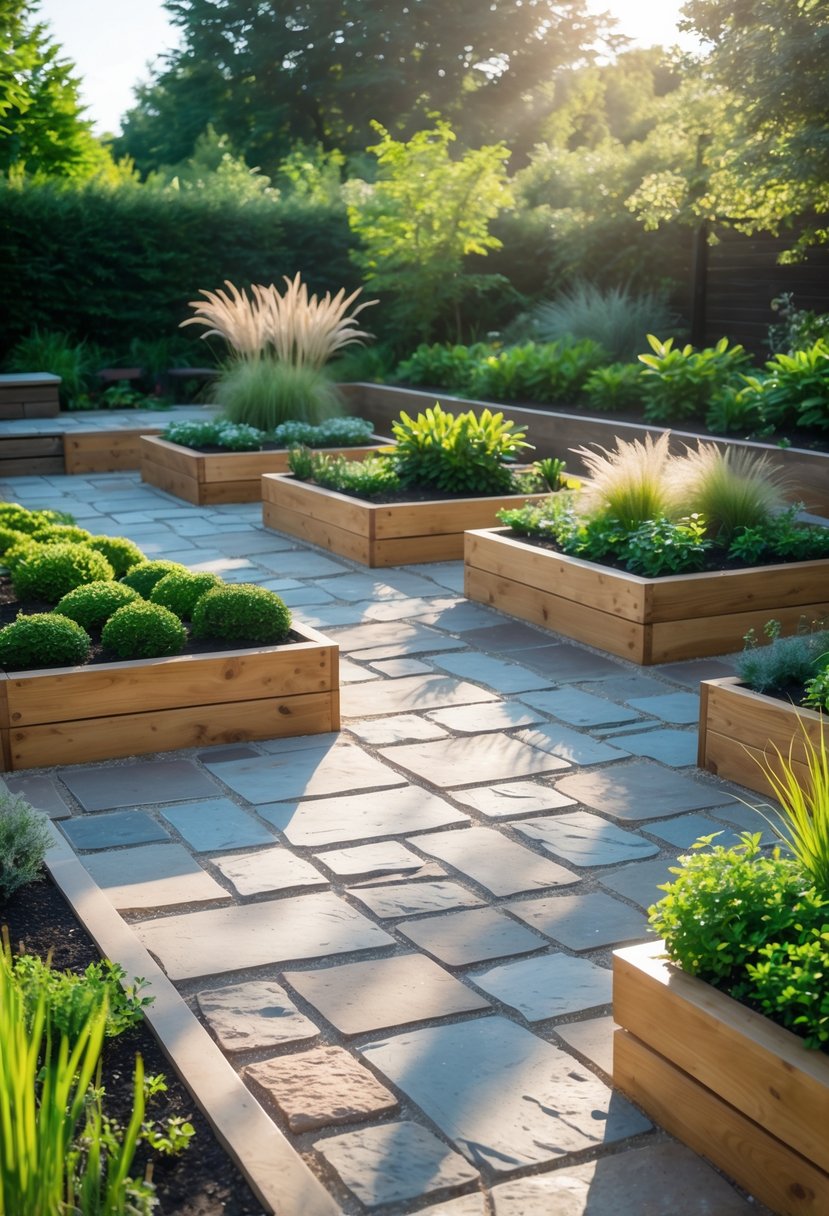
Raised beds around a flagstone patio create clear borders and add natural beauty. They help define the patio space while providing room to grow flowers, herbs, or small shrubs.
These beds improve soil quality and drainage, making it easier to care for plants. They also reduce weeds and keep plants organized.
Adding raised beds can soften the hard edges of flagstone. This makes the patio feel more inviting and connected to the garden. The mix of stone and greenery adds texture and color.
Use flagstone steps to connect patio levels
Flagstone steps help link different levels of a patio smoothly. They provide a natural look that fits well with the rest of the flagstone design.
Each step should be securely placed to avoid shifting and ensure safety. Proper leveling is important to keep the steps even and stable.
Using flagstone for steps also adds texture and visual interest. It makes moving between patio levels easier and more attractive.
Conclusion
A flagstone patio provides a durable and attractive outdoor space that fits many styles. It offers natural colors and shapes that blend well with different landscapes.
Its design flexibility allows homeowners to create looks ranging from rustic to modern. This makes flagstone suitable for various tastes and garden layouts.
Benefits to consider:
- Long-lasting material
- Low maintenance needs
- Adds value to the property
- Customizable shapes and patterns
The cost of installation varies depending on stone type and layout complexity. Proper planning helps keep the project within budget.
With the right tools and guidance, building or upgrading a flagstone patio is achievable for many. It enhances outdoor living while requiring minimal upkeep, making it a practical choice for homeowners.