8 Stunning Terrace Landscaping Ideas to Create Your Own Outdoor Paradise!
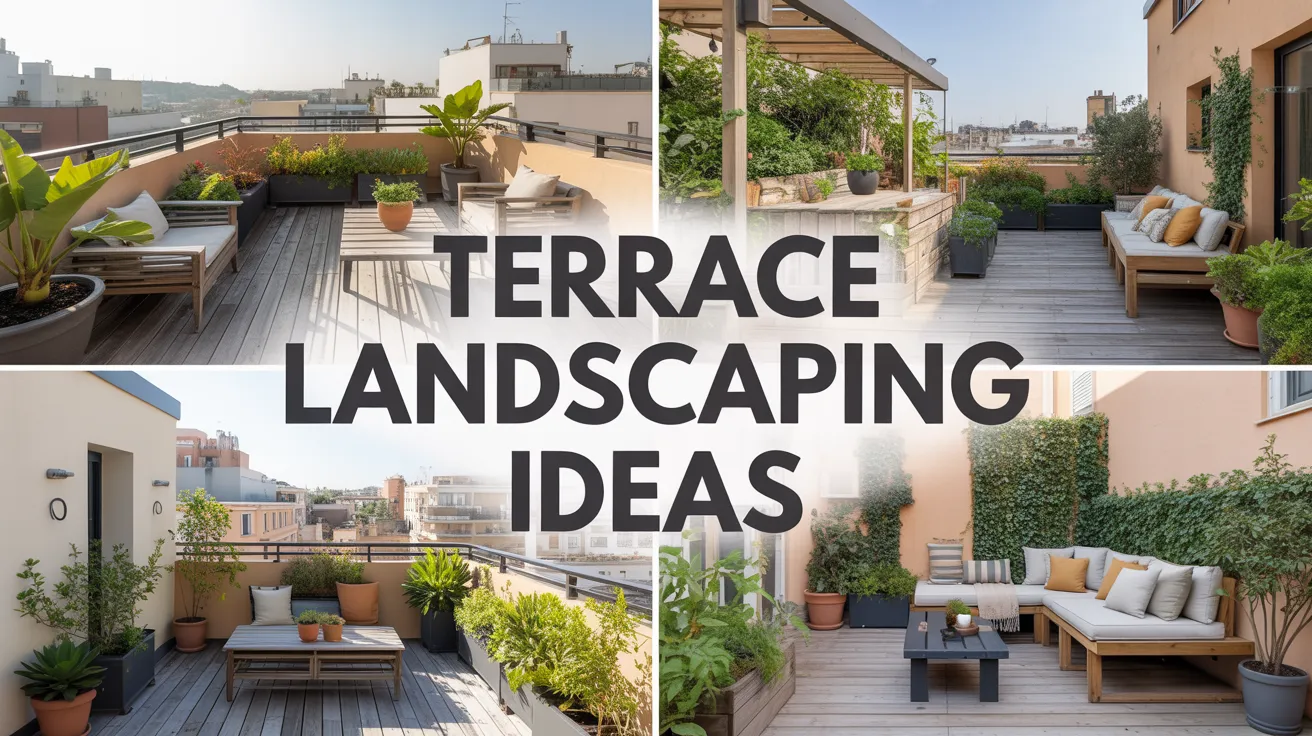
Terrace landscaping offers a practical way to turn outdoor spaces into attractive and useful areas. It can help make the most of rooftops, balconies, and sloped yards by adding greenery and design elements that fit different lifestyles and tastes.

The key benefit of terrace landscaping is that it maximizes space while enhancing the visual appeal and functionality of outdoor areas. Many people use it to create relaxing spots, grow plants, or entertain guests, no matter the size of their terrace or yard.
Multi-level planting beds using retaining walls

Retaining walls help create flat planting areas on a slope. They hold back soil and provide stable, level beds for flowers, herbs, or vegetables.
Each level offers a separate growing space, which makes gardening easier and more organized. The walls also improve drainage by slowing water flow down the slope.
Materials like stone, brick, or wood work well for building these walls. They add structure to the garden and can enhance the outdoor space‘s look.
By using multiple retaining walls, gardeners can maximize space and create a layered design that fits various planting needs.
Incorporating Mediterranean herbs in raised garden beds

Mediterranean herbs like rosemary, sage, oregano, and thyme suit raised garden beds well. These herbs thrive in sandy, well-drained soil, often found in raised beds.
Taller herbs should be placed at the back to create a natural backdrop. Smaller herbs can go in front for easy access.
Using nutrient-poor, gravelly soil helps mimic Mediterranean conditions. This supports healthy growth and reduces water needs.
Raised beds also improve drainage, which is key for these herbs. They add texture and color to terraces while offering fresh ingredients for cooking.
Installing stone steps to connect different terrace levels

Stone steps can create a strong connection between different terrace levels. They make moving between areas safer and easier.
Building these steps usually involves creating a stable base with retaining walls or compacted soil. This keeps the stones level and aligned over time.
Choosing natural stone adds a timeless look that fits well with most landscapes. Curved or straight designs can match the shape of the terraces.
Proper installation ensures durability and a clean appearance. It also helps the terraces feel like a unified space.
Adding a modern wooden deck with built-in seating

A modern wooden deck with built-in seating creates a clean, functional outdoor space. Built-in benches save room and offer plenty of places to sit without extra furniture.
Using durable materials like cedar or composite wood helps the deck withstand weather and stay attractive over time.
The design can include L-shaped or straight benches that fit the space well. Built-in seating also allows for smart storage options underneath, keeping the area tidy.
This style blends well with natural surroundings and gives the terrace a simple, stylish look. It can improve the flow and comfort of the outdoor area.
Using drought-resistant plants for low-maintenance landscaping

Drought-resistant plants are ideal for terraces that need low upkeep. These plants survive with little water, reducing the need for frequent watering.
They often thrive in poor soil, which means less need for fertilizers. This makes them cost-effective and easier to care for.
Choosing the right drought-tolerant plants can create a green space that looks good year-round. They fit well in small or sunny areas where water is limited.
In addition, these plants help save water and support environmental sustainability. They are a smart choice for anyone wanting a beautiful but low-maintenance terrace garden.
Creating a cozy fire pit area with surrounding seating

A fire pit adds warmth and focus to a terrace. It creates a natural spot for gatherings and relaxing.
Choosing comfortable seating around the fire pit is key. Chairs, benches, or built-in seats with cushions make the space inviting.
Lighting and textures can enhance the atmosphere. Soft lights and natural materials help build a cozy, outdoor retreat.
The layout should allow easy movement and safe distance from the fire. Proper spacing ensures comfort and safety for all users.
Integrating water features like small fountains

Small fountains add a peaceful sound and visual charm to a terrace. They fit well in limited spaces, making them perfect for terraces with smaller areas.
A fountain can be placed in a corner or near seating to create a calming spot. Many styles are available, from modern and minimalist to natural stone designs.
Water features like fountains also help improve the atmosphere by adding moisture and attracting birds or insects. They require little maintenance, making them easy to care for on a terrace.
Combining vegetable garden beds with ornamental plants

Combining vegetable garden beds with ornamental plants creates a balanced and attractive terrace garden. Vegetables provide fresh produce, while flowers and decorative plants add color and texture.
This mix helps maximize space and can improve plant health. Some ornamental plants attract beneficial insects that support vegetable growth. It also reduces the risk of pests by diversifying the garden.
Designers suggest arranging plants so each gets enough sunlight. Raised or terraced beds work well to separate different types of plants clearly. This approach keeps the space organized and easy to maintain.
Key Considerations for Terrace Landscaping
Terrace landscaping needs careful attention to environmental and structural details. Choosing the right plants, understanding sunlight patterns, and ensuring the terrace can support the design are all essential for a successful space.
Climate and Sunlight Factors
Terraces often receive varied sunlight depending on their location and orientation. It is important to map the sunlight throughout the day to select plants that will thrive there. South-facing terraces get the most sun, ideal for sun-loving herbs and vegetables. North-facing terraces may require shade-tolerant plants because they get less direct light.
Temperature and local climate also influence plant choices. Hot, dry climates need drought-resistant species, while cooler, humid areas support moisture-loving plants. Knowing how wind affects the terrace is crucial, as strong winds can dry out soil and stress plants. Proper watering and shelter can help protect against harsh conditions.
Weight and Structural Safety
Terraces must support the weight of soil, plants, furniture, and people without risk. Assessing the load capacity of the existing structure is critical before adding heavy materials like stone or large pots. A professional inspection can identify any weaknesses in retaining walls or foundation.
Using lightweight soil mixes and containers reduces the overall load. Adequate drainage systems prevent water buildup, which adds unwanted weight and causes damage. Reinforced retaining walls with proper materials help maintain safety and durability over time.
Plant Selection Strategies
Choosing the right plants depends on sun exposure, climate, and maintenance needs. Combining evergreen shrubs with seasonal flowers ensures year-round interest and texture. Plants with deep roots stabilize soil on terraces with slopes or retaining walls.
Low-maintenance plants like succulents or native species reduce watering and care requirements. Grouping plants by water needs simplifies irrigation. Vertical gardening or raised beds are useful for maximizing limited space on terraces while adding visual appeal and diversity.
Conclusion
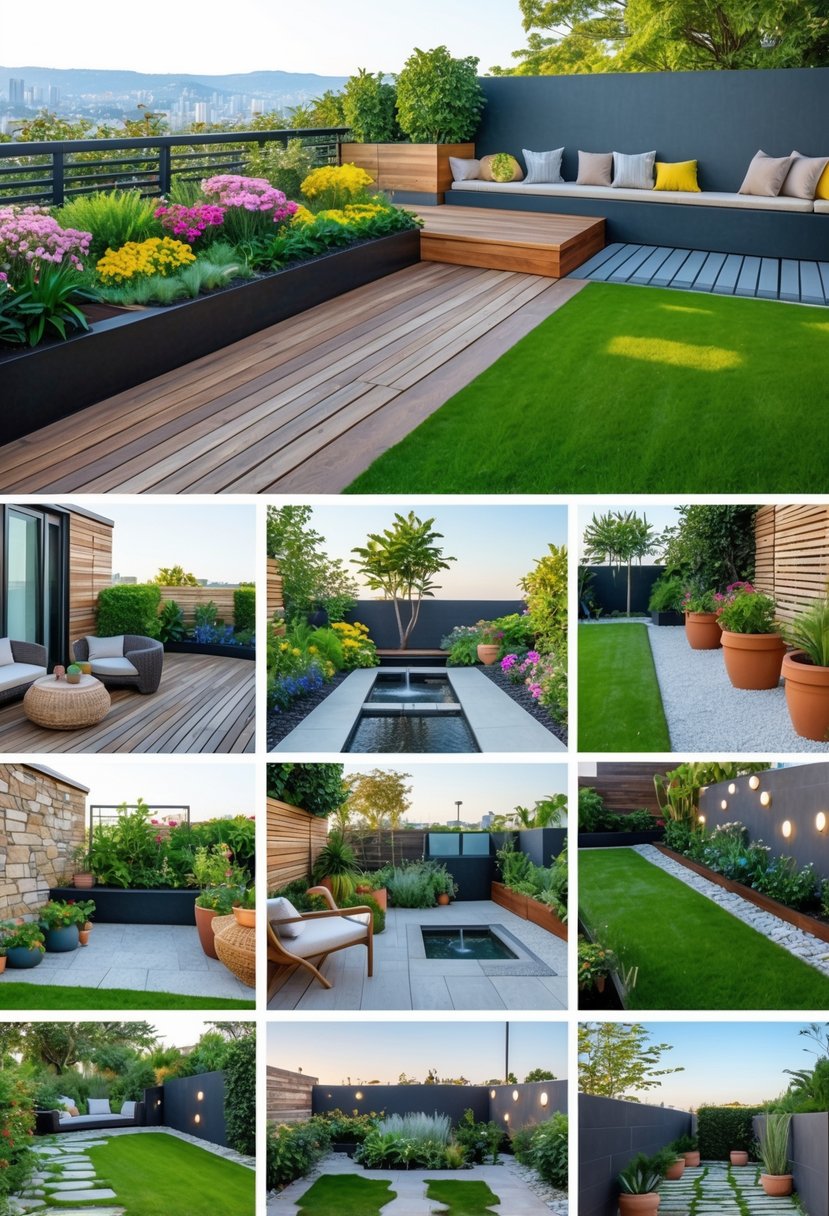
Terrace landscaping offers many ways to improve outdoor space. Adding plants, water features, or privacy elements can make the area more useful and peaceful.
Using raised beds or green walls helps maximize limited space while keeping the terrace organized. Water fountains or small pools bring calm sounds and refresh the environment.
Privacy trees or screens can block unwanted views without shrinking the terrace feel. Mixing paving and planting creates visual interest and a natural look.
Simple design choices, like balancing size and location, make a terrace feel welcoming and functional. A well-planned terrace connects the home to the outdoors effectively.
By choosing practical and attractive ideas, anyone can create a terrace that fits their lifestyle and surroundings. Small changes often bring the greatest benefits in comfort and style.