
10 Creative Patio Edging Ideas to Define Your Backyard in Style
Patio edging plays an important role in defining outdoor spaces and giving a clean, polished look to gardens and patios. It creates clear boundaries between different areas, like flower beds and walkways, making the space easier to maintain and visually organized.

Choosing the right patio edging can improve both the style and function of an outdoor area, helping it look well-designed and neat. There are many options to suit different tastes and budgets, allowing homeowners to enhance their patios with materials and styles that fit their environment.
Brick border edging for a classic look

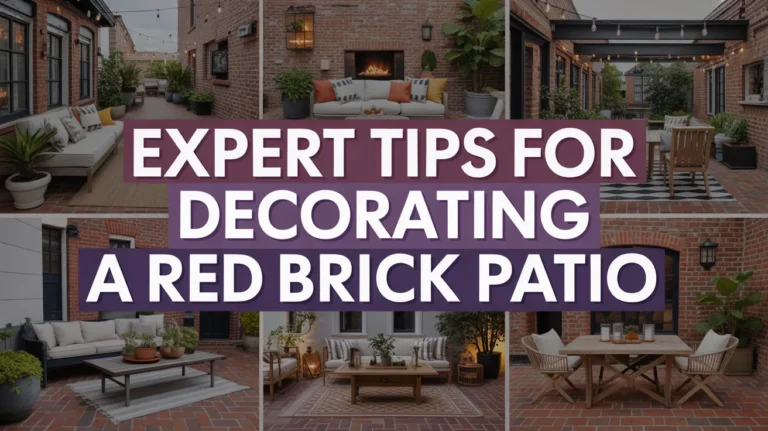
Brick borders create a clean, timeless edge for patios. They help define the space and give it a polished appearance.
Using traditional red bricks is a popular choice. These bricks are durable and easy to install.
They work well in straight lines or gentle curves. This flexibility allows a classic look that fits many styles.
Brick edging also keeps mulch and plants from spilling onto the patio. It adds both function and style without being flashy.
Natural stone edging for rustic charm

Natural stone edging adds a simple, earthy feel to any patio. It blends well with outdoor spaces and creates a clear boundary without looking artificial.
Materials like flagstone, sandstone, or river rocks work well for this style. They offer durability and a natural look that lasts over time.
This type of edging suits gardens with plants, pathways, or seating areas. It enhances a rustic design while being low maintenance and sturdy.
Wooden timber edging for warmth

Wooden timber edging brings a natural, warm look to any patio. It blends well with plants and outdoor features, creating a cozy atmosphere.
Timber is durable and offers a balance between cost and style. It can withstand weather better than plastic and usually costs less than stone.
Different wood types and sizes allow for many design options. The grain and color add texture that matches both modern and rustic patios.
Proper installation with weather-resistant fasteners helps timber edging last for years. This makes it a practical and attractive choice for outdoor spaces.
Metal strip edging for a modern finish

Metal strip edging provides a clean and sharp border that suits modern patios. Its slim profile helps define spaces without overpowering the design.
This type of edging works well with gravel, stone, or concrete surfaces. It creates a clear, crisp line that adds structure to the patio area.
Metal edging is durable and low-maintenance. It resists weather and stays effective for years with minimal care. It offers a sleek, contemporary look that fits many outdoor styles.
Gravel edging to enhance drainage

Gravel edging helps water drain away from patios, reducing puddles and soil erosion. A thin border of gravel creates a natural path for rainwater to flow, keeping the area dry.
This kind of edging can be combined with drainage channels or grids to improve water control. It also prevents runoff from damaging nearby plants or structures.
Gravel is versatile and easy to install. It allows water to pass through while holding the edge of the patio in place. This makes it both practical and effective for managing drainage.
Concrete curb edging for durability

Concrete curb edging is a strong option for defining patio spaces. It offers stability and holds up well over time, even in different weather conditions.
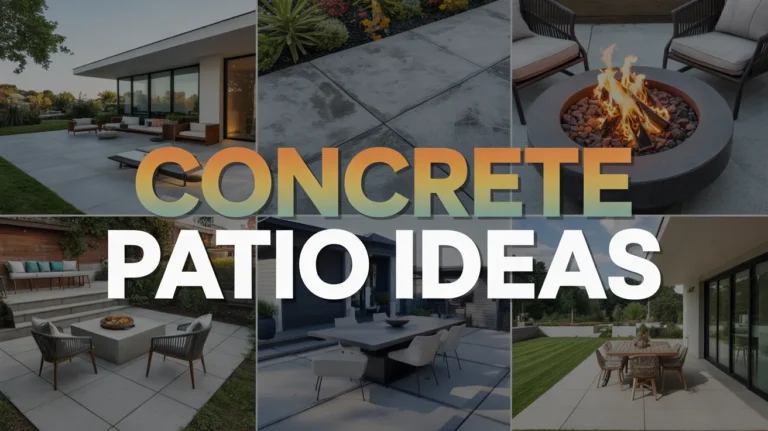
This type of edging creates clean, sharp lines that give patios a polished look. It can help control erosion by keeping soil and mulch in place.
While concrete is durable, it can crack if the ground shifts. Proper installation with small scored sections helps reduce cracking. This makes it a practical choice for long-lasting patio borders.
Cobblestone borders for vintage style

Cobblestone borders bring a timeless look to patios. Their rounded, irregular shapes create a natural, old-fashioned feel.
Using cobblestones as edging helps define the patio space clearly. It also keeps the stones in place, preventing shifts over time.
Pairing cobblestone edges with brick borders adds color contrast and a classic touch. This combination suits vintage or rustic outdoor spaces well.
The uneven surface of cobblestones offers good drainage and slip resistance. This makes them both practical and stylish for vintage patio designs.
Multilevel edging with stacked bricks

Multilevel edging uses stacked bricks to create height and depth around a patio. This method adds a clear boundary while giving extra visual interest.
The bricks can be arranged in straight or curved lines. Stacking allows for small retaining walls that hold soil or plants.
This style is durable and easy to maintain. It offers a neat, organized look that fits many outdoor designs.
Recycled rubber edging for eco-friendliness

Recycled rubber edging is made from old tires and other rubber products. This makes it a good choice for those who want to reduce waste and protect the environment.
It is durable and flexible, able to withstand different weather conditions without cracking. This means it lasts a long time with little upkeep.
The material is also easy to install and clean. It comes in various earth tones, allowing it to blend well with many patio styles while being environmentally responsible.
Mixed material edging for visual interest

Using different materials together creates a unique patio border. Combining stone, wood, and metal can add texture and depth to the space.
This approach allows for a balance between natural and modern looks. For example, metal edging contrasts well with soft plants and wooden accents.
Mixed materials also help define patio areas clearly. They offer flexibility in design while making the outdoor space more visually appealing without being too busy.
How to Choose the Right Patio Edging for Your Space

Choosing the right patio edging involves considering both style and function. The edging should complement the patio’s design while also serving practical purposes like safety and durability. These factors help create a balanced and well-defined outdoor space.
Matching Patio Styles
The edging material and design should match the overall style of the patio. For example, natural stone works well with rustic or traditional patios, while sleek metal or concrete edging suits modern designs. Wood can offer a warm, casual look for cottage-style or casual patios.
Color and texture are also important. Neutral colors like gray or beige blend with most patios. Bold colors or patterns can highlight the patio but should not clash with pavers or surrounding landscaping. Choosing edges in a similar material or tone creates a seamless, polished appearance.
Enhancing Functionality and Safety
A good patio edging keeps materials like gravel or mulch separate from the paved area. It can prevent shifting or spillover that causes uneven surfaces or tripping hazards. Durable materials like stone or brick provide strong borders that last in different weather conditions.
Safety is key. Edging should be flush with the patio surface or have smooth edges to avoid trips and falls. Consider how much foot traffic the area gets and if children or elderly will use the space. Functional edging can also help with drainage, avoiding water pooling near the patio.
Conclusion

Patio edging helps define and enhance outdoor spaces. It adds structure while improving the look and function of a patio.
Choosing the right material depends on style, budget, and maintenance needs. Options include stone, brick, wood, concrete, and metal. Each offers a unique finish and durability.
Simple edges suit modern patios, while curved or raised designs fit rustic or natural gardens. Mixing materials can create visual interest and complement landscape features.
A well-defined border can also control erosion and keep mulch or gravel in place. It helps separate garden beds from seating areas.
Homeowners should consider practical factors like climate and installation effort. Some ideas are easy to do yourself, while others may need professional help.
Key points to remember:
- Match edging material to patio style and surrounding garden
- Use edging to improve both appearance and function
- Think about budget and long-term upkeep
- Experiment with shapes and heights for a custom look
With smart choices, patio edging can transform an outdoor space into a polished, inviting area. It combines form and function for a well-planned garden or patio design.